Best Year 4Runner to Buy Used (5th Generation)
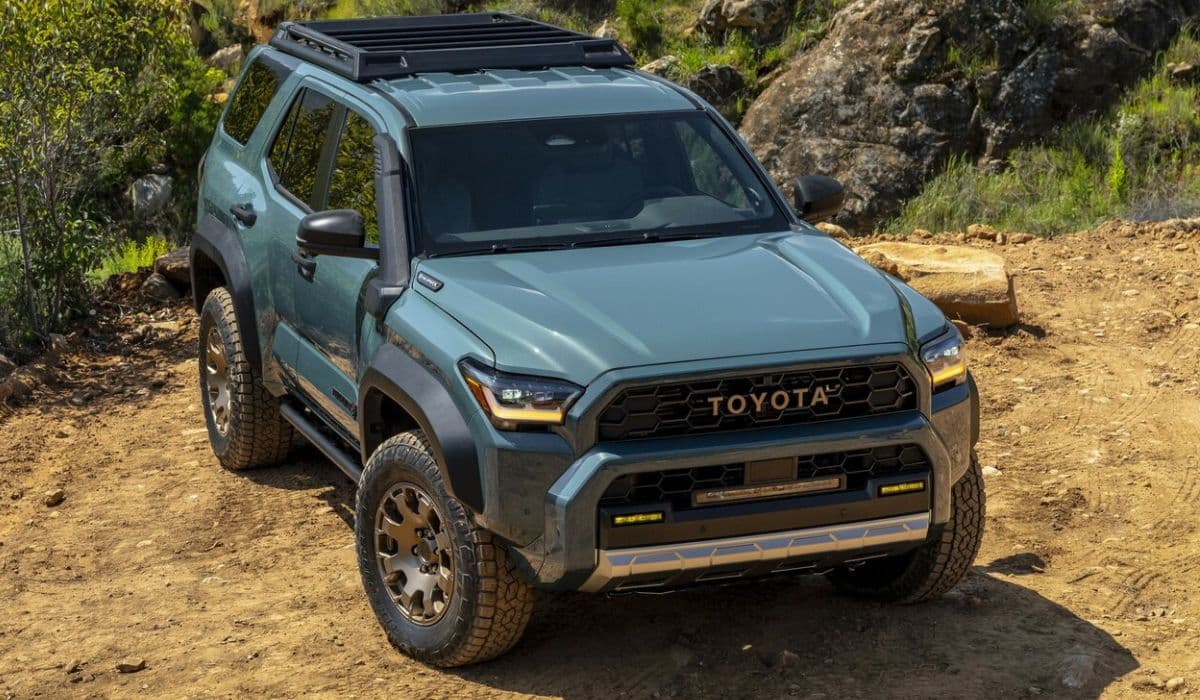
The Toyota 4Runner 5th generation (N280) ran from the 2010 model year through 2024 and remains one of the most bulletproof, body-on-frame, true SUVs you can buy used. Unlike most modern crossovers, every single 5th-gen 4Runner kept the same proven 4.0L 1GR-FE V6, the same 5-speed automatic, and the same legendary off-road hardware options (SR5, Trail/TRD Off-Road, TRD Pro, Limited, Nightshade). Because reliability barely changes across the run, the “best” used 5th-gen 4Runner comes down to features, minor updates, off-road capability, price depreciation curve, and avoiding a couple of very specific early issues.
Why the 5th Generation Is Still the Gold Standard in Used SUVs
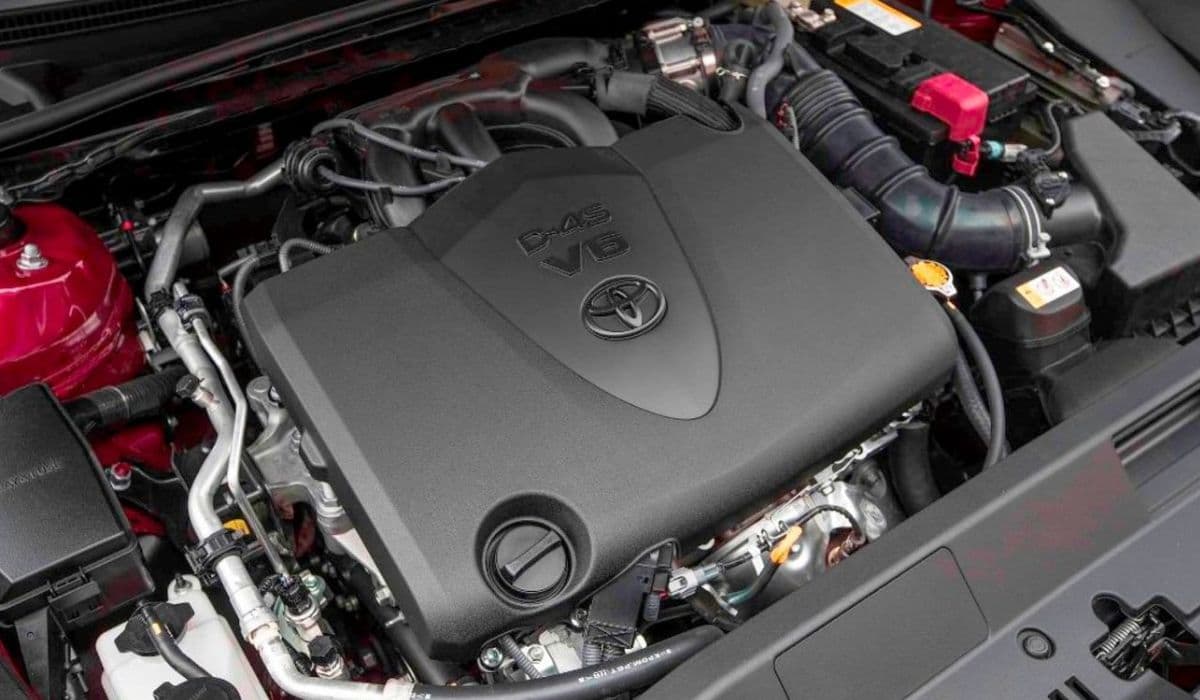
Every single 5th-gen 4Runner uses the same 270 hp / 278 lb-ft dual-VVT-i 4.0L V6 that Toyota has refined since 2003. Real-world fuel economy hovers consistently between 16–19 mpg regardless of year. The 5-speed A750F automatic is shared with the Lexus GX, Land Cruiser Prado, FJ Cruiser, and Tacoma — parts are cheap and the transmission routinely lasts 300,000+ miles. Transfer cases (full-time 4WD on Limited, part-time on everything else) and rear differentials are equally overbuilt.
Toyota sold over 1.5 million 5th-gen 4Runners in the U.S., so the used market is huge, rust is rare (except in extreme Salt Belt cars), and resale value stays absurdly high. A clean 150,000-mile example still brings 60–70 % of its original MSRP.
The One Year You Should Probably Skip: 2010
The very first year of any new generation usually has teething issues, and 2010 is no exception. Common complaints:
Head gasket seepage around 100–140 k miles (fixed under an extended warranty, but many owners paid out of pocket later)
Excessive secondary air injection system failures causing P244x codes (expensive if not covered)
Early “dashed” design dashboard that cracked badly in sun-exposed states
Slightly weaker front brake rotors that warped faster
If you find a documented 2010 with the head gasket and air injection already done, it’s fine, but there just better years for the money.
Sweet-Spot Years Most Experts Recommend: 2014–2016
After the 2014 facelift, Toyota finally fixed almost everything that annoyed early owners:
New front fascia, headlights, and taillights (much better looking to most buyers)
Entune infotainment with usable touchscreen and backup camera standard
Revised dashboard materials that don’t crack
Stiffer frame cross-bracing for better on-road manners
Improved sound deadening
2014–2016 SR5 and Trail models also got the 3rd-row seat delete option, which gives you a huge flat cargo floor and slightly better departure angle. Depreciation hits the floor around 130–180 k miles on these years, making them the cheapest high-quality 5th-gens you can buy right now.
The Hidden Gem: 2017–2019 TRD Off-Road (Non-Pro)
Most people chase the TRD Pro because of the fox shocks and roof basket, but the regular TRD Off-Road in these years is 90 % as capable for thousands less:
Same locking rear differential
Crawl Control
Multi-Terrain Select
ATRAC (active traction control) that works amazingly well
Standard part-time 4WD with 2-speed transfer case
2017+ models also added Toyota Safety Sense-P (pre-collision braking, lane departure alert, radar cruise) across the entire lineup — a big deal if you do highway miles.
Peak Features and Looks: 2020–2023 Model Years
Toyota gave the 5th-gen its final major refresh in 2020:
Apple CarPlay & Android Auto finally added
8-inch touchscreen standard
Power driver seat on SR5
LED low-beam headlights and fog lights standard
New TRD Pro color every year (Lunar Rock 2021, Lime Rush 2022, Solar Octane 2023)
Ventilated front seats on Limited and TRD Pro
2023 40th Anniversary Special Edition stripes and bronze wheels
These late models also have the updated front grille that flows into the headlights — widely considered the best-looking 5th-gen design. Downside: they still command near-new prices on the used market.
TRD Pro – Worth the Premium or Overpriced Hype?
TRD Pro years in order of desirability (used market consensus):
2022–2024 (2.5-inch Fox internal-bypass shocks, better tuning, 1.1-inch front lift)
2017–2021 (original Fox shocks still excellent, but valving slightly soft for heavy armor)
2015–2016 (very first Pro, smallest production numbers, collector status)
The Fox shocks alone cost $3,500–4,000 to retrofit, so a clean Pro often makes financial sense over building an Off-Road yourself. Just know that 90 % of buyers never use the extra capability and pay the premium purely for looks and resale.
Limited & Nightshade – The Luxury Bargains
Many enthusiasts ignore the Limited models, but a 2018+ Limited with X-REAS suspension, full-time 4WD, dual-zone climate, heated/cooled leather, and JBL audio can often be found for less than a comparable-mileage TRD Pro. The 2020+ Nightshade in Midnight Black or Blizzard Pearl with blacked-out trim looks incredibly sharp and holds value almost as well as Pro models.
Real-World Reliability Data (200,000+ Mile Club)
According to iSeeCars 2024 longevity study, the 5th-gen 4Runner has a 36.4 % chance of reaching 300,000 miles — better than any other midsize SUV. Common things that do eventually fail (and cost):
Water pump ~140 k miles ($600–900)
Front lower ball joints ~120–160 k miles ($800–1,200 if dealer)
Valley plate coolant leak ~180 k miles ($1,800 with manifold off)
Everything else is usually wear items (shocks, brakes, bushings). Rust is almost nonexistent unless the truck lived in the rust belt and was never undercoated.
Which Exact Spec Should You Hunt For?
Best overall value right now (late 2025 market):
2017–2019 TRD Off-Road Premium (moonroof, heated SofTex, locking diff, no 3rd row)
2014–2016 Trail Premium (same goodies, slightly cheaper)
2020–2022 SR5 Premium 2WD if you never go off-road (huge discount, same engine/drivetrain)
Best pure off-road rig:
2020–2024 TRD Pro
2017–2019 TRD Off-Road Premium + KDSS (if you can find one)
Best highway cruiser:
2021–2024 Limited or Nightshade with X-REAS
Final Buying Tips
Always get a pre-purchase inspection from a Toyota specialist — look specifically for frame rust, leaking rack-and-pinion, and accident history.
Carfax “minor damage” often means rock chips; “moderate/severe” usually means frame work — walk away.
Budget $1,500–2,500 immediately for new tires (most used 4Runners come on bald or mismatched rubber).
CPO (Certified Pre-Owned) examples from Toyota dealers add 1 year/12 k bumper-to-bumper and extend powertrain to 7 years/100 k from original in-service date — often worth it under 90 k miles.
The 5th-gen 4Runner is one of the few vehicles where “any year” is genuinely good advice — but if you want the sweet spot of modern features, rock-solid reliability, and the lowest cost of ownership, target 2017–2020 models first.
More from Toyota
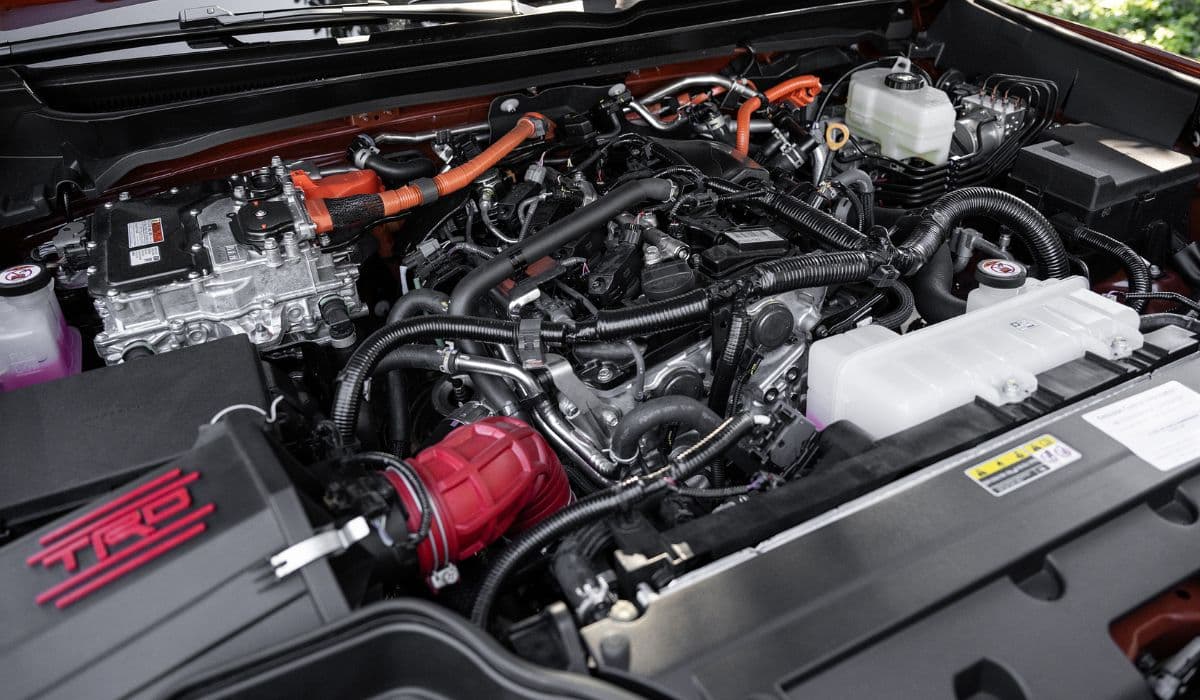
4th Gen Tacoma 2.4T i-Force Max vs 3.5 V6: Which Powertrain Is Actually Better?
08.12.2025 13:05
8-Speed vs 10-Speed Transmission Toyota Reliability: In-Depth Real-World Comparison
08.12.2025 13:15
Common 3rd Generation Toyota Tundra 3.4L Twin-Turbo V6 (V35A-FTS) Engine Problems 2022–2025 Models
08.12.2025 13:18
5th Gen 4Runner Engine Options and Long-Term Reliability: The Definitive Guide
08.12.2025 13:09
Best Tacoma Generation: 2nd vs 3rd Gen – Which One Wins in 2025?
08.12.2025 12:59