Common 3rd Generation Toyota Tundra 3.4L Twin-Turbo V6 (V35A-FTS) Engine Problems 2022–2025 Models
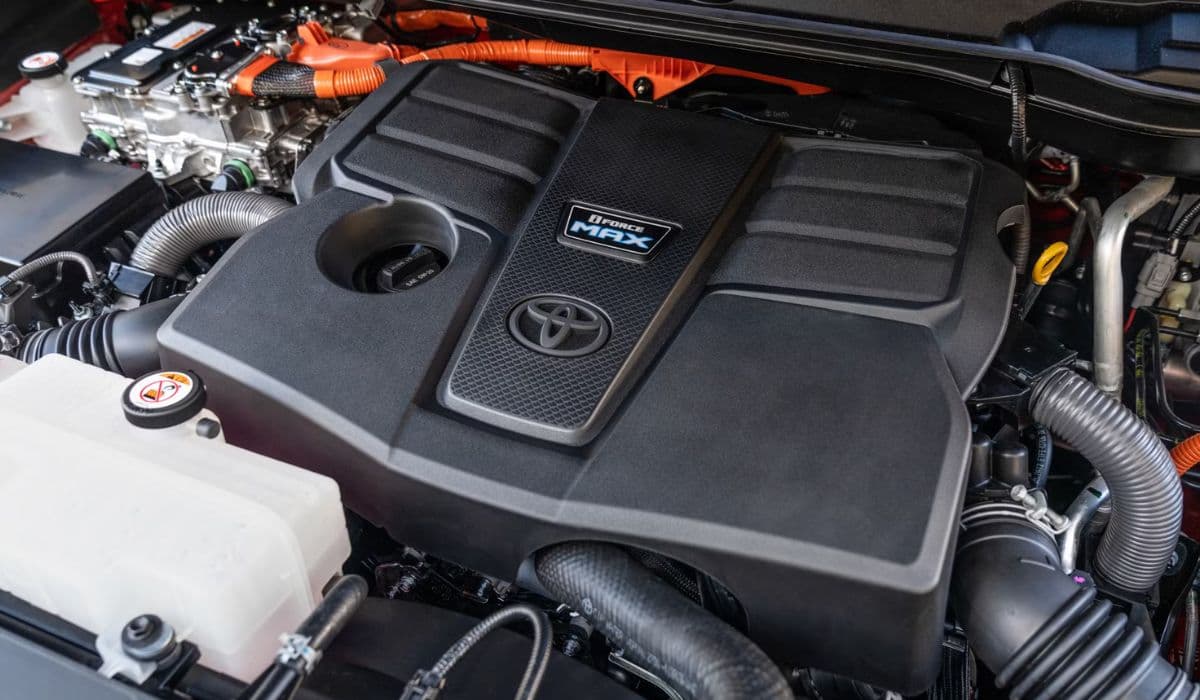
The third-generation Toyota Tundra (2022–present) marked a radical departure from decades of naturally aspirated V8 tradition. The new i-FORCE MAX 3.4L twin-turbo V6, officially coded V35A-FTS, promised 389 hp and 479 lb-ft in non-hybrid form and up to 437 hp/583 lb-ft in the i-FORCE MAX hybrid configuration. While the power delivery and fuel economy impressed many owners, the early production years revealed a series of serious and expensive engine problems that have affected thousands of trucks. Below is a detailed breakdown of the most frequently reported twin-turbo issues based on owner reports, TSBs, NHTSA complaints, and independent shop data.
Catastrophic Main Bearing and Rod Bearing Failures
The single most alarming problem is premature main and rod bearing failure, often occurring between 15,000 and 70,000 miles. Owners describe a sudden loud knocking or “death rattle,” followed by complete engine seizure in many cases. Metallurgical analysis performed by several shops has shown that the factory crankshaft bearings have insufficient embedability and crush, causing rapid wear when microscopic debris circulates in the oil. In extreme cases, the crankshaft itself scores or snaps.
Toyota issued Customer Satisfaction Campaign 24TB08 / 24TA08 in mid-2024 covering certain 2022–2023 Tundras and LX600s with VIN-specific criteria, offering full engine long-block replacement. However, many 2024 and some early 2025 builds fall outside the campaign despite showing identical failure patterns, leaving owners facing $18,000–$25,000 out-of-pocket replacement costs.
Spun Main Bearings Linked to Manufacturing Debris
Multiple teardown videos and independent lab reports have found metallic flash, machining chips, and casting sand left inside the block and crankshaft from the Alabama plant (TMMAL). This debris circulates immediately after the first oil change and embeds into the soft bearing material. Toyota quietly updated the crankshaft and bearing specifications starting late 2023 production, but no official recall for contamination has been announced.
Turbocharger Wastegate Rattle and Failure
A widespread secondary issue is wastegate actuator rod rattle, audible as a loud metallic clatter on cold start or when the engine is shut off. The factory wastegate bushings wear out extremely quickly, allowing excessive play. In severe cases the wastegate flap breaks off entirely, causing massive overboost or loss of boost. Both OEM IHI turbochargers have been revised at least twice, and replacement turbos under warranty now carry updated part numbers ending in -AD or higher.
Oil Consumption and PCV System Problems
Many owners report burning 1 quart every 1,000–2,000 miles even at low mileage. The root cause appears to be an undersized PCV valve combined with high crankcase pressure under boost. Oil is pulled past the piston rings (especially on cylinders 2 and 5) and burned in the combustion chamber. Some engines show heavy carbon buildup on intake valves as early as 30,000 miles despite port + direct injection.
Camshaft Carrier Gasket and Rear Main Seal Leaks
The camshaft carrier gasket (often called the “valve cover in traditional terms) is a multi-layer steel design that commonly leaks externally around 20,000–40,000 miles, leaving oil all over the turbo downpipes and exhaust heat shields. Rear main seal seepage is also extremely common and usually appears together with transmission fluid contamination when the truck is equipped with the 10-speed Aisin transmission.
Fuel Injector and High-Pressure Pump Failures
Direct-injection components have proven fragile. High-pressure fuel pump (HPFP) cam follower wear causes metal shavings to contaminate the entire fuel system, requiring replacement of all six injectors, rails, and the pump itself. Symptoms include long cranking, rough idle, and P0087/P0171 codes. Toyota extended warranty on the HPFP to 10 years/150,000 miles via T-SB-0041-23, but many owners still pay for injector replacement out of pocket.
Hybrid i-FORCE MAX Specific Inverter and MG1/MG2 Issues
On hybrid models, coolant intrusion into the inverter assembly has triggered multiple recalls (23V-566 and later 24V-513). Water from a poorly sealed inverter coolant pipe enters the hybrid transaxle, contaminating MG1 and MG2 electric motors. Affected trucks go into limp mode with “Hybrid System Malfunction” warnings. Toyota replaces the entire hybrid transmission assembly under recall, but wait times for parts have exceeded six months in some regions.
Lower Oil Pan and Oil Filter Housing Leaks
The two-piece lower oil pan design uses RTV sealant only (no gasket), and separation at the seam is common. The plastic oil filter housing also warps, causing persistent drips directly onto the front driveshaft on 4×4 models. Both issues trigger low-oil-level warnings and leave owners stranded when pressure drops critically.
Engine Block Casting Porosity in Early Builds
Independent machine shops have documented porosity and thin wall sections in 2022–early 2023 blocks, especially around the main bearing webs. These blocks often cannot be salvaged during a bearing replacement attempt and require full long-block replacement.
Current Owner Recommendations and Fixes
Owners experiencing any knocking, wastegate rattle, or excessive oil consumption should immediately document oil change records and open a case with Toyota corporate. Many dealers still deny warranty claims on 2024–2025 models despite identical symptoms. Aftermarket solutions gaining traction include:
Installing an oil catch can to reduce crankcase pressure
Switching to 5W-30 full synthetic instead of factory 0W-20 (controversial but widely reported to reduce bearing wear)
Upgraded Pure Turbos or Forced Performance replacement turbochargers with billet wastegates
Complete engine replacement with late-2024 or newer revised long block (part number 19000-FZS2x series)
Despite these issues, many 3rd-gen Tundra owners report flawless operation past 100,000 miles, suggesting quality control has improved significantly from mid-2024 production onward. Potential buyers are strongly advised to seek trucks built after June 2024 and verify the main bearing campaign status by VIN.
More from Toyota
4th Gen Tacoma 2.4T i-Force Max vs 3.5 V6: Which Powertrain Is Actually Better?
08.12.2025 13:05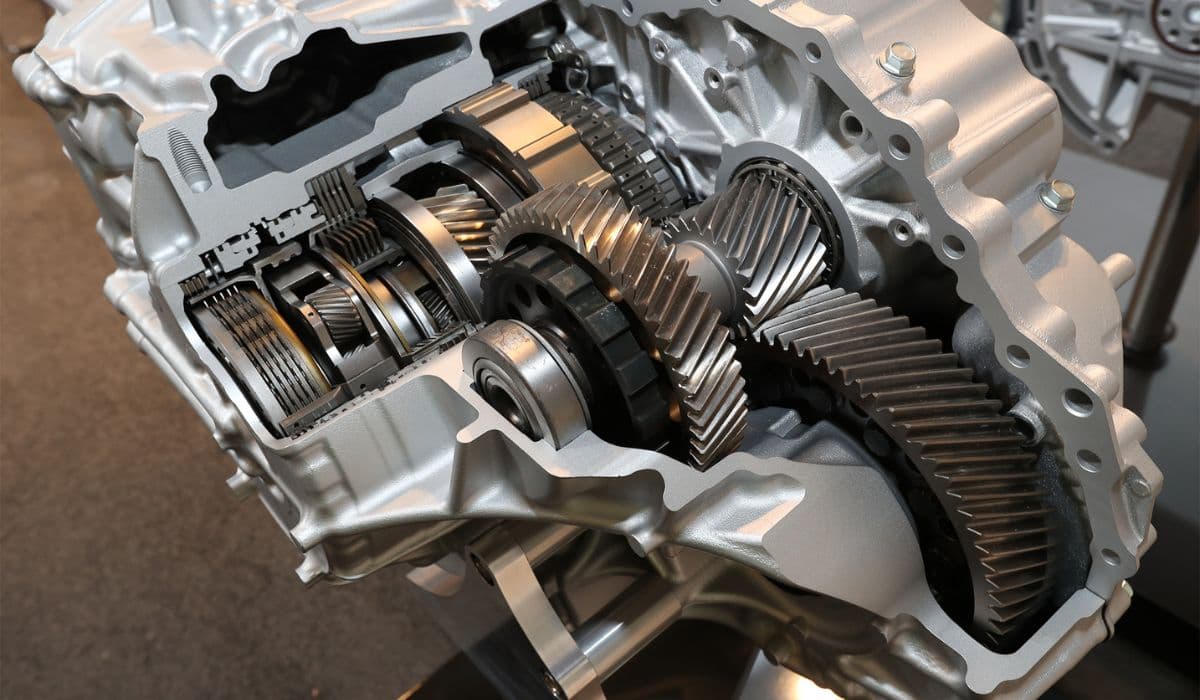
8-Speed vs 10-Speed Transmission Toyota Reliability: In-Depth Real-World Comparison
08.12.2025 13:15
5th Gen 4Runner Engine Options and Long-Term Reliability: The Definitive Guide
08.12.2025 13:09
Best Tacoma Generation: 2nd vs 3rd Gen – Which One Wins in 2025?
08.12.2025 12:59