2UZ-FE 4.7 V8 vs 3UR-FE 5.7 V8 Reliability: In-Depth Real-World Comparison
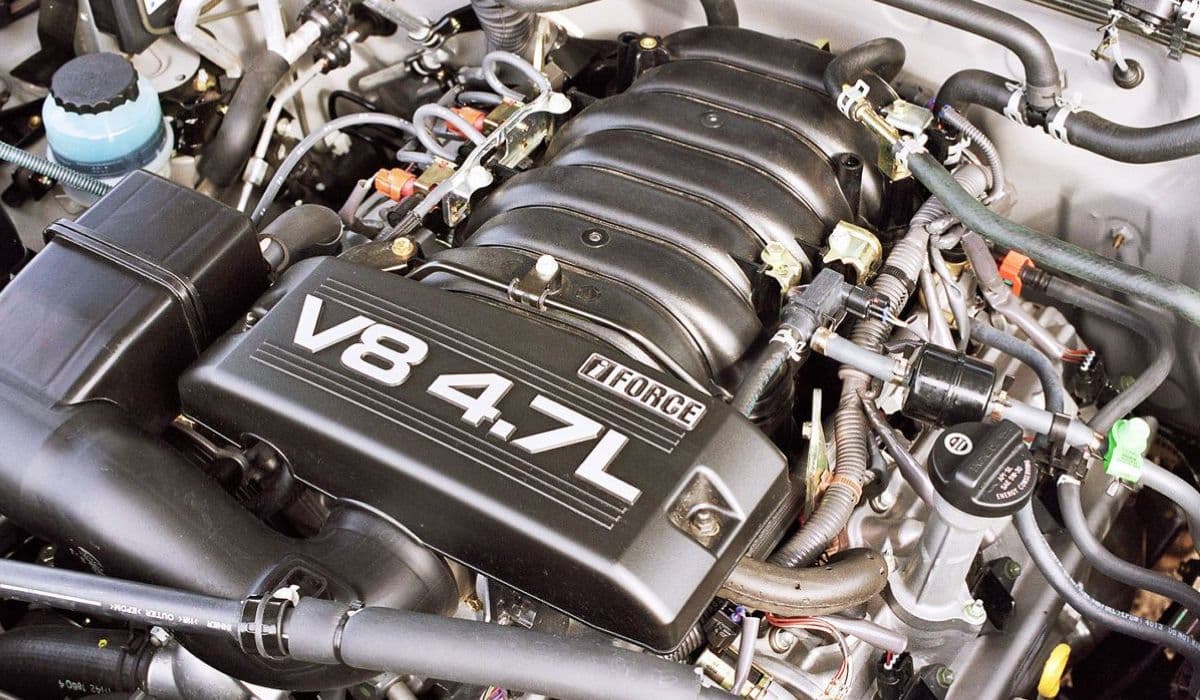
When Toyota and Lexus owners discuss bulletproof V8 engines, two names always dominate the conversation: the 2UZ-FE 4.7-liter and its larger successor, the 3UR-FE 5.7-liter. Both are legendary for longevity, but which one actually lasts longer in real-world conditions?
Engine Design and Basic Architecture Differences
The 2UZ-FE, introduced in 1998, is an all-iron block and heads design with a forged steel crankshaft, cast-iron cylinder liners, and a relatively simple 32-valve DOHC setup with VVT-i introduced in 2005. Its undersquare bore × stroke (94 × 84 mm) favors low-rpm torque and durability over high-revving performance.
The 3UR-FE, launched in 2006, moved to an aluminum block with cast-iron liners and aluminum heads, dropping nearly 50 kg despite the larger 5.7-liter displacement (bore 94 mm × stroke 102 mm). It uses dual VVT-i, higher compression (10.2:1 vs 9.6:1 or 10.0:1 in later 2UZ), and more advanced electronic controls. While lighter and more powerful (381 hp vs 271–282 hp), this modernization introduced new potential weak points.
Timing Belt vs Timing Chain Longevity
One of the biggest reliability advantages of the 2UZ-FE is its timing belt that, when replaced every 90,000–100,000 miles with the water pump and tensioner, almost never fails catastrophically. Owners regularly report 400,000–600,000 miles on original belts when neglected, though this is strongly discouraged.
The 3UR-FE uses a timing chain intended to last the life of the engine. In practice, chain stretch and tensioner failures start appearing between 180,000–250,000 miles, especially in 2007–2013 Tundra and Sequoia and LX570 models. Replacement requires removing the engine or major front disassembly, costing $3,500–$5,500 in labor alone.
Secondary Air Injection System and Exhaust Manifold Issues
Early 3UR-FE engines (2007–2010) suffered from the infamous secondary air injection system (SAIS) failures that trigger P244x codes and “limp mode.” The air pumps seize, valves stick, and the ECU shuts down injectors on one bank. Toyota extended warranty to 10 years/150,000 miles, but many vehicles are now outside this coverage. Bypass kits or deletion with ECU tuning are common fixes.
The 2UZ-FE never had this system and is completely free of these headaches.
Both engines eventually crack exhaust manifolds, but the 2UZ-FE cast-iron manifolds usually crack externally and rarely affect performance. The 3UR-FE tubular manifolds crack at welds and can leak into the engine bay, sometimes triggering oxygen sensor codes. Aftermarket headers are the permanent fix for both, but the problem is noticeably more common on the 5.7.
Oil Consumption and VVT-i Actuator Problems
The 3UR-FE gained a poor reputation for oil consumption on 2007–2011 engines due to piston ring design. Some units burn 1 quart every 1,000–1,500 miles by 120,000 miles. Toyota performed piston and ring replacement campaigns under TSB, but many owners paid out of pocket later. Post-2011 engines improved significantly.
The 2UZ-FE almost never burns oil, even at 400,000+ miles, provided the PCV valve is replaced periodically.
Another 3UR-specific issue is the camshaft gear VVT-i actuator rattle and eventual failure (Toyota calls it the “cam gear noise” TSB). The gear rivets loosen, causing death rattle on cold start and eventual catastrophic failure if ignored. Replacement costs $2,000–$3,000.
Cooling System and Water Pump Durability
The 2UZ-FE uses a traditional belt-driven water pump that costs $300–$500 to replace during timing belt service. Failures are extremely rare before 200,000 miles.
The 3UR-FE water pump is also belt-driven but mounted inside the timing cover on early units, then moved outside in 2010+. Early design leaks antifreeze into the crankcase when the weep hole fails, causing mayonnaise-like sludge. The repair requires timing chain removal and is notoriously expensive.
Radiator failures are more common on the 3UR due to plastic end tanks cracking in hot climates, especially on Tundra and Sequo models used for towing.
Bottom-End and Bearing Reliability
Both engines have forged crankshafts and extremely robust bottom ends. Rod bearing failures are virtually unheard of in either engine when oil is changed regularly.
The 2UZ-FE has a slight edge because its all-iron construction is more tolerant of overheating incidents. Several documented cases exist of 2UZ engines running with little or no coolant for extended periods and surviving with only head gasket replacement.
The aluminum-block 3UR is less forgiving of severe overheating and can warp or crack if severely abused.
Real-World Longevity Data from Owners and Fleets
Fleet data and owner forums (IH8MUD, TundraTalk, ClubLexus) show the 2UZ-FE routinely hitting 500,000–800,000 miles with only basic maintenance. Taxi companies in the Middle East and Africa still run 100-series Land Cruisers and LX470s with over 1,000,000 km (620,000 miles) on original engines.
The highest documented 3UR-FE mileages currently sit around 450,000–550,000 miles, mostly in late-model (2014+) Tundra and LX570 with perfect maintenance. Many early 2007–2009 examples were scrapped or rebuilt by 250,000 miles due to stacked repair costs.
Fuel System and Injector Durability
Both use port injection (no direct injection headaches), but the 3UR-FE runs higher fuel pressure and hotter injectors. Carbon buildup on intake valves is minimal compared to DI engines, but failed injectors are more common on the 5.7, especially when ethanol-blended fuel is used regularly.
The 2UZ-FE injectors almost never fail unless the vehicle has sat for years.
Which One Actually Wins in Reliability?
If pure, carefree longevity is the only criterion, the 2UZ-FE 4.7 V8 is the clear winner. Its simpler design, absence of complex emissions systems, iron block, and serviceable timing belt make it virtually unkillable with basic care.
The 3UR-FE 5.7 V8 is still extremely reliable by modern standards and offers far more power and refinement, but early examples (2007–2011) carry expensive risks that can quickly erase the value advantage. Post-2012 3UR engines with updated pistons, external water pump, and revised cam gears are much closer to the 2UZ in durability.
For anyone planning to keep a vehicle 15–20+ years or rack up massive mileage, the 2UZ-FE remains the gold standard of Toyota V8 reliability.
More from Toyota
4th Gen Tacoma 2.4T i-Force Max vs 3.5 V6: Which Powertrain Is Actually Better?
08.12.2025 13:05
8-Speed vs 10-Speed Transmission Toyota Reliability: In-Depth Real-World Comparison
08.12.2025 13:15
Common 3rd Generation Toyota Tundra 3.4L Twin-Turbo V6 (V35A-FTS) Engine Problems 2022–2025 Models
08.12.2025 13:18
5th Gen 4Runner Engine Options and Long-Term Reliability: The Definitive Guide
08.12.2025 13:09
Best Year 4Runner to Buy Used (5th Generation)
08.12.2025 13:21