Civic Si vs GR Corolla: Which Is the Better Daily Driver?
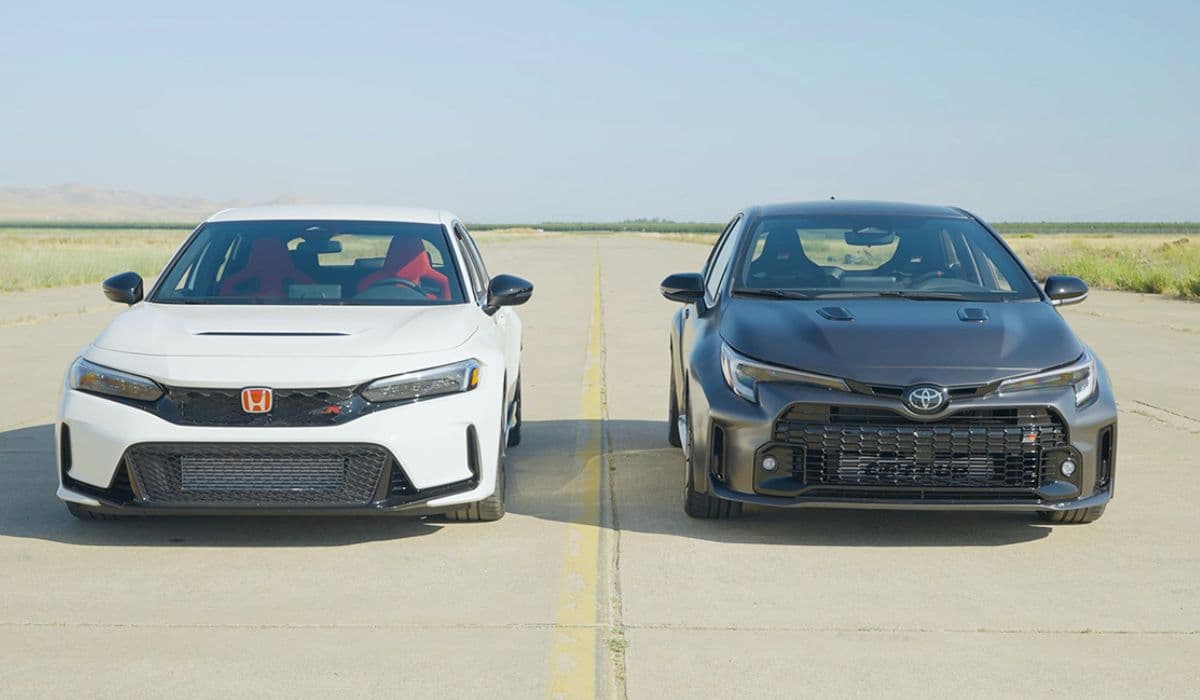
Choosing between the Honda Civic Si and the Toyota GR Corolla as a daily driver is one of the toughest decisions in the current hot-hatch segment. Both cars deliver serious performance in compact, practical packages, yet they approach the “fun daily” formula in completely opposite ways. One is front-wheel drive, razor-sharp, and almost telepathic; the other is all-wheel drive, turbocharged fury with rally DNA. Here’s a deep dive into every aspect that actually matters when you drive the car five or more days a week.
Performance and Driving Feel on Real Roads
The Civic Si uses a 1.5L turbo four making 200 hp and 192 lb-ft of torque, sent exclusively through a 6-speed manual with an automatic rev-match feature that can be switched off. On paper it looks modest next to the GR Corolla’s 300 hp and 295 lb-ft from its 1.6L three-cylinder, but the Si weighs roughly 2,950 lbs — almost 300 lbs less than the GR. That weight difference is felt everywhere.
In daily driving the Civic Si feels instantly alive. The helical limited-slip differential, ultra-quick steering ratio, and adaptive dampers (on newer models) make it dance through traffic and B-roads with almost unnatural precision. Throttle response is linear, the clutch is light, and the shifter is still the benchmark for short, mechanical throws. It begs to be driven hard even at legal speeds.
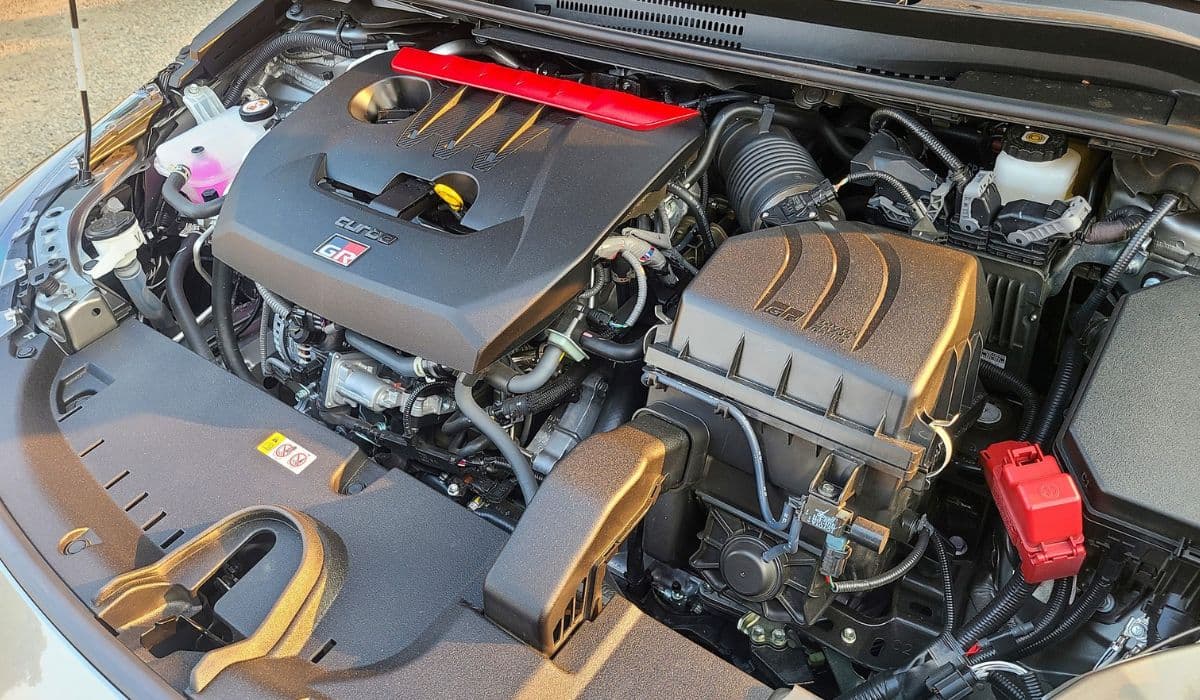
The GR Corolla, by contrast, is a violent little monster. Peak torque arrives at 3,000–5,500 rpm, so there’s a noticeable lag below 3,000 rpm followed by a hard kick that can catch you off guard in stop-and-go traffic. The G16E-GTS engine has character in spades — it snarls, pops, and bangs on lift-off — but in city driving the AWD system and heavier curb weight make it feel less eager to change direction than the Civic Si. The GR really wakes up when you switch to Sport or Track mode and manually dial in more rear torque via the center differential, but most owners admit they leave it in 60:40 or 50:50 for daily use to keep tire wear sane.
Fuel Economy and Real-World Efficiency
Honda claims 37 mpg highway for the Civic Si; owners regularly see 34–36 mpg in mixed driving with a relaxed foot. Aggressive driving still returns upper-20s, which is remarkable for a 200 hp manual car.
The GR Corolla is rated 28 mpg highway, but real-world figures usually land between 23–26 mpg even when driven gently. The combination of AWD drag, a thirsty three-cylinder under boost, and 93-octane recommendation hurts the wallet noticeably more at the pump. If your daily commute is longer than 30 miles each way, the Civic Si will save you hundreds of dollars a year in fuel alone.
Ride Quality and Noise Levels
This is where opinions split hard.
The Civic Si rides on 18-inch wheels with 235/40 Michelin Pilot Sport 4 summer tires (or all-seasons depending on region). The suspension is firm — very firm by family-sedan standards — but the adaptive dampers and sophisticated multi-link rear suspension keep it surprisingly compliant over potholes and expansion joints. Road noise is well suppressed for the class; wind noise only becomes obvious above 75 mph.
The GR Corolla rides lower and stiffer, with Michelin Pilot Sport 4 tires on matte-black 18s. The ride is borderline harsh on anything but glass-smooth pavement. Tar strips, manhole covers, and broken concrete send sharp jolts through the cabin. Tire roar is constant, and the exhaust crackles even in Normal mode. If you live in an area with poor roads (most of the U.S. and Canada), the GR will beat you up on the way to work. Earplugs are not a joke — many owners use them for long highway trips.
Interior Comfort and Daily Practicality
Both cars seat four adults in relative comfort, but the Civic Si is noticeably roomier in the rear (35.7 inches of legroom vs 29.9 in the GR). The Honda’s trunk offers 14.4 cu ft (seats up) compared to the Toyota’s almost comical 17.8 cu ft — wait, the GR actually wins on paper, but the high lift-over height and narrow opening make it less useful for bulky items like strollers or hockey bags.
Honda’s interior materials feel a generation ahead: soft-touch dash, textured plastics, and heavily bolstered sport seats wrapped in grippy cloth with red stitching. The 9-inch touchscreen, wireless CarPlay/Android Auto, and Bose audio option make long commutes pleasant. Heated seats are standard.
The GR Corolla’s cabin is functional but spartan. Hard plastics dominate, the 8-inch screen looks aftermarket, and the seats — while excellent for track days — are aggressively bolstered and thinly padded for long drives. Heated seats and steering wheel are optional only on the higher Circuit and Morizo trims. Many owners immediately add sound deadening and seat padding.
Reliability and Ownership Costs
Honda’s reputation needs no introduction. The 1.5T engine and 6MT have proven bulletproof across the entire 11th-gen Civic lineup. Oil dilution issues that plagued earlier 1.5Ts have been solved. Scheduled maintenance is inexpensive, and Honda routinely tops reliability surveys.
Toyota is no slouch either, but the GR Corolla is still young. Early cars suffered cracked ring lands and spun rod bearings when tracked hard on the stock tune, leading Toyota to issue a warranty extension for short-block replacement. The GR-Four AWD system adds complexity, and Michelin Pilot Sport 4 tires (~$1,200 a set) wear quickly when the rear diff is set aggressively. Insurance rates also tend to be higher because of the car’s power and accident statistics among younger owners.
Winter and Bad-Weather Performance
This is the GR Corolla’s trump card. The adjustable all-wheel-drive system with dedicated Snow mode, combined with 8.7 inches of ground clearance, makes it unstoppable in snow, slush, and heavy rain. Owners in the Snow Belt overwhelmingly prefer it over any FWD hot hatch.
The Civic Si, even with excellent Michelin Pilot Sport All-Season 4 options, is still front-wheel drive. Torque steer is well controlled, but deep snow and unplowed roads will leave you wishing for AWD. Honda does not offer a factory all-season tire with the three-peak mountain snowflake rating on summer-performance rubber.
Modification Potential and Aftermarket Support
Both cars have massive aftermarket scenes, but they attract different crowds.
The Civic Si responds incredibly well to simple bolt-ons: a drop-in air filter, cat-back exhaust, and Hondata tune can push it to 260–270 hp with zero reliability loss. Suspension upgrades (coilovers, sway bars) transform it further.
The GR Corolla’s three-cylinder loves boost. A simple ECU flash pushes torque past 350 lb-ft and horsepower near 340–350, turning it into a rocket ship — but also accelerates the risk of engine failure if you don’t upgrade the rods. The AWD system and Michelin tires become the weak links quickly.
Resale Value and Availability
Civic Si models hold value extremely well and are easy to find on dealer lots with little or no markup.
GR Corollas — especially Circuit and Morizo editions — still command $5,000–$15,000 over MSRP on the used market, and allocation remains tight. If you want one new, you’ll likely wait months and pay above sticker.
Which One Actually Wins as a Daily Driver?
It depends entirely on your priorities.
If you want the purest, most engaging driving experience, near-luxury ride comfort, 35+ mpg, cheap ownership, and don’t live in heavy snow country — the Civic Si is almost impossible to beat at its price point. It’s the hot hatch that never feels like a compromise.
If you crave raw power, all-weather capability, and that rally-bred attitude — and you’re willing to accept a stiff ride, louder cabin, worse fuel economy, and higher running costs — the GR Corolla will put a bigger smile on your face every single time you nail a corner or punch it onto a highway on-ramp.
Most owners who have driven both extensively say: the Civic Si is the one you enjoy 90% of the time; the GR Corolla is the one you enjoy 110% of the time — but only when conditions are right.
More from Toyota
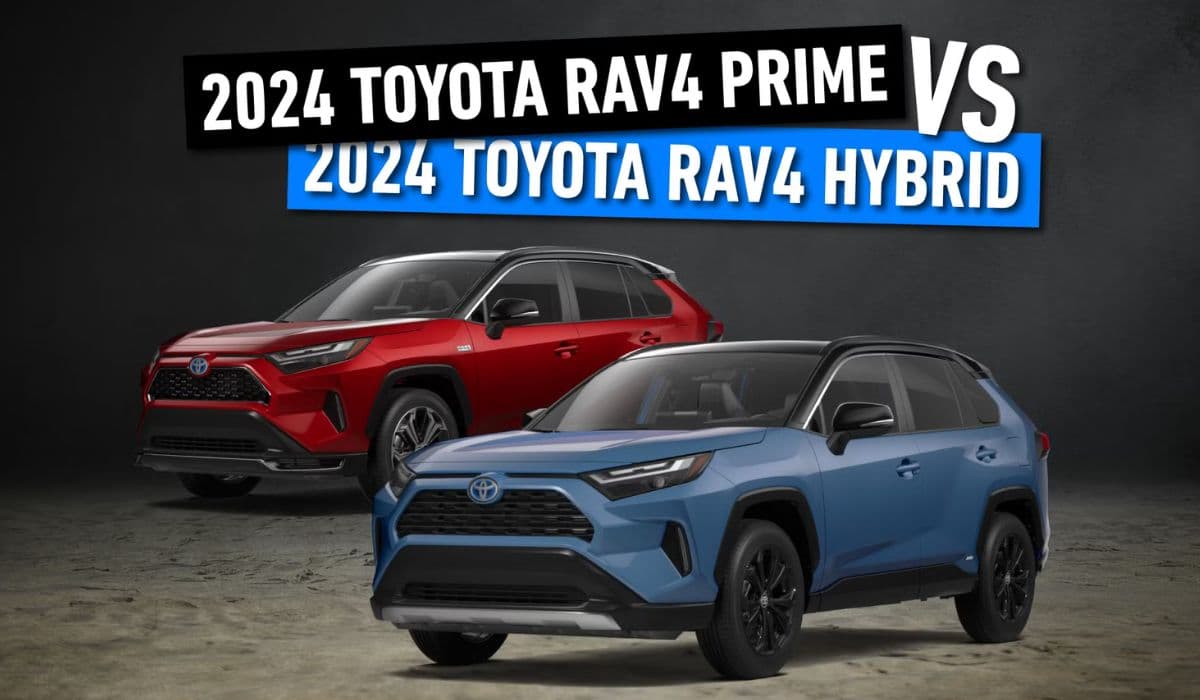
RAV4 Prime vs Hybrid Battery Differences: A Deep Technical Comparison
08.12.2025 13:28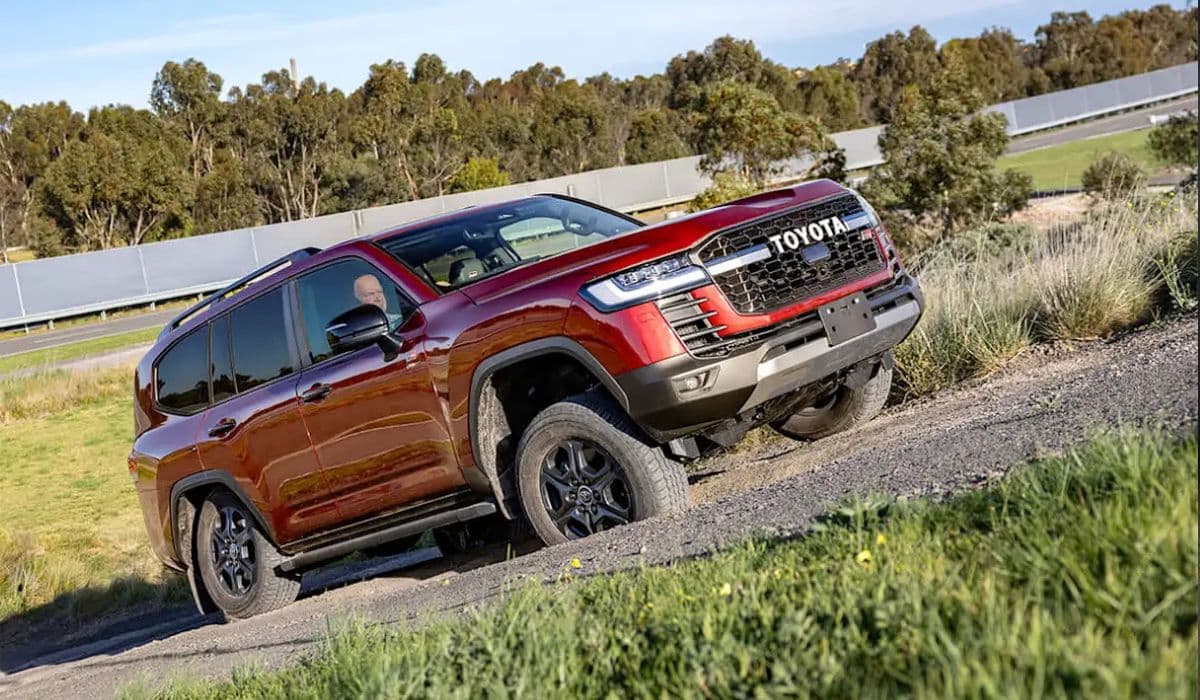
2024+ Toyota Land Cruiser 2.4T Hybrid Real-World MPG: What Owners Actually Get
08.12.2025 13:31
8AR-FTS 2.0T Problems in Older Models
08.12.2025 13:38
Toyota 2.4 Turbo (T24A-FTS) Oil Consumption 2025
08.12.2025 13:47
6-Speed vs 8-Speed Automatic in 3rd Generation Toyota Tacoma: Which Transmission Is Actually Better?
08.12.2025 13:52