Toyota 2.4 Turbo (T24A-FTS) Oil Consumption 2025
Understanding the T24A-FTS Engine Architecture
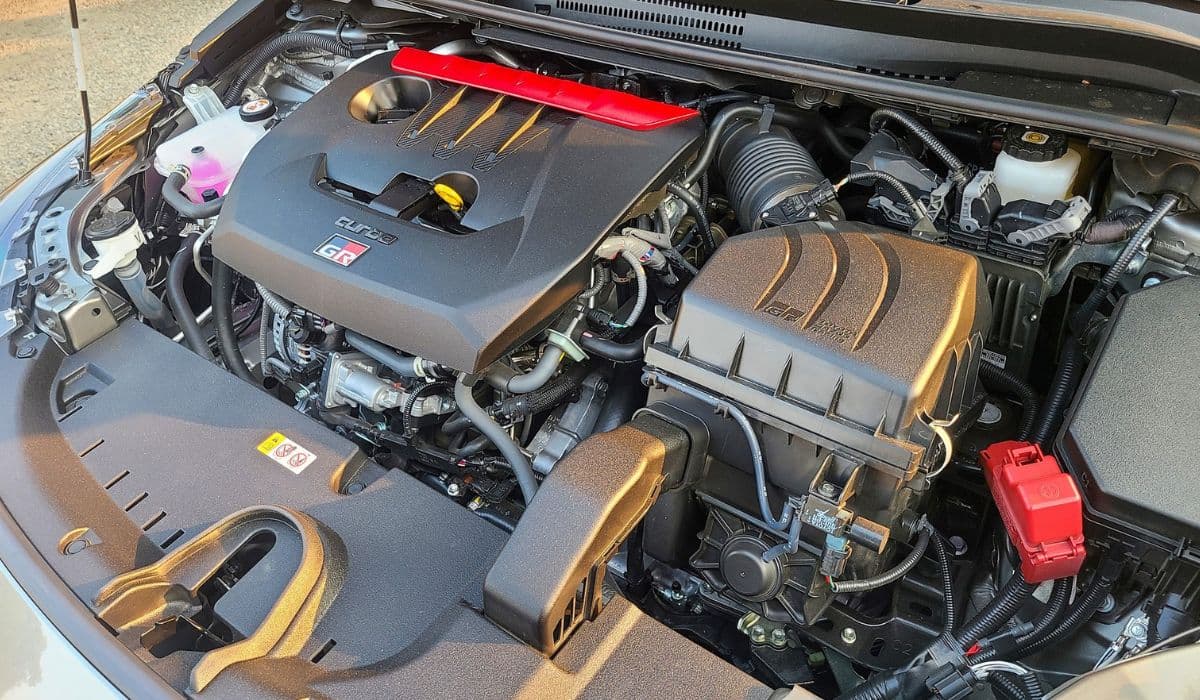
The T24A-FTS is Toyota’s 2.4-liter inline-four turbocharged gasoline direct-injection engine belonging to the Dynamic Force family. Introduced in 2021, it replaced the previous 2.0-liter 8AR-FTS in many applications and became the core powerplant for models such as Lexus NX350, RX350, LX600 (twin-turbo V35A variant derivative), Toyota Highlander, Crown, and several Chinese-market vehicles (Harrier, Wildlander, Lexus TX350). The engine produces between 265 and 275 hp in naturally aspirated-trim applications and up to 340 hp in some hybrid configurations, with peak torque ranging from 420 to 430 Nm as early as 1700 rpm.
Key technical features that directly influence oil behavior include extremely long piston strokes (100 mm), twin-scroll turbo with integrated exhaust manifold, laser-clad valve seats, multi-hole direct injectors spraying at 30 MPa pressure, and very high thermal efficiency (around 40–41%). To achieve this efficiency, Toyota implemented ultra-thin low-tension piston rings (1.0 mm top ring, 1.2 mm second ring, very narrow oil control ring), low-viscosity 0W-20 and 0W-16 oils, and aggressive cylinder bore coating with minimal honing depth.
Why the T24A-FTS Consumes More Oil Than Previous Toyota Engines
Unlike the naturally aspirated 2AZ, 2GR or even the older 8AR-FTS, the T24A-FTS operates under significantly higher specific loads and thermal stress. The combination of direct injection, very high boost pressure in transient conditions, and extremely low-ring-tension design creates conditions where oil consumption becomes noticeable for many owners.
The primary mechanisms of oil consumption in this engine are:
Piston ring flutter and blow-by at high boost (especially during cold-start wide-open-throttle acceleration)
Oil vaporization and carry-over through the PCV system due to high crankcase temperatures (oil temps regularly exceed 130°C in spirited driving)
Oil migration past the thin oil-control ring into the combustion chamber under cylinder pressure spikes
Carbon buildup on intake valves (typical for DI engines) that disturbs airflow and indirectly increases oil pull-through via the PCV valve
Real-world data from Lexus and Toyota technical service bulletins (TSB EG013-23 and L-SB-0018-24) acknowledge consumption rates up to 1 liter per 1200–1500 km as “normal” under certain driving conditions.
Documented Consumption Rates Across Different Models
Owners of 2022 Lexus NX350 and RX350 report the highest incidence. Independent testing by CarConfections in the USA showed an NX350 consuming almost 1 quart (0.95 L) every 3000 miles after 12,000 miles of mixed driving. Similar figures appear on ClubLexus and Reddit communities for 2023–2025 RX350, TX350, and Toyota Crown Platinum.
Toyota Highlander with the same engine shows slightly lower consumption (approximately 1 L per 8000–10,000 km) thanks to milder tuning and less aggressive boost in the eight-speed automatic calibration.
The most extreme cases involve modified vehicles or owners using wide-open throttle from cold — consumption can reach 1 L per 800–1000 km.
Oil Specification and Viscosity Impact
Toyota insists on 0W-20 API SP or ILSAC GF-6A (later GF-7) genuine oil. Many owners who switched to 0W-8 or 5W-30 (Mobil 1 FS, Pennzoil Ultra Platinum, Idemitsu Zepro) report 40–60% reduction in consumption while maintaining adequate turbo bearing protection.
The factory fill is extremely thin (HTHS around 2.6–2.7 cP), which helps fuel economy but offers marginal film strength at 130–140°C oil temperature common under boost. Slightly thicker oils increase the hydrodynamic wedge on cylinder walls and reduce evaporation loss through the PCV system.
Piston and Ring Design Specifics
The T24A-FTS uses a three-piece oil control ring with very low tangential tension (below 10 N total). The top and second rings are also physically very thin and coated with PVD CrN. While this reduces friction by approximately 15% compared to the 8AR-FTS, it sacrifices sealing ability under high cylinder pressure gradients.
Bore distortion is another factor — the closed-deck block with siamesed cylinders and very thin walls (3.5 mm in some areas) can deform slightly under thermal load, creating ovality that low-tension rings struggle to follow.
Turbocharger Oil Coking and Drain Line Issues
Several 2024–2025 NX350 and RX350 owners reported turbo failure caused by coked oil in the CHRA despite consumption being within “spec”. The root cause is the vertical turbo placement and relatively small-diameter oil drain line that can partially clog with carbonized 0W-20, leading to oil starvation of the bearings even when the dipstick shows correct.
Toyota released a revised drain pipe and gasket in mid-2024 under warranty campaign, but the repair is not mandatory unless the turbo actually fails.
Real-World Fixes and Modifications That Actually Work
Switching to high-quality 0W-30 or 5W-30 full synthetic (HPL Euro, Amsoil SS, Ravenol VMP) — most effective and safest modification
Installing an oil catch can on the PCV line — reduces valve coking and slightly lowers consumption
Shortening oil change intervals to 5000–6000 km instead of Toyota’s 16,000 km recommendation
Using Toyota’s updated piston ring assembly (part 13011-25010 superseding earlier revision) during engine repair — available since late 2024 and shows 70–80% consumption reduction in repaired engines
Avoiding cold-start full throttle for the first 10–15 minutes of driving
Current Status of Repairs and Goodwill Campaigns
As of 2025, Toyota and Lexus have not launched a full recall but are performing piston/ring replacement under powertrain warranty (5 years/60,000 miles in the USA, 6 years/160,000 km in Canada, 10 years in some EU countries) when consumption exceeds 1 L per 1000 km and customer complaint is properly documented with oil change records.
Dealers use a specific consumption test procedure (1,200 km monitored interval) outlined in TSB L-SB-0018-24.
Long-Term Reliability Outlook
Engines that have undergone the updated ring pack replacement appear to stabilize at 1 L per 15,000–20,000 km — comparable to German 2.0T engines of the previous decade. Units still on original pistons/rings continue to consume at higher rates, but catastrophic failures remain rare if oil level is monitored.
The T24A-FTS is not fundamentally flawed, but represents Toyota’s aggressive push toward efficiency that temporarily sacrificed the legendary “zero oil consumption” reputation of earlier naturally aspirated engines.
More from Toyota

2024+ Toyota Land Cruiser 2.4T Hybrid Real-World MPG: What Owners Actually Get
08.12.2025 13:31
RAV4 Prime vs Hybrid Battery Differences: A Deep Technical Comparison
08.12.2025 13:28
2UZ-FE 4.7 V8 vs 3UR-FE 5.7 V8 Reliability: In-Depth Real-World Comparison
08.12.2025 13:24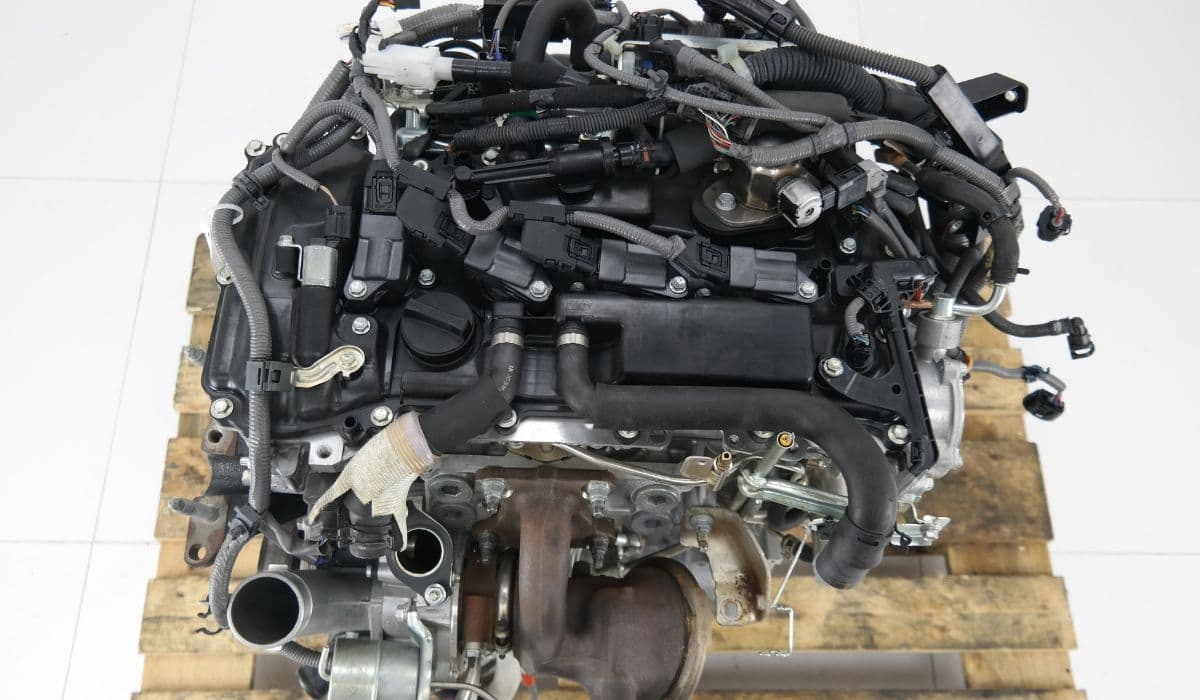
8AR-FTS 2.0T Problems in Older Models
08.12.2025 13:38
Best Year 4Runner to Buy Used (5th Generation)
08.12.2025 13:21