BMW How to fix panoramic sunroof rattle or leaks
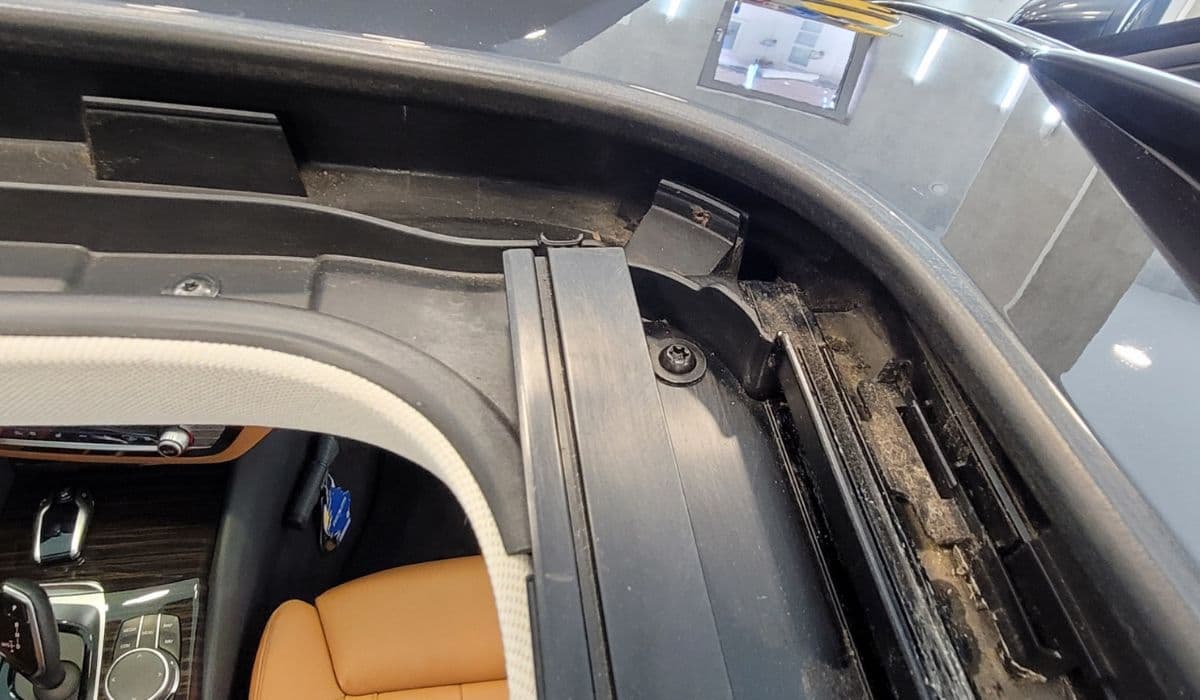
The panoramic sunroof is one of the most appreciated features in many BMW models, offering an expansive view of the sky and an open-air driving experience. However, over time, owners often encounter two common frustrations: annoying rattles that disrupt the quiet cabin and water leaks that can lead to interior damage. These issues stem from the complex mechanism of the panoramic design, which includes multiple glass panels, tracks, seals, and drainage systems. Fortunately, many of these problems can be addressed through careful diagnosis and targeted repairs, restoring the sunroof to smooth, silent operation.
Understanding Common Causes of Rattle in BMW Panoramic Sunroofs
Rattling noises from the panoramic sunroof typically occur when driving over uneven surfaces or at higher speeds. The sound can range from a subtle thud to a persistent creak, often emanating from the front or rear glass panels.
Key factors contributing to rattles include:
Loose components in the sunroof frame or mounting bolts that vibrate with road imperfections.
Worn or dried-out seals and guides that no longer provide adequate cushioning between moving parts.
Debris accumulation in the tracks, causing uneven movement and friction.
Misalignment of the glass panels after repeated use or minor impacts.
In some cases, pushing upward on the affected panel from inside the cabin temporarily quiets the noise, indicating play in the mechanism. Identifying the exact source—whether front, rear, or sides—helps narrow down the fix.
Step-by-Step Fixes for Panoramic Sunroof Rattles
Addressing rattles often starts with simple, non-invasive steps before moving to more involved adjustments.
First, perform a sunroof initialization to recalibrate the system:
Tilt the sunroof to the vent position.
Hold the tilt button upward for about 30 seconds until the roof completes a full open-close cycle.
Repeat if necessary to ensure proper alignment.
If rattles persist, inspect and lubricate the moving parts:
Open the sunroof fully to access the tracks and guides.
Clean away any dirt or old residue with a soft cloth.
Apply a specialized sunroof lubricant (such as white lithium grease or BMW-recommended equivalents) sparingly to the rails, seals, and sliding mechanisms.
Avoid over-application to prevent attracting more debris.
For persistent front-corner rattles:
Check the torque on the sunroof frame bolts and tighten them carefully to specifications if accessible.
Add thin felt tape or soft velcro strips to contact points where glass meets frame for extra damping.
These methods have resolved rattles for many owners, significantly reducing cabin noise and enhancing driving comfort.
Identifying and Preventing Water Leaks in Panoramic Sunroofs
Water leaks are another frequent complaint, often appearing as damp headliners, wet carpets, or condensation inside the glass. Even when closed, rainwater can seep past seals if drainage is compromised.
Primary causes include:
Clogged drain tubes that allow water to overflow into the cabin instead of exiting underneath the vehicle.
Degraded rubber seals around the glass panels that shrink or crack over time.
Improper glass panel alignment leading to gaps.
Accumulated debris in the drainage channels around the sunroof perimeter.
Leaks commonly show up after heavy rain or car washes, with water pooling in corners or dripping from overhead controls.
Effective Methods to Repair Panoramic Sunroof Leaks
Start with the most common culprit: clogged drains. BMW panoramic sunroofs typically have four drain tubes—one at each corner.
To clean them:
Open the sunroof and locate the small drain holes in the corners of the frame.
Use compressed air to blow out loose debris gently.
Insert a flexible weed trimmer line or thin wire into each tube, working it back and forth to dislodge blockages without damaging the hoses.
Pour a small amount of water into the channels and verify it exits cleanly from under the car (front drains near wheel wells, rear near bumper or trunk area).
For stubborn clogs, access the tube exits underneath the vehicle and clear from both ends.
If seals are the issue:
Inspect the perimeter rubber gaskets for cracks, dryness, or shrinkage.
Clean the seals thoroughly and condition them with a silicone-based protectant.
In cases of significant wear, replacing the seals can restore a watertight fit.
After any repair, test by simulating rain with a hose directed at the closed sunroof, checking for interior moisture.
Maintenance Tips for Long-Term Sunroof Reliability
Preventing rattles and leaks is easier than fixing them. Incorporate these habits into your routine care:
Regularly clean the sunroof tracks and channels to remove leaves, pollen, and dirt.
Lubricate guides and seals periodically with appropriate products to maintain smooth operation and flexibility.
Avoid slamming the sunroof or forcing it if resistance is felt.
Park under cover when possible to minimize exposure to debris and extreme weather.
Perform seasonal inspections, especially before rainy periods, to clear drains proactively.
By staying vigilant, you can keep your BMW's panoramic sunroof functioning flawlessly, preserving both its aesthetic appeal and the luxurious cabin environment.
More from BMW
How to fix high-voltage battery shutdown (BMW i4/iX recall)
14.12.2025 14:38
How to replace starter-generator connection BMW
14.12.2025 11:51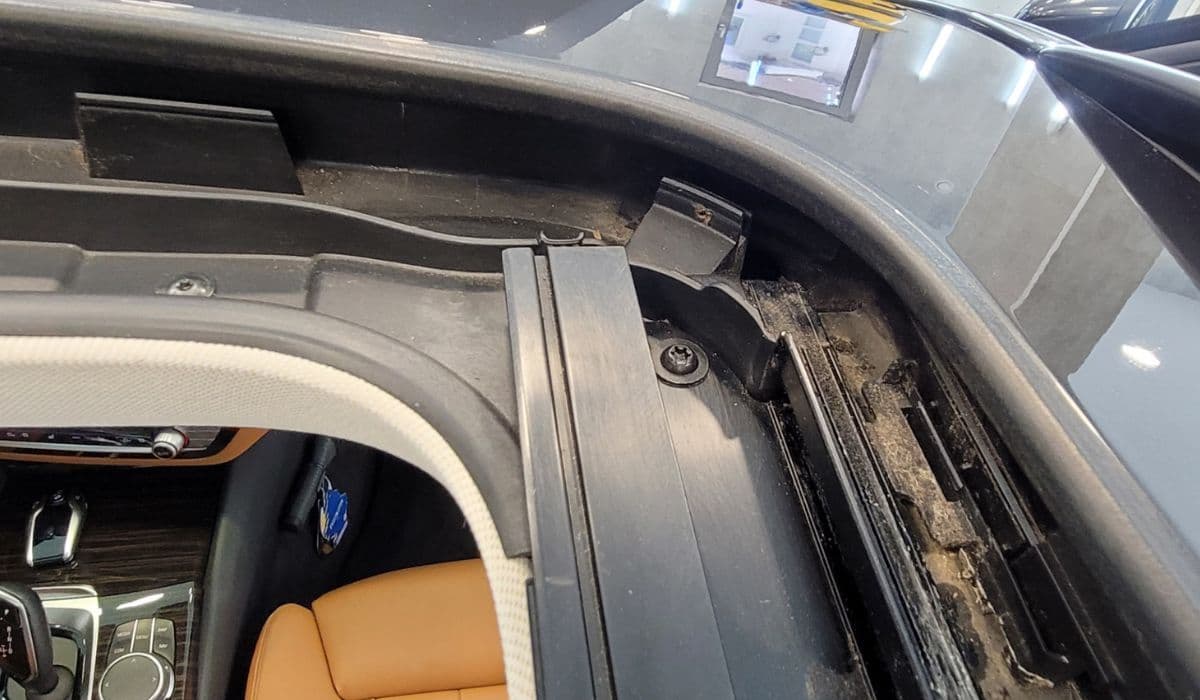
How to fix panoramic roof noise or leaks BMW
14.12.2025 07:56
How to fix brake booster vacuum issues BMW
14.12.2025 06:06
How to replace 12V battery and register it (2025 BMW X5/iX issues)
14.12.2025 03:36