How to fix high-voltage battery shutdown (BMW i4/iX recall)
Modern electric vehicles like the BMW i4 and iX represent the pinnacle of performance, efficiency, and technology. Yet their sophisticated high-voltage systems can occasionally trigger protective shutdowns — sudden loss of drive power that leaves drivers startled, even if steering and braking remain functional. These events often stem from recall-related issues, where overly cautious software or hardware sensitivities interrupt operation to prevent potential risks.
Understanding the root causes and the straightforward path to resolution empowers owners to regain confidence behind the wheel quickly.
Understanding the High-Voltage Shutdown Phenomenon
When the high-voltage battery management system detects a potential anomaly, it initiates a protective shutdown. In affected BMW i4 and iX models, this manifests as:
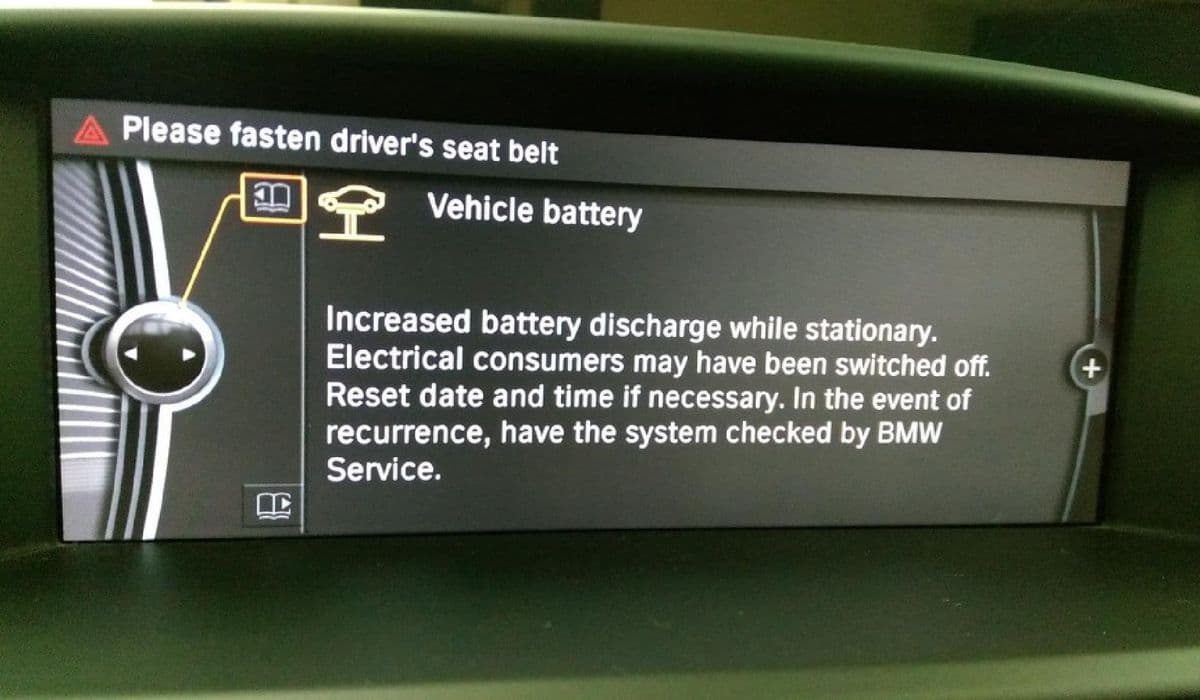
A warning message appearing on the instrument cluster
Loss of propulsion power lasting typically 15–20 seconds
The vehicle becoming undrivable until the system resets
The shutdown serves as a fail-safe mechanism designed to eliminate risks such as electric shock or thermal events. While safety-oriented, frequent or unexpected activations disrupt the seamless driving experience that defines these premium EVs.
Owners commonly report the issue occurring at various speeds, often accompanied by messages like "Drive carefully: High-voltage battery" or "Drivetrain malfunction." Restarting the vehicle temporarily restores function in many cases, but this is merely a workaround — not a permanent solution.
Primary Causes Behind the Recall-Related Shutdowns
BMW has identified several technical triggers through extensive analysis of warranty claims and internal testing. The most prominent ones include:
Software misinterpretation of isolation faults — The electric drive motor software occasionally mistakes a single isolation condition for a more serious double-isolation fault, prompting an unnecessary high-voltage system shutdown.
Overly sensitive monitoring algorithms — Early software versions in certain production batches react too aggressively to minor electrical variances.
Hardware-related stresses — In limited cases, improper assembly pressure during battery module production creates frame stress that may eventually contribute to shutdown triggers.
These factors rarely indicate a catastrophic battery failure. Instead, they reflect the ultra-conservative engineering philosophy that prioritizes maximum safety in high-voltage environments.
The Recommended Fix: Software Update as the Primary Solution
The good news for most owners is that BMW has developed a targeted remedy — a software update that refines the detection logic and prevents erroneous shutdowns.
This update directly addresses the false-positive isolation readings that trigger the high-voltage system to deactivate. After installation, the system distinguishes more accurately between genuine hazards and harmless fluctuations.
Key advantages of this software-based approach include:
Minimal invasiveness compared to hardware replacements
Fast application process, often completed in under an hour
Availability through over-the-air (OTA) delivery for compatible vehicles
Preservation of the original battery hardware and its long-term performance characteristics
Many owners notice smoother power delivery and fewer false warnings immediately after the update. The refinement essentially recalibrates the vehicle's "nervous system" without altering its core capabilities.
Step-by-Step Guide: Getting Your Vehicle Fixed
Taking action is straightforward and typically requires no out-of-pocket expense. Follow these practical steps:
Check your eligibility — Contact your local BMW service center or use the official customer service hotline. Provide your VIN for instant verification against active recall campaigns.
Choose your update method — If your vehicle supports OTA updates, wait for the notification on your iDrive screen and follow the on-screen prompts (ensure stable Wi-Fi connection and sufficient battery charge).
Schedule a dealer visit — For vehicles without OTA capability or if you prefer professional assistance, book an appointment at an authorized BMW service center. Technicians connect diagnostic tools and apply the latest software version.
Prepare for the service — Arrive with at least 30–40% battery charge. The process usually involves no disassembly, though technicians may perform a quick system test afterward.
Verify completion — After the update, request confirmation that the recall action has been closed in your vehicle's service history.
In rare instances where hardware issues (such as stressed battery module frames) are suspected, service advisors will recommend additional diagnostics. Most cases, however, resolve completely with the software refinement alone.
What to Expect After the Fix
Post-update driving impressions often surprise owners positively. The vehicle feels more composed during everyday use, with:
Elimination of phantom shutdown warnings
More predictable power delivery under varying conditions
Greater overall confidence in the high-voltage system's reliability
The update does not compromise range, charging speed, or performance figures. It simply removes an unnecessary layer of caution that was interfering with normal operation.
Staying Proactive with Your BMW EV
Regular software maintenance has become an essential part of EV ownership. BMW continually refines algorithms through updates, enhancing everything from energy efficiency to fault detection precision.
Monitor your iDrive system for update notifications, keep your vehicle connected to Wi-Fi when parked, and stay in touch with your service center about any new campaigns. These small habits ensure your i4 or iX remains at the forefront of electric driving technology.
By addressing recall-related high-voltage shutdowns promptly, owners transform a potential source of anxiety into just another successfully resolved chapter in the vehicle's evolution.
More from BMW
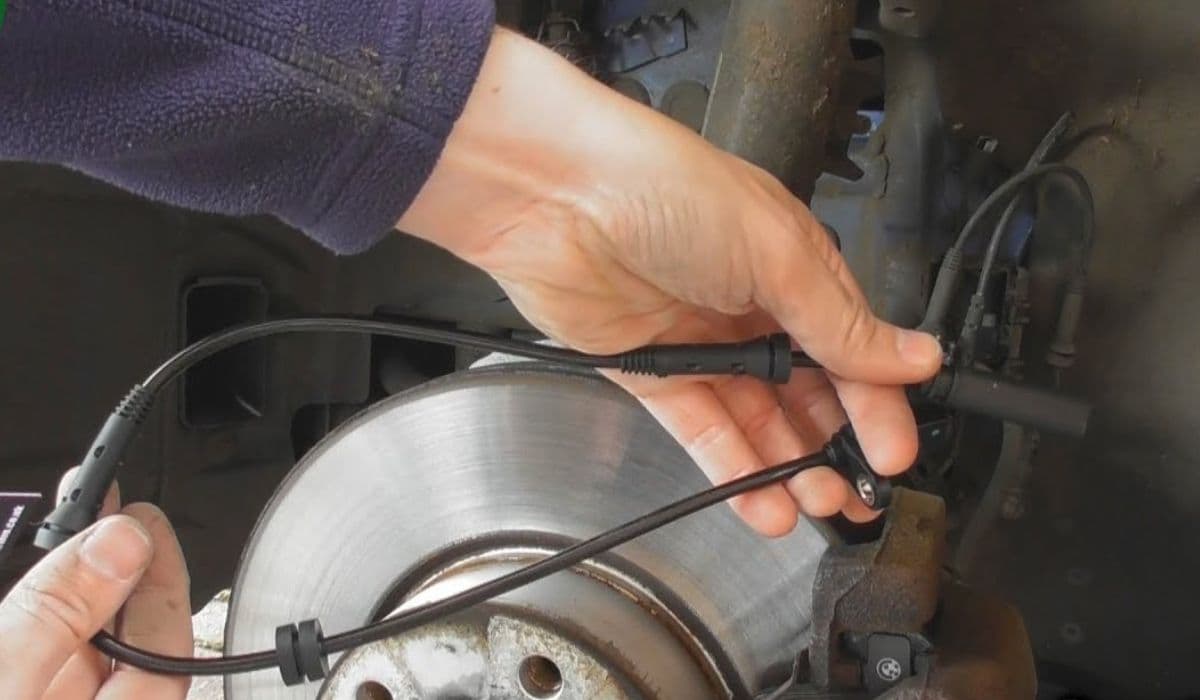
How to fix DSC/ABS wheel speed sensor faults BMW
13.12.2025 13:46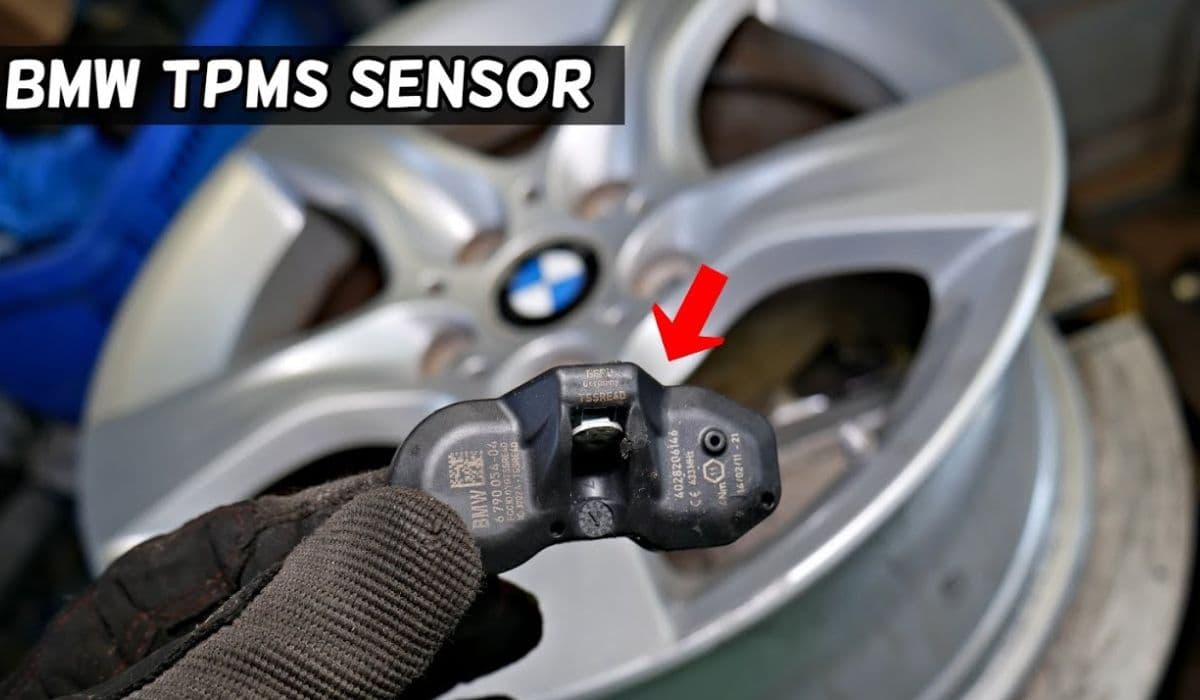
How to replace run-flat tires and reset TPMS BMW
13.12.2025 13:40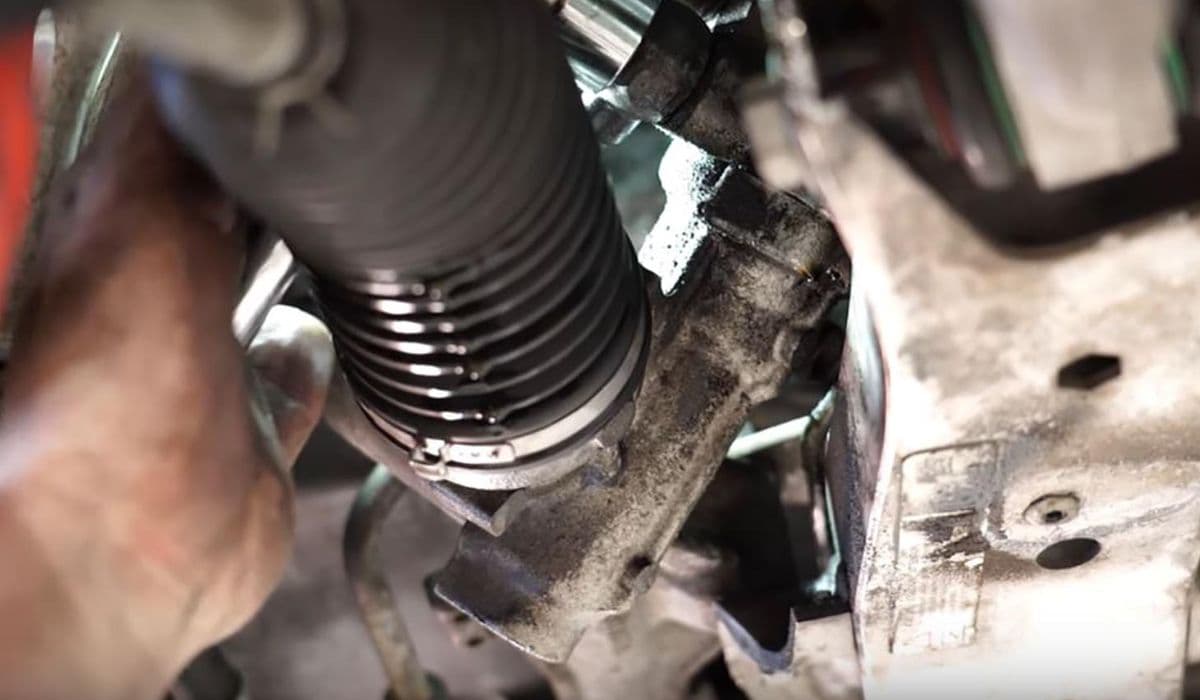
How to fix electronic steering rack clunk BMW
13.12.2025 13:35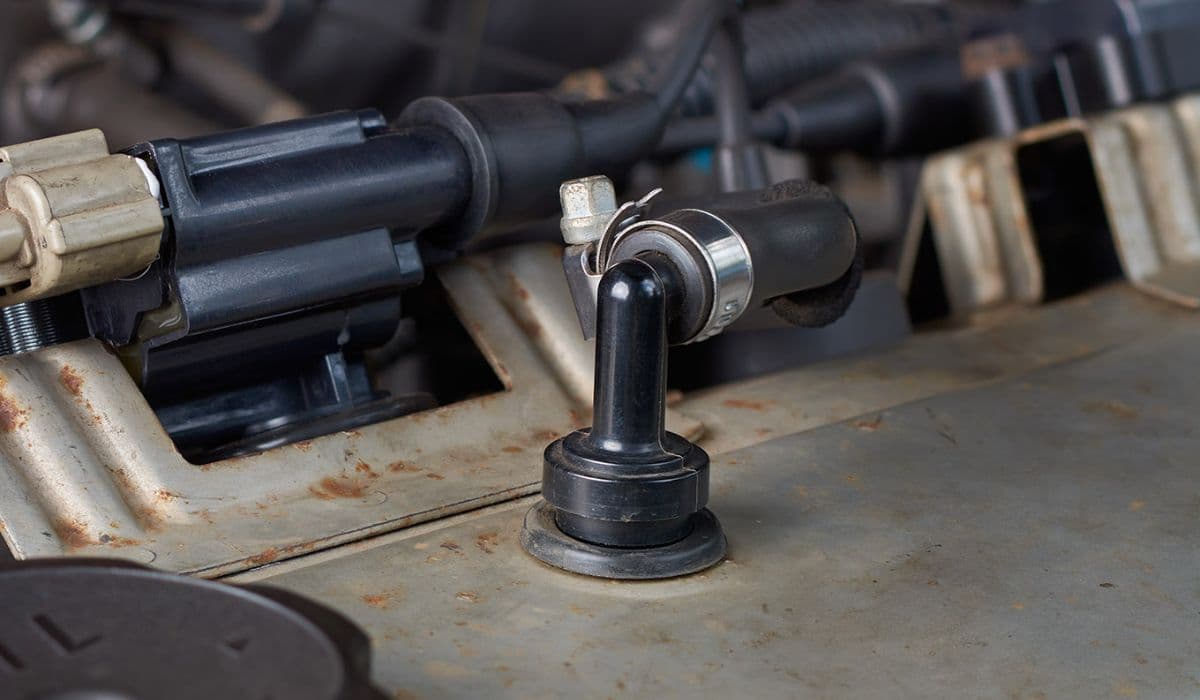
How to fix crankcase ventilation (PCV) valve heater BMW
13.12.2025 13:13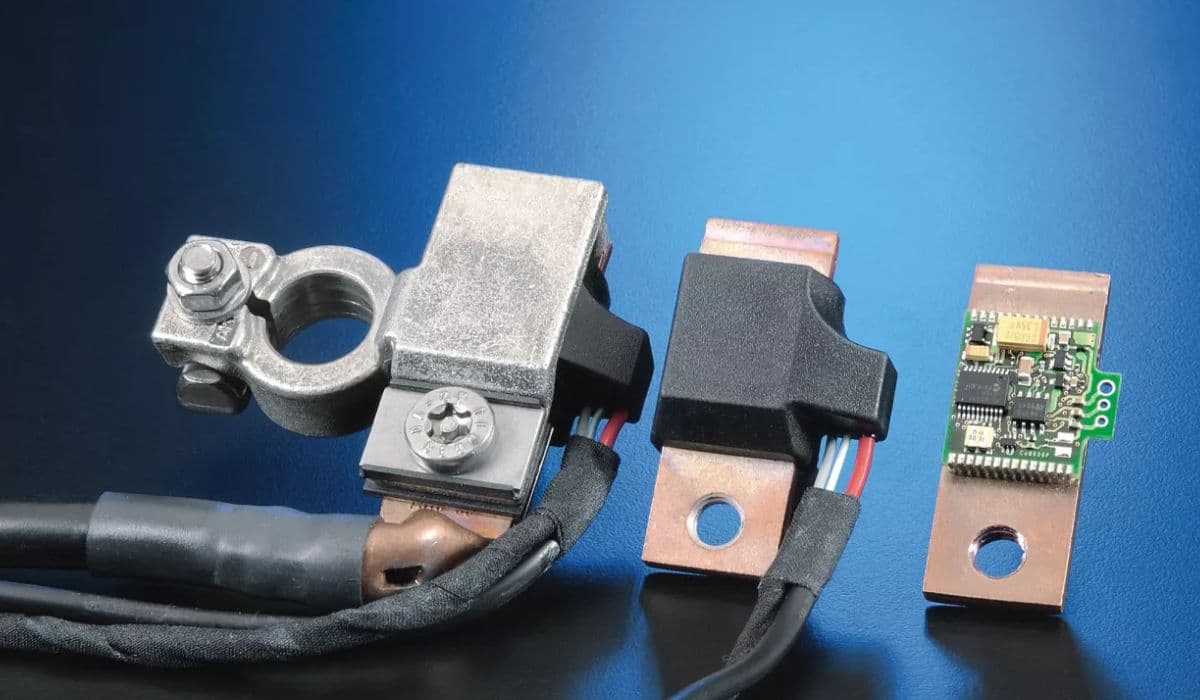
How to replace IBS battery sensor false errors BMW
13.12.2025 13:06