How to fix panoramic roof noise or leaks BMW
The panoramic roof is one of the most appealing features in many BMW models, offering expansive views and an open-air feel that enhances the driving experience. However, over time, owners often encounter issues like unusual noises—such as rattling, creaking, or wind whistling—or water leaks that drip into the cabin. These problems can stem from everyday wear, environmental factors, or minor design quirks common in panoramic systems. Fortunately, many can be diagnosed and resolved with careful inspection and straightforward maintenance, restoring quiet comfort and dryness to your BMW.
Understanding Common Causes of Panoramic Roof Issues
Panoramic roofs consist of large glass panels, intricate mechanisms, rubber seals, and drainage channels designed to handle rain while allowing ventilation. When things go wrong, it's usually due to a handful of recurring culprits.
Noises often arise from:
Worn or hardened rubber seals that no longer cushion the glass properly against the frame.
Slight misalignment of the glass panels, causing them to shift during driving.
Contact between internal components, like the cross brace and glass, especially noticeable over bumps or in varying temperatures.
Debris buildup leading to friction in the tracks or shade mechanism.
Leaks, on the other hand, typically result from:
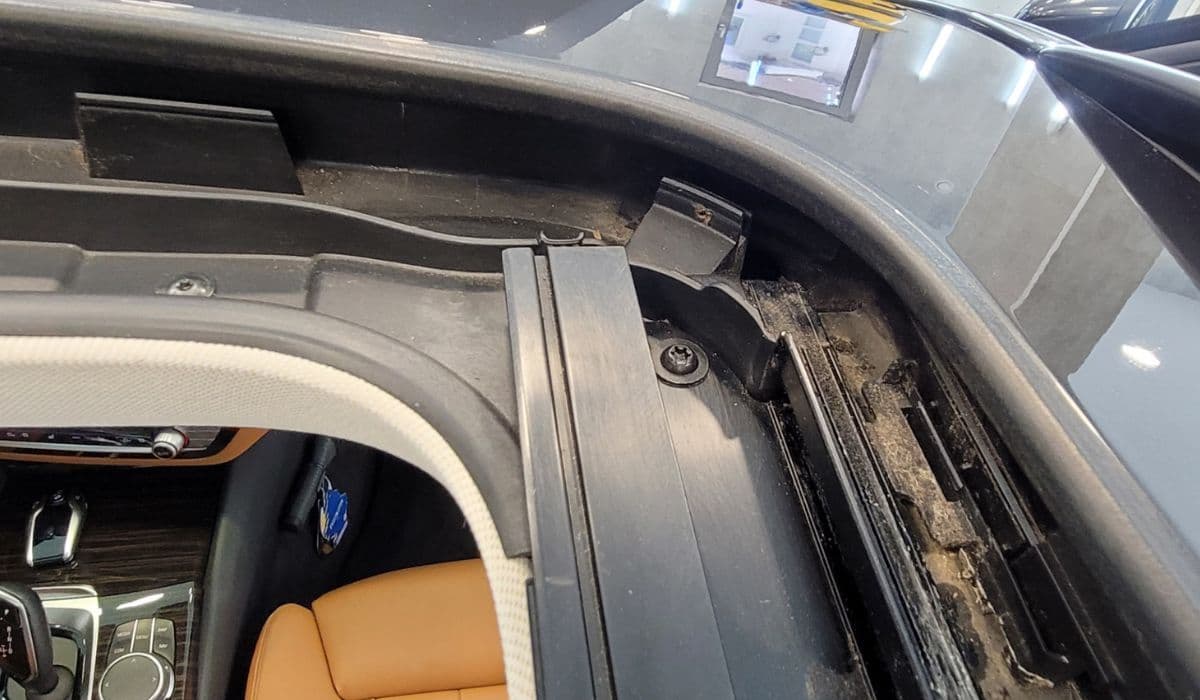
Clogged drainage tubes that prevent water from escaping, causing overflow into the interior.
Degraded seals allowing water to seep past the edges.
Accumulated dirt or leaves in the roof channels blocking proper flow.
Identifying the exact source early can prevent more extensive damage, such as water staining the headliner or affecting electrical components.
Diagnosing Noise Problems in Your BMW Panoramic Roof
Start by pinpointing when and where the noise occurs to narrow down the cause.
Drive over uneven roads with the roof closed and shade open—rattling or creaking often points to panel contact or loose internals.
Test at highway speeds for wind noise, which may indicate seal issues or alignment problems.
Note if pushing upward on the glass from inside temporarily quiets the sound, suggesting play in the front section.
Check in different weather conditions, as cold temperatures can exacerbate creaks due to material contraction.
A simple reset of the sunroof mechanism can sometimes resolve minor glitches:
Fully close the roof, then hold the control button in the closed position for several seconds until the system cycles and recalibrates.
This process helps the roof relearn its positions and can eliminate intermittent noises.
Step-by-Step Fixes for Panoramic Roof Noises
Many noise issues respond well to targeted DIY interventions that add cushioning or restore flexibility.
For rattling or creaking:
Inspect the rubber seals around the glass panels for dryness or cracks.
Apply a silicone-based rubber conditioner to soften and protect them, reducing friction against the frame.
In cases where the central cross brace rubs against the glass, carefully add thin felt pads or foam strips to create separation without interfering with operation.
For persistent wind noise:
Clean the seals thoroughly to remove dirt that prevents a tight fit.
Check panel alignment visually—ensure the glass sits flush with the roofline.
If misalignment is evident, a gentle adjustment of the mounting points may help, though precision is key to avoid further issues.
These steps often silence annoying sounds, making drives more enjoyable.
Use non-abrasive materials for padding to prevent scratches on glass.
Test the roof's full operation after any modifications.
Avoid over-lubricating, as excess can attract dust.
Addressing Water Leaks in BMW Panoramic Roofs
Water intrusion is frustrating but often traceable to the drainage system designed into every panoramic roof.
The roof features four drain tubes—one at each corner—that channel water away from the glass and out beneath the vehicle. Over time, pollen, leaves, or road grime can block these pathways.
To diagnose a leak:
Pour water slowly into the roof channels while the glass is closed and observe if it exits properly from under the car (front drains behind front wheels, rear behind rear wheels).
Look for damp spots on the headliner, pillars, or floor as indicators of overflow.
Cleaning the drains is a highly effective first step.
How to Clean and Maintain Panoramic Roof Drain Tubes
Regular cleaning prevents most leaks and extends the life of your roof system.
Open the panoramic roof fully to access the channels.
Gently remove visible debris with a soft brush or compressed air.
Locate the drain holes in each corner.
Use a flexible trimmer line, weed whacker cord, or thin wire to carefully feed through the tubes from the top, dislodging blockages without forcing.
Flush with water to confirm clear flow.
For stubborn clogs, access from below the vehicle and blow compressed air upward.
After cleaning:
Test by pouring water into the channels and verifying quick drainage.
Dry any interior moisture promptly to avoid mold or electrical issues.
Preventive habits include parking away from trees when possible and performing this maintenance seasonally.
Never use sharp or rigid tools that could puncture tubes.
Work patiently to avoid disconnecting hoses internally.
If water persists in entering, inspect seals for replacement needs.
When to Seek Professional Help for Panoramic Roof Problems
While many fixes are owner-friendly, some situations warrant expert attention.
Complex noises involving the mechanism or frame bolts may require specialized tools for safe adjustment. Extensive leaks with interior damage often benefit from thorough inspection to rule out frame issues or disconnected lines.
Keeping your BMW's panoramic roof in top condition preserves its luxury appeal and protects the vehicle's interior. With attentive care—regular cleaning, seal conditioning, and prompt attention to unusual sounds or dampness—you can enjoy the expansive sky views without the drawbacks. These proactive steps not only resolve current annoyances but also help maintain the sophisticated engineering that makes BMW driving so rewarding.
More from BMW
How to fix DSC/ABS wheel speed sensor faults BMW
13.12.2025 13:46
How to replace run-flat tires and reset TPMS BMW
13.12.2025 13:40
How to fix electronic steering rack clunk BMW
13.12.2025 13:35
How to fix crankcase ventilation (PCV) valve heater BMW
13.12.2025 13:13
How to replace IBS battery sensor false errors BMW
13.12.2025 13:06