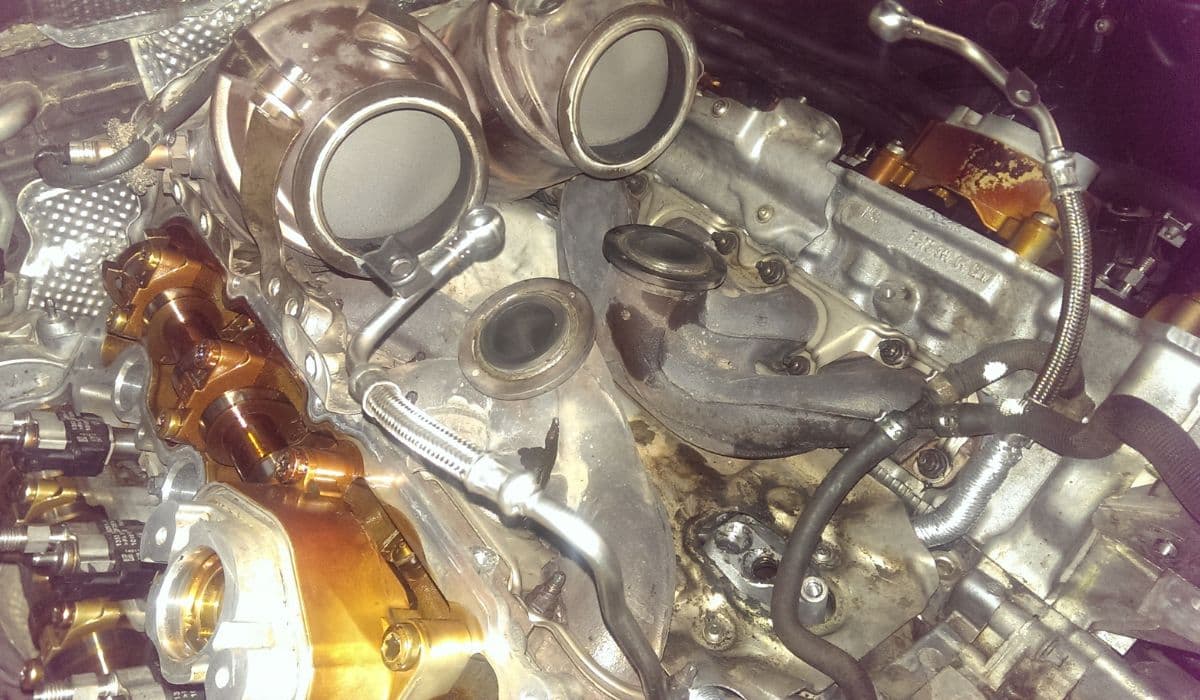
How to fix brake booster vacuum issues BMW
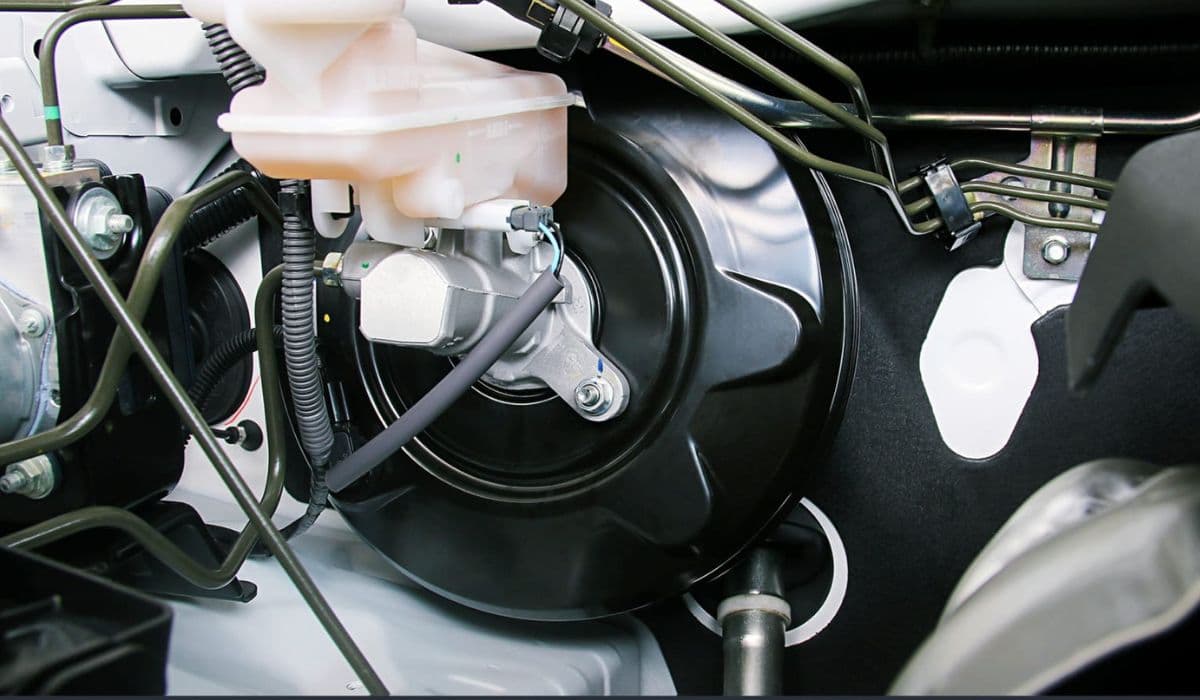
Brake booster vacuum problems rank among the most frustrating yet safety-critical issues BMW owners face. That sudden stiff pedal that turns effortless braking into a workout session, or the mysterious loss of power after a few pumps — these symptoms often point to vacuum-related failures in the brake booster system. BMW models, especially those with naturally aspirated engines or diesel variants relying on vacuum pumps, are particularly susceptible due to their design and age-related wear.
Understanding how the system works helps demystify the problem. The brake booster uses engine vacuum (or vacuum from an auxiliary pump) to multiply your foot pressure, making braking feel light and precise. When vacuum drops, you lose that assistance — and suddenly you're fighting the pedal like it's a heavy-duty truck.
Common Symptoms of Brake Booster Vacuum Problems
Recognizing the signs early can prevent dangerous situations on the road. Here are the most typical indicators BMW drivers report:
Rock-hard brake pedal — especially noticeable after the engine has been running for a while or during extended idling
Pedal requires significantly more force to press, often feeling like you're pushing against a wall
Brakes work normally for the first 1-3 pumps after starting, then become progressively harder
Intermittent loss of power assist, sometimes returning after revving the engine
Engine may run roughly or show high fuel trims (if vacuum leak affects intake)
In rare cases, hissing sound from under the dashboard when pressing the pedal
These symptoms usually develop gradually, making them easy to ignore until braking becomes noticeably compromised.
Primary Causes of Vacuum Issues in BMW Brake Boosters
BMW brake systems are robust, but several weak points commonly fail over time:
Cracked, brittle, or collapsed vacuum hose — Rubber deteriorates, especially near hot engine components
Faulty one-way check valve — This small but critical part allows vacuum in but prevents backflow; when it fails, vacuum escapes
Internal diaphragm rupture in the booster — Often caused by oil contamination from a leaking vacuum pump or line
Leaking vacuum pump (common on diesel and some V8 models) — Oil enters the line and eventually damages the booster
Corroded or loose fittings at the intake manifold or booster connection
Failed vacuum sensor or electric pump issues on models with auxiliary vacuum systems
The combination of oil contamination and diaphragm damage appears frequently on E60, E90, and similar platforms.
Step-by-Step Diagnosis of Vacuum Problems
Proper diagnosis saves time and money. Follow these tests in order — they require minimal tools and can pinpoint the issue quickly.
Test 1: Basic Pedal Reserve Check
Engine off, pump the brake pedal 20-25 times to deplete stored vacuum
Pedal should become very hard after 4-6 pumps
Start the engine while holding moderate pressure on the pedal
Good system: pedal should sink noticeably (about 1-2 inches) as vacuum builds
No movement or very little: vacuum supply problem
Test 2: Engine Running Hold Test
Start engine and press brake pedal firmly
Hold pressure and turn engine off
Pedal should remain firm for at least 30-60 seconds
If pedal rises slowly: internal booster leak (most likely diaphragm)
Rapid rise: major leak in hose, check valve, or connection
Test 3: Check Valve Functionality
Locate the check valve (usually plastic, inserted into booster)
Remove vacuum hose from intake/check valve side
Blow through the hose toward the booster — air should pass easily
Try blowing the opposite direction — almost no air should pass
If air flows both ways: replace check valve immediately
Test 4: Vacuum Source Verification
Disconnect hose at intake manifold (or vacuum pump outlet)
Attach vacuum gauge (cheap tool, highly recommended)
At idle, expect 18-22 inHg (strong vacuum)
Rev engine slightly — vacuum should remain stable
Below 15 inHg: engine vacuum problem or weak pump
Bonus Detection Trick
On many BMWs, disconnecting/plugging the booster vacuum hose at the intake manifold and monitoring idle quality can reveal if the booster is consuming excessive vacuum (indicating internal leak).
Effective Repair Solutions
Once diagnosed, repairs range from simple to moderately involved:
Replace the vacuum hose and check valve — Often solves 60-70% of cases; use OEM-quality parts for longevity
Install new check valve grommet/seal — Tiny rubber piece that hardens and leaks over time
Clean and inspect all fittings — Remove oil residue if present
Replace the brake booster — Required when diaphragm is damaged; involves removing master cylinder (bleed brakes afterward)
Address vacuum pump issues — On affected models, replace pump and contaminated lines/hoses
Check for oil in booster — If present, replace booster and trace source (usually pump or line failure)
Always bleed the brake system thoroughly after any component replacement to restore proper pedal feel.
Prevention Tips for Long-Term Reliability
BMW brake vacuum systems reward proactive maintenance:
Inspect vacuum hoses every 2 years or during major services
Replace check valve proactively at 100-150k km intervals
Monitor for oil in vacuum lines during oil changes
Use quality parts — cheap aftermarket hoses fail quickly
Address any rough idle or high fuel trims promptly, as they often share vacuum leak causes
A reliable brake booster isn't just about comfort — it's essential for confident, predictable stopping power that BMW drivers expect.
More from BMW
How to fix DSC/ABS wheel speed sensor faults BMW
13.12.2025 13:46
How to replace run-flat tires and reset TPMS BMW
13.12.2025 13:40
How to fix electronic steering rack clunk BMW
13.12.2025 13:35
How to fix crankcase ventilation (PCV) valve heater BMW
13.12.2025 13:13
How to replace IBS battery sensor false errors BMW
13.12.2025 13:06