How to replace 12V battery and register it (2025 BMW X5/iX issues)
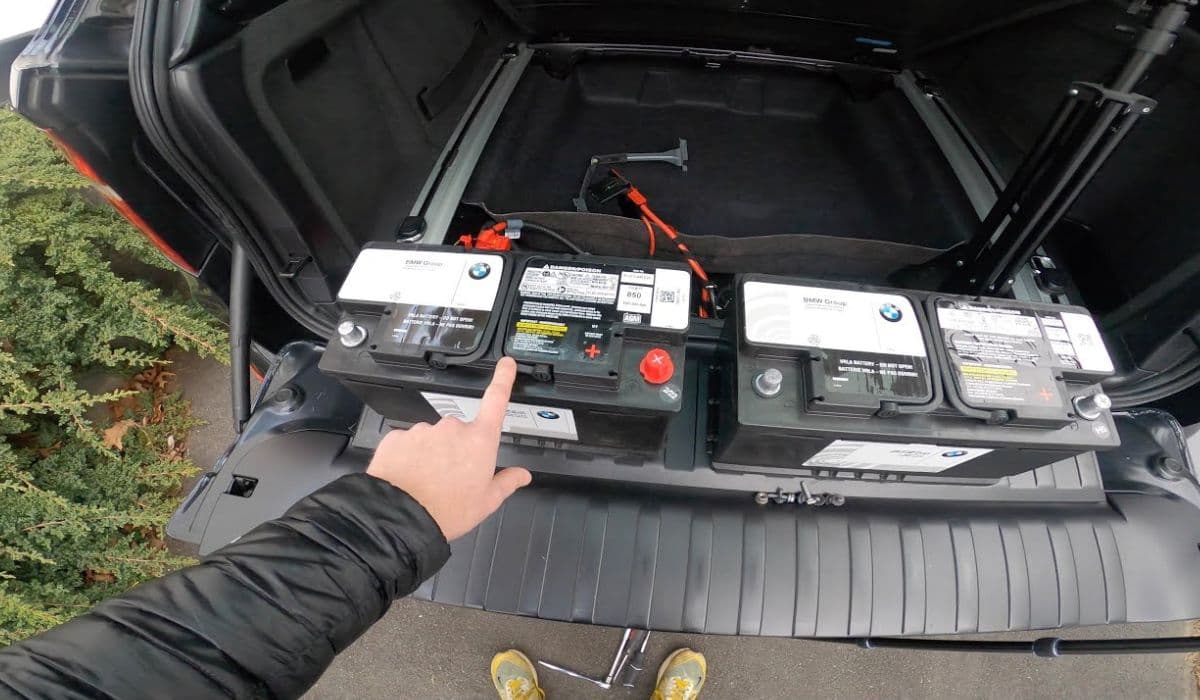
Modern BMW X5 and iX models feature highly sophisticated electrical systems where the 12V battery serves as the backbone for everything from engine starting to advanced driver assistance features, infotainment, and even the Intelligent Battery Sensor (IBS) that constantly monitors its health. When this battery begins to fail, the consequences can appear suddenly and mysteriously — random warning lights, erratic electronics, or complete no-start situations. Replacing it seems straightforward, yet many owners encounter unexpected issues afterward because proper registration of the new battery remains an essential step that is often overlooked.
Why the 12V Battery Fails in Recent BMW X5 and iX Models
Several factors accelerate wear in these premium SUVs:
Frequent short trips — the smart charging system doesn't have enough time to fully replenish the battery.
Advanced electronics — numerous modules remain active even when the vehicle is "off," creating a higher parasitic draw.
Start-stop technology — cycles the battery more intensively than in conventional cars.
Extreme temperatures — both hot summers and cold winters reduce capacity faster.
Aging IBS sensor — can provide inaccurate data, leading to under- or over-charging.
Typical warning signs include:
Slow cranking or clicking when attempting to start
"Battery discharged" or "Increased battery discharge" messages on the iDrive screen
Dimming headlights or interior lights during engine start
Malfunctions in comfort features (keyless entry, power liftgate, seat memory)
Random system reboots or frozen infotainment
Choosing the Correct Replacement Battery
Always select an AGM (Absorbent Glass Mat) type — standard flooded lead-acid batteries simply won't survive the demands of BMW's energy management system. Key specifications to match include:
Capacity (usually 90–105 Ah depending on the exact engine and options)
Cold Cranking Amps (CCA) rating suitable for your climate
Physical dimensions and terminal layout (H9/L5 or similar group size)
Calcium-silver or high-performance AGM technology for maximum longevity
Many owners upgrade slightly in capacity when the original battery was borderline, but any change in type or size requires precise registration to avoid charging problems.
Preparation Before Starting the Replacement
Safety and success depend on good preparation:
Park on a level surface with the parking brake engaged
Gather tools: 10mm socket, torque wrench, trim removal tools, gloves, and eye protection
Have a memory saver device or OBD-II battery maintainer connected to the jump posts under the hood (highly recommended to prevent module resets)
Confirm you have access to a compatible diagnostic tool for registration (BimmerCode, Carly, BimmerLink, ISTA, or similar)
Disconnecting the battery without a maintainer can trigger fault codes in multiple control units, turning a simple job into an expensive diagnostic session.
Step-by-Step 12V Battery Replacement Guide
The location varies slightly between combustion X5 models and fully electric iX, but follows a similar logic.
For X5 (combustion and plug-in hybrid versions):
Open the hood and locate the front trunk area near the passenger side.
Remove the cabin air filter housing or plastic covers (usually secured with clips or 10mm bolts).
Disconnect the negative terminal first (black cable, 10mm nut), then the positive.
Release any hold-down clamp or bracket.
Carefully lift the old battery out — it's surprisingly heavy.
Clean the tray of any corrosion using baking soda solution if needed.
Install the new battery in the reverse order: positive first, then negative.
Torque terminals to factory specification (usually around 12–15 Nm).
For iX (fully electric):
The 12V battery is typically located in the front compartment, similar to X5.
Additional covers and sometimes the auxiliary module housing must be removed.
Follow the same disconnect/reconnect sequence, paying extra attention to any nearby high-voltage system warnings.
Double-check all connections are tight and corrosion-free before proceeding.
The Critical Step: Battery Registration Explained
BMW's energy management system uses the IBS to monitor battery condition and adjust alternator output accordingly. When you install a new battery without telling the car, the system continues using the old battery's data — resulting in:
Chronic undercharging (short battery life)
Overcharging (accelerated degradation)
Erratic start-stop behavior
Persistent low-battery warnings
Registration updates the vehicle's brain with the new battery's capacity, type, and age, allowing intelligent charging to resume properly.
How to Perform Battery Registration
The exact process depends on your diagnostic tool, but the core steps remain consistent:
Connect your OBD-II interface to the port under the dashboard.
Launch the software and establish connection to the vehicle.
Navigate to the "Battery" or "Power Management" service function.
Select "Battery replacement" or "Register new battery."
Enter the exact details: battery type (AGM), capacity in Ah, and sometimes the manufacturing date code.
Confirm and execute the registration process (takes 1–5 minutes).
Clear any pending fault codes related to the battery or IBS.
After successful registration, take the vehicle for a short drive (at least 15–20 minutes) to allow the system to adapt and verify the new parameters.
Many owners report that systems feel noticeably more responsive after proper coding — start-stop engages smoother, electronics behave more predictably, and warning messages disappear.
Post-Replacement Tips for Maximum Longevity
To extend the life of your fresh 12V battery:
Use a smart trickle charger/maintainer during long periods of inactivity.
Avoid excessive short trips whenever possible.
Periodically check battery voltage (should be ~12.7V when fully rested).
Monitor for recurring warnings — they often indicate other underlying issues (alternator, IBS sensor, or parasitic draw).
Consider professional diagnosis if problems persist after registration.
Replacing and registering the 12V battery properly transforms what could become a frustrating experience into a routine maintenance task that keeps your BMW X5 or iX running at peak performance.
More from BMW
How to fix DSC/ABS wheel speed sensor faults BMW
13.12.2025 13:46
How to replace run-flat tires and reset TPMS BMW
13.12.2025 13:40
How to fix electronic steering rack clunk BMW
13.12.2025 13:35
How to fix crankcase ventilation (PCV) valve heater BMW
13.12.2025 13:13
How to replace IBS battery sensor false errors BMW
13.12.2025 13:06