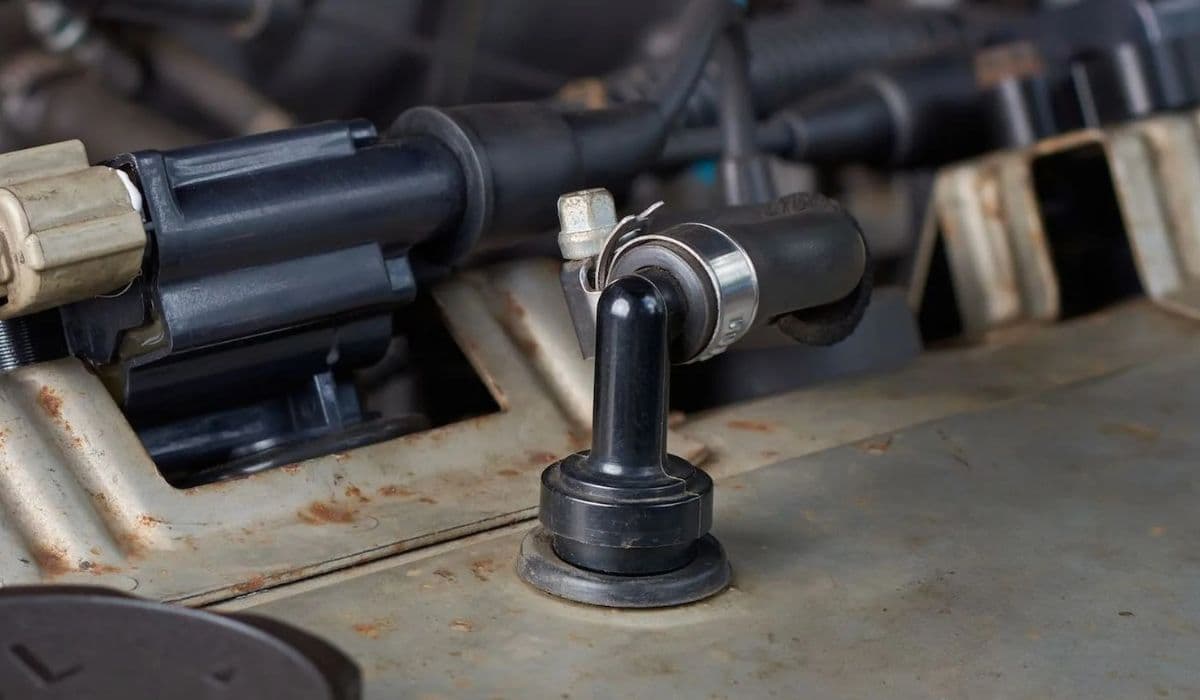
BMW: How to replace starter motor (fire risk recall)
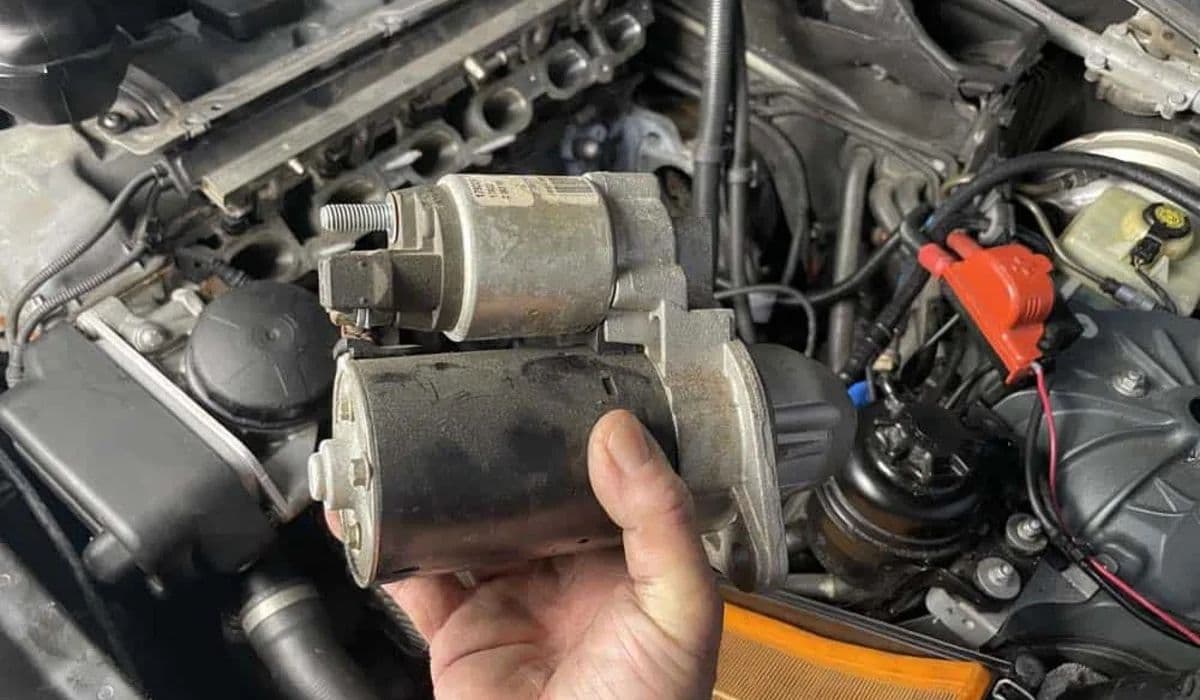
The starter motor in a BMW plays a critical role in getting the engine running smoothly every time you turn the key or press the start button. It engages the flywheel to crank the engine, drawing significant power in short bursts. However, certain manufacturing defects in some starter motors have led to safety concerns, prompting widespread recalls due to potential overheating that could escalate into a fire hazard. This issue often stems from electrical overload during repeated cranking attempts or internal faults that cause excessive heat buildup, potentially igniting nearby materials in the engine bay.
Understanding this problem is essential for BMW owners, as it highlights the importance of addressing starting issues promptly. Symptoms like slow cranking, clicking sounds without engagement, or intermittent no-start conditions can signal a failing starter. In recall-affected vehicles, these problems are compounded by the risk of thermal events, making timely replacement not just a maintenance task but a safety priority.
Understanding the Fire Risk Associated with Faulty Starter Motors
Starter motors are robust components, but when defects allow overheating, the consequences can be serious. Overload occurs when the starter struggles to turn the engine, often due to repeated start attempts. This draws excessive current, heating internal components to dangerous levels.
In some cases, heat can transfer to surrounding sound-deadening materials or wiring, creating a ignition source. The risk persists even after the vehicle is parked, as residual heat or short circuits may trigger issues hours later. Manufacturers have identified this in various models through field reports and testing, leading to recalls where replacement with redesigned units eliminates the vulnerability.
Owners experiencing hard starts should avoid multiple cranking attempts in succession, allowing cooldown periods to prevent escalation. Recognizing these risks empowers drivers to seek professional or DIY solutions swiftly, restoring reliability and peace of mind.
Signs Your BMW Starter Motor Needs Replacement
Diagnosing a failing starter early can prevent stranded situations and mitigate associated risks. Common indicators include:
A single loud click when attempting to start, without engine turnover.
Grinding or whining noises during cranking, suggesting gear misalignment or internal wear.
Intermittent starting, where the engine fires up fine sometimes but refuses others.
Dashboard warnings related to battery or electrical systems, even with a healthy battery.
Smoke or burning smell from the engine bay after failed starts.
These symptoms often worsen in cold weather or after short trips, when the engine hasn't fully warmed. Testing involves checking battery voltage first—ensure it's above 12.6 volts at rest—then verifying power reaches the starter solenoid. A voltage drop test across cables can reveal hidden resistance. If the starter spins freely when bench-tested but fails in-vehicle, connections or the flywheel may be at fault.
Tools and Preparation for Starter Motor Replacement
Replacing a BMW starter motor is a rewarding DIY project for those with mechanical experience, offering insight into the engine's inner workings. Preparation is key to a smooth process.
Essential tools include:
Socket set with extensions, including E12 external Torx sockets for mounting bolts.
Torque wrench for precise reinstallation.
Jack stands, wheel chocks, and a floor jack for safe under-vehicle access.
Trim removal tools to avoid damaging panels.
Battery disconnect tool or wrench.
Work in a well-ventilated area on a cool engine. Disconnect the battery negative terminal first to prevent electrical shorts—always prioritize safety by wearing gloves and eye protection. Gather a replacement starter matched to your engine code, ensuring it's a high-quality unit to avoid repeat issues.
Step-by-Step Guide to Removing the Old Starter Motor
Access varies by model, but most BMWs position the starter near the transmission bell housing, often requiring work from below or through the wheel well.
Raise the vehicle securely on jack stands and remove the underbody panels for clearance.
Locate the starter, typically on the driver's side for inline engines.
Disconnect electrical connections: remove the solenoid wire and main power cable, noting their positions.
Support the starter's weight, then loosen the mounting bolts—usually two or three E12 Torx—working patiently as space is tight.
Maneuver the starter out, twisting as needed to clear exhaust manifolds or heat shields.
For some engines, partial intake manifold removal provides top access, simplifying the job. Inspect the flywheel teeth for damage during removal, as worn ring gear can contribute to starter failure.
Installing the New Starter Motor
With the old unit out, clean the mounting surface and inspect wiring for corrosion or damage.
Position the new starter, aligning the drive gear with the flywheel.
Hand-thread the mounting bolts to avoid cross-threading, then torque to specifications—typically around 40-50 Nm depending on the model.
Reconnect electrical terminals securely, applying dielectric grease to prevent future corrosion.
Reinstall any removed components, like heat shields or intake parts.
Double-check all connections before lowering the vehicle. The new unit should engage crisply, eliminating previous hesitations.
Testing and Post-Replacement Checks
After installation, reconnect the battery and start the engine multiple times to verify smooth operation.
Listen for abnormal noises and ensure quick cranking.
Monitor for warning lights or unusual smells.
Drive the vehicle to confirm consistent performance under load.
If issues persist, recheck connections or consult diagnostics for underlying problems like battery drain or alternator faults. A successful replacement restores instant starts and addresses any recall-related concerns effectively.
This hands-on approach not only resolves starting troubles but deepens your connection to the precision engineering that defines BMW driving dynamics.
More from BMW
How to fix transfer case failure (BMW X5 common 9K repair)
20.12.2025 09:38
How to replace brittle plastic radiator sensor BMW
20.12.2025 09:10
How to fix dash delamination from weak glue BMW
20.12.2025 09:09
How to fix coil whine in drivetrain (BMW new models)
20.12.2025 06:41
How to fix mysterious coolant loss (BMW B58/N55 engines)
19.12.2025 22:06