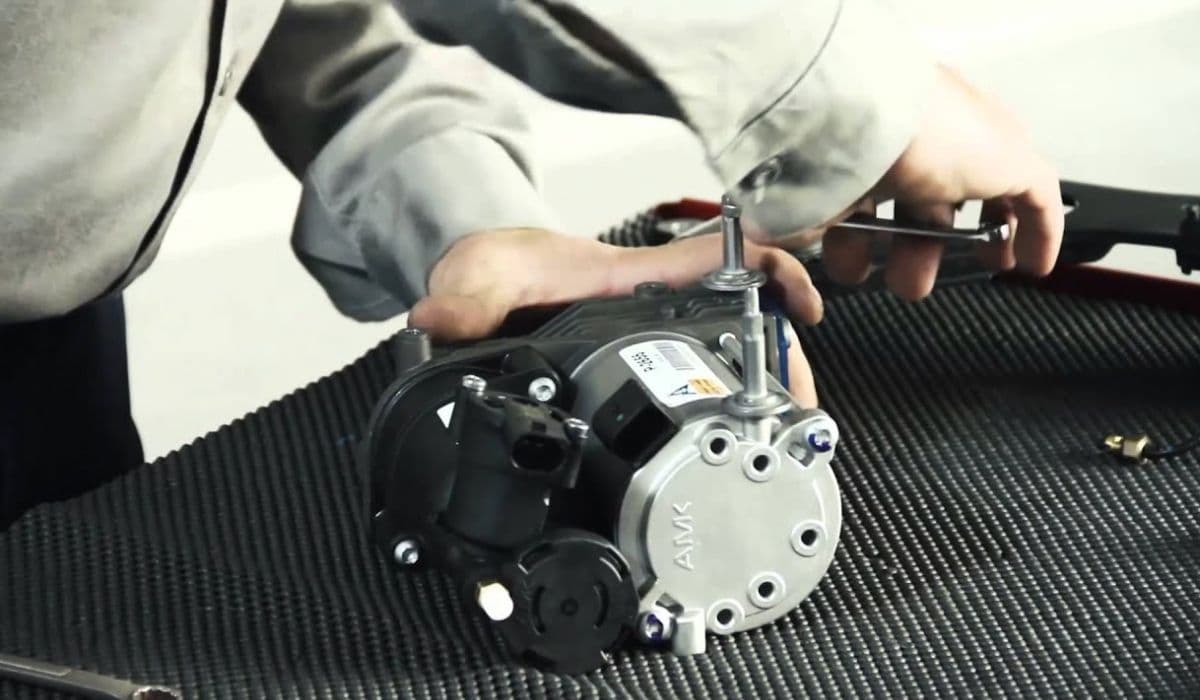
How to fix coil whine in drivetrain (BMW new models)
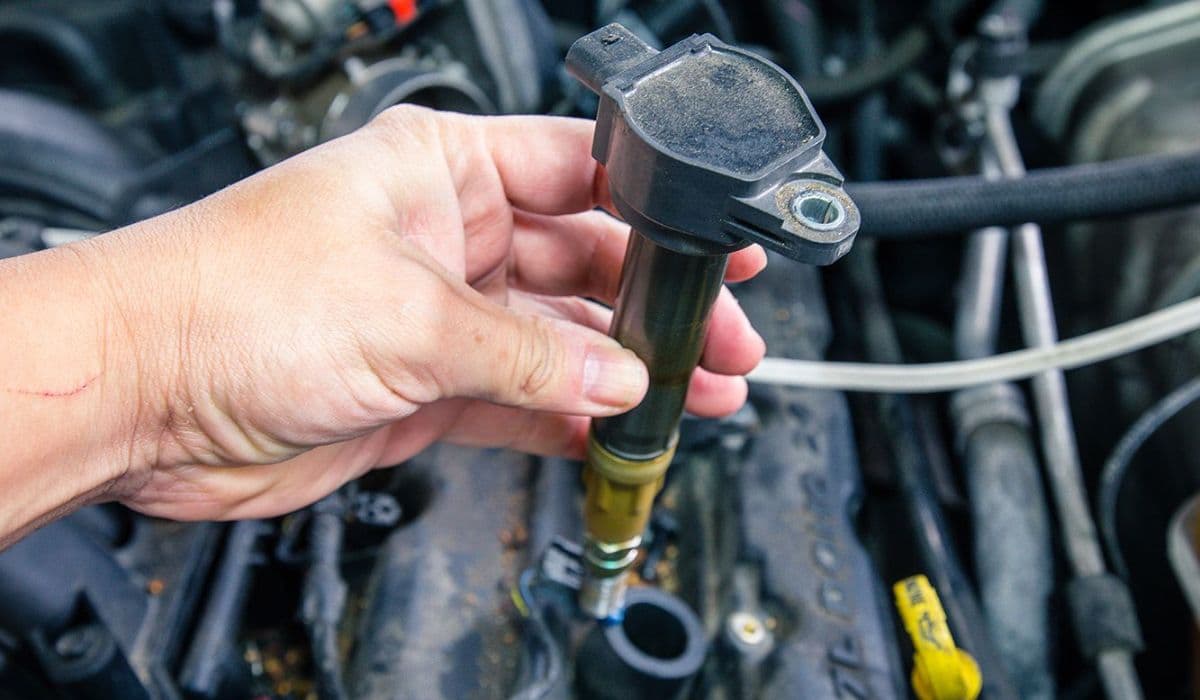
Coil whine in the drivetrain of newer BMW models often catches owners off guard. That high-pitched, almost electronic-sounding hum or whine rises with engine RPM or vehicle speed, sounding more like a computer component than a mechanical part. Unlike traditional gear noise from differentials or transfer cases, this specific whine stems from electromagnetic coils in the drivetrain's electronic controls vibrating under load. It appears more frequently in recent generations with advanced xDrive systems, electronic limited-slip differentials, and sophisticated torque-vectoring setups.
Many drivers first notice it during gentle acceleration, highway cruising, or even coasting down a hill. The good news? It's rarely a sign of imminent failure, and several effective fixes can quiet it down without major disassembly.
Understanding the Root Causes of Drivetrain Coil Whine
Coil whine occurs when electrical current flows through inductors or solenoids in the drivetrain modules. In modern BMWs, these include:
Torque-vectoring actuators in active differentials
Clutch packs in xDrive transfer cases
Electronic control valves for adaptive damping or torque distribution
Under varying loads (acceleration, deceleration, or high RPM), the coils vibrate against their cores, producing that characteristic high-frequency sound. Newer models amplify this due to tighter tolerances and higher electrical demands for precise power delivery.
Other factors that make it worse include:
Low or degraded fluid in the transfer case or differential
Slight manufacturing variations in coil windings
Electrical interference from aftermarket accessories
Operating temperature changes (often louder when cold)
Identifying the exact source is key before attempting fixes.
Step-by-Step Diagnostic Process
Before spending time or money, pinpoint the whine accurately:
Listen carefully while driving — Does the pitch follow engine RPM (engine-related) or road speed (drivetrain)?
Test in neutral — Rev the engine in neutral; if the whine disappears, it's drivetrain-specific.
Check under load — Accelerate gently from a stop; note if it changes during coasting or braking.
Isolate xDrive — In models with xDrive, hold the DSC button for 5+ seconds to disable it temporarily. If the whine vanishes, the transfer case is likely involved.
Inspect fluids — Check transfer case and differential fluid levels and condition for contamination or low volume.
These simple tests narrow down the culprit in minutes.
Proven Methods to Reduce or Eliminate Coil Whine
Here are practical, owner-tested solutions that work on recent BMW models:
Change the transfer case fluid Use the exact BMW-spec fluid. Fresh oil reduces internal friction and damping vibrations in the clutch packs and solenoids. Many owners report 70-90% noise reduction after this simple service.
Flush and refill the rear differential Opt for a high-quality synthetic gear oil with added friction modifiers. This quiets electronic differential actuators by improving lubrication around coils and bearings.
Add damping material Apply specialized damping pads or foam to the underside of the transfer case or differential housing. These absorb vibrations before they reach the cabin.
Update software via dealer BMW occasionally releases ECU updates that adjust solenoid operation timing and current flow. Ask for the latest drivetrain calibration; some updates specifically target whine complaints.
Install aftermarket isolators High-quality rubber mounts or bushings for the driveshaft or transfer case reduce transmitted vibrations. Avoid overly stiff polyurethane unless you're tracking the car.
Check electrical grounds Clean and tighten all drivetrain module grounds. Poor connections amplify coil vibrations.
Drive in different modes Switch to Comfort or Eco Pro mode. Reduced torque-vectoring aggression often quiets the whine without sacrificing much performance.
For stubborn cases, combining fluid changes with software updates yields the best results.
Advanced Fixes for Persistent Whine
If basic steps don't fully silence it:
Solenoid inspection and replacement In rare instances, a specific actuator solenoid may have a manufacturing flaw. Replacement restores silence without changing the entire unit.
Add external damping wraps Wrap the transfer case or differential with vibration-damping sheets (similar to those used in audio equipment). This targets coil vibrations directly.
Professional rebuild For extreme cases, a specialized shop can rebuild the transfer case with upgraded bearings and quieter solenoids.
These advanced options keep the car original while eliminating the annoyance.
Maintenance Tips to Prevent Future Whine
Keep coil whine from returning with these habits:
Service fluids every 30,000-40,000 miles — Fresh fluids prevent buildup that amplifies vibrations.
Avoid mismatched tires — Even slight differences stress xDrive components, increasing whine.
Warm up properly — Let the car reach operating temperature before hard driving.
Monitor for early signs — Address any new hum immediately to avoid escalation.
With regular care, your drivetrain stays quiet and responsive.
More from BMW
How to fix starter-generator loose connection BMW
19.12.2025 16:00
How to fix high-voltage battery shutdown (BMW i4/iX recall)
14.12.2025 14:38
How to replace starter-generator connection BMW
14.12.2025 11:51
How to fix panoramic roof noise or leaks BMW
14.12.2025 07:56
How to fix brake booster vacuum issues BMW
14.12.2025 06:06