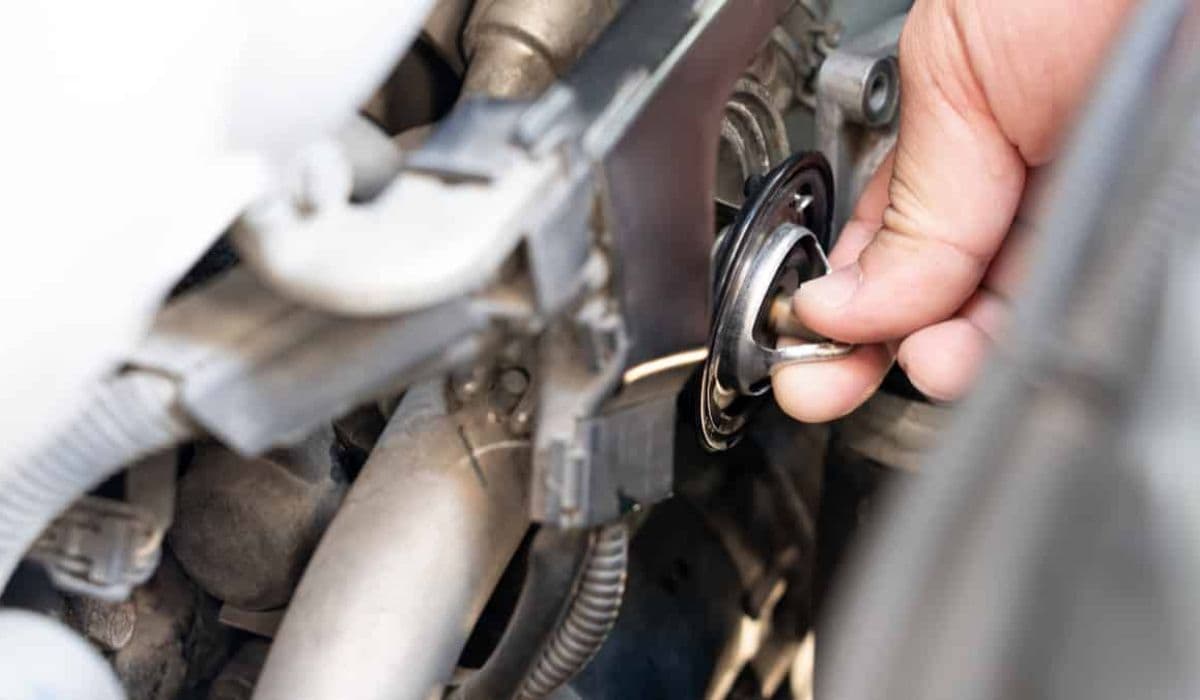
How to fix ADAS camera BMW calibration after windshield
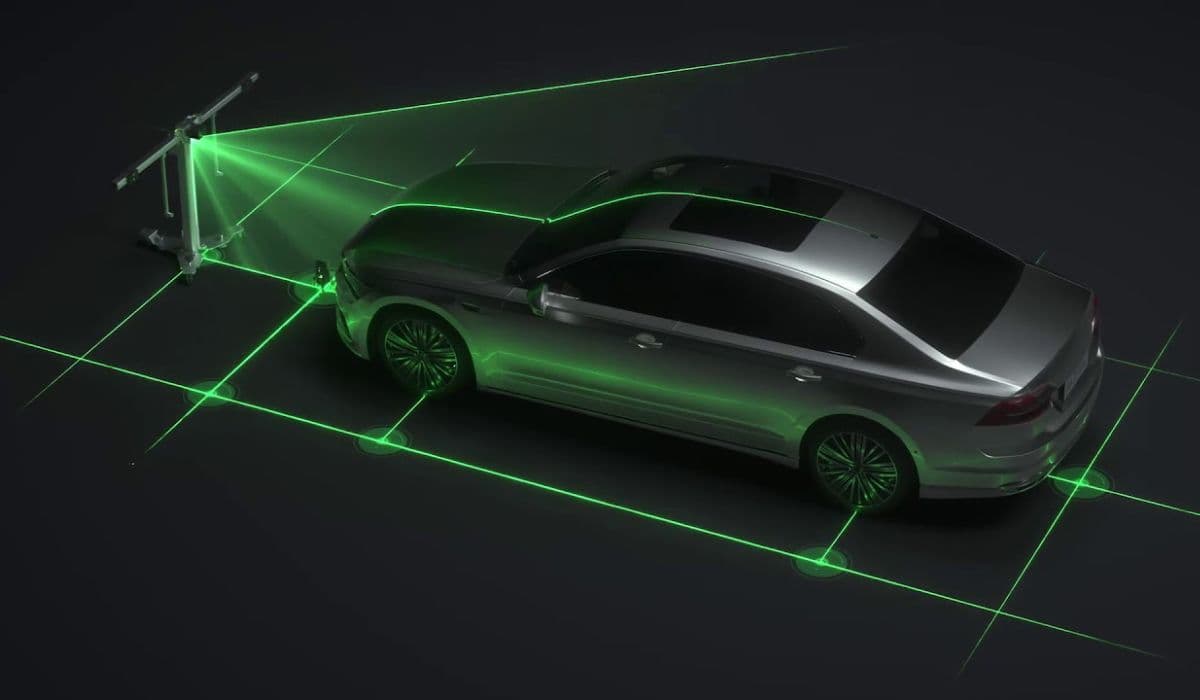
Modern BMW vehicles rely heavily on sophisticated safety technologies integrated into the windshield area. The forward-facing camera, often part of the KAFAS (Camera-based Driver Assistance System), powers essential features that enhance driving confidence and protection. When a windshield is replaced due to cracks, chips, or damage, this camera's precise alignment can shift slightly, disrupting the entire Advanced Driver Assistance Systems (ADAS) suite.
Understanding the calibration process helps BMW owners maintain optimal performance of these intelligent systems. Proper recalibration restores the camera's ability to accurately interpret the road ahead, ensuring seamless operation of critical functions.
Understanding ADAS in BMW Vehicles
BMW's ADAS encompasses a range of innovative features designed to assist drivers and mitigate risks. The core component is the forward-facing camera mounted behind the windshield, near the rearview mirror.
This camera works in tandem with other sensors to deliver:
Lane Departure Warning and Lane Keeping Assist, which detect markings and gently steer or alert if drifting occurs
Forward Collision Warning and Automatic Emergency Braking, identifying potential hazards and reacting swiftly
Adaptive Cruise Control with Stop & Go, maintaining safe distances in traffic
Traffic Sign Recognition, displaying speed limits and other signs
Pedestrian Detection, enhancing awareness in urban environments
These systems transform everyday driving into a more intuitive experience, but their accuracy depends on the camera's exact positioning relative to the vehicle's centerline and the road.
Why Calibration Is Necessary After Windshield Replacement
Replacing a BMW windshield involves removing and reattaching the camera housing. Even minor variations in glass thickness, mounting angle, or adhesive curing can alter the camera's view by fractions of a degree—enough to compromise system reliability.
Without recalibration:
Lane assists might trigger falsely or fail to intervene
Collision warnings could activate unnecessarily or too late
Adaptive cruise might misjudge distances
Overall safety features become less dependable
BMW specifies mandatory recalibration after any windshield work affecting the camera to align with factory tolerances. This step ensures the systems "learn" the new setup, adapting to real-world conditions for peak performance.
Types of ADAS Camera Calibration for BMW
BMW primarily uses dynamic calibration for forward-facing cameras post-windshield replacement, differing from static methods required for radar sensors or bumper-related repairs.
Key differences include:
Dynamic Calibration: Involves driving the vehicle on roads with clear lane markings while connected to diagnostic tools. The system self-adjusts by analyzing real-time data.
Static Calibration: Uses targets and fixtures in a controlled environment, typically for multi-sensor setups or after structural repairs—not standard for pure windshield jobs.
For most BMW models, the process leans toward dynamic, allowing the camera to fine-tune during normal operation.
Step-by-Step Guide to BMW ADAS Camera Calibration
Professional technicians follow precise protocols using BMW-approved diagnostic equipment. The process begins immediately after windshield installation.
Typical steps involve:
Connecting a scan tool to the OBD-II port to initiate calibration mode
Clearing any existing fault codes and performing initial diagnostics
Ensuring vehicle conditions: level ground, proper tire pressures, no modifications to suspension
Starting the calibration sequence via the tool
Conducting a test drive on suitable roads—multi-lane highways with visible markings work best
Driving at recommended speeds (often above 40 mph) for several miles to allow data collection
Monitoring for completion signals, with the system storing new parameters
Verifying functionality through post-drive scans and real-world tests
The entire procedure emphasizes precision, as the camera adapts to subtle nuances in its new position.
Common Issues and Troubleshooting
Skipping or improperly performing calibration can lead to noticeable problems in BMW vehicles.
Frequent symptoms include:
Dashboard warnings for driver assistance systems
Erratic lane keeping behavior or delayed responses
Inaccurate speed sign readings
Reduced effectiveness in adaptive cruising
Persistent error messages even after clearing codes
Troubleshooting often reveals underlying factors like dirty lenses, extreme weather interference, or unaddressed alignment needs. Addressing these promptly restores full capability.
Professional vs. DIY Considerations
While some vehicle brands allow partial self-calibration, BMW's process requires specialized tools and access to proprietary software. Attempting it without proper equipment risks incomplete adaptation or voided warranties.
Certified BMW service centers or qualified auto glass specialists with ADAS expertise handle the task reliably. They ensure compliance with manufacturer guidelines, providing peace of mind through documented completion.
Maintaining ADAS Performance Long-Term
Post-calibration, regular maintenance supports sustained accuracy.
Helpful practices include:
Keeping the windshield and camera area clean from debris or residue
Checking for software updates during routine services
Monitoring tire wear and alignment, as changes affect camera perspective
Avoiding aftermarket modifications that alter ride height
These habits preserve the sophisticated interplay between hardware and software, keeping BMW's ADAS at its innovative best.
More from BMW
BMW: How to replace door handle carrier (interior melt)
20.12.2025 09:55
BMW: How to replace front lower control arms
20.12.2025 09:48
How to fix infotainment curved display glitches BMW
20.12.2025 09:44
BMW: How to replace starter motor (fire risk recall)
20.12.2025 09:41
How to fix transfer case failure (BMW X5 common 9K repair)
20.12.2025 09:38