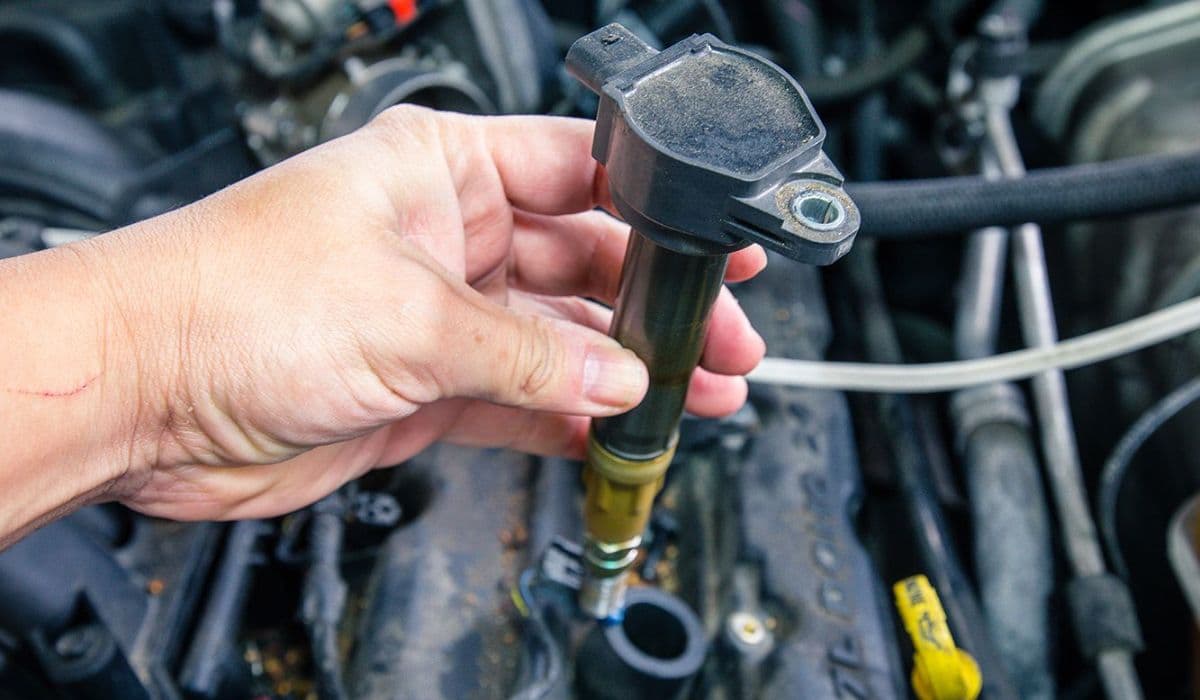
How to fix overheating from faulty thermostat housing BMW
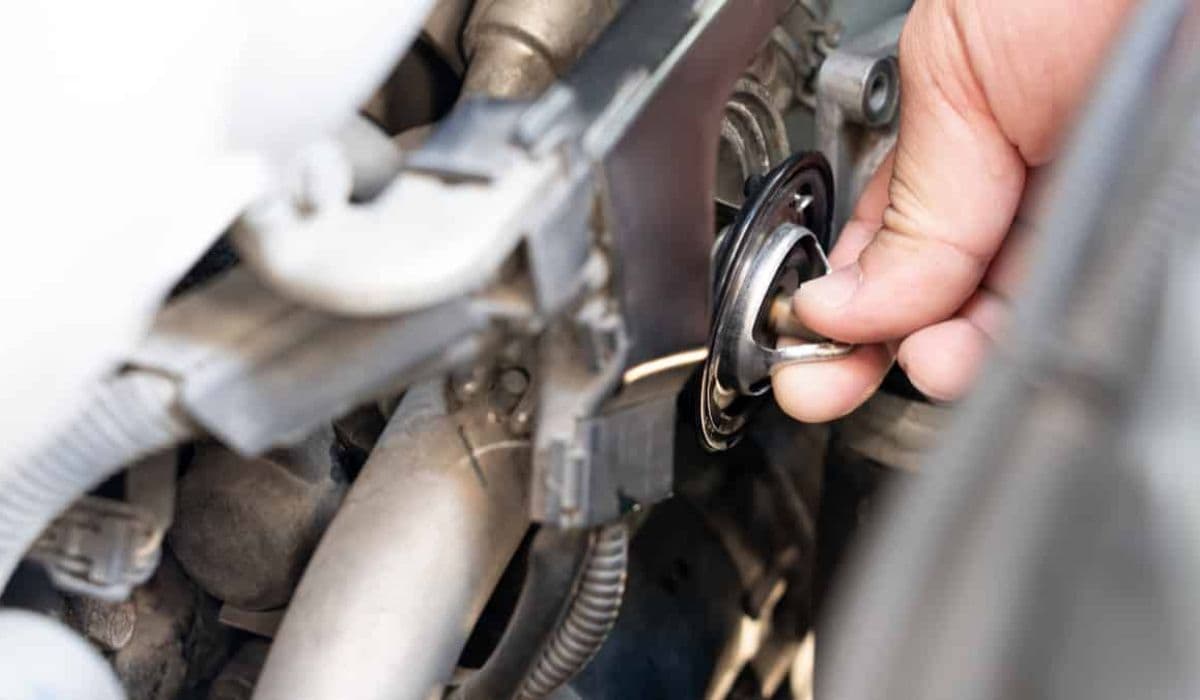
BMW engines are renowned for their precision engineering and exhilarating performance, but the cooling system can sometimes become a source of frustration, particularly when overheating strikes. One frequent culprit behind this issue is a faulty thermostat housing. Often made from plastic in many models, this component integrates the thermostat and connects vital coolant hoses. Over time, heat cycles and material fatigue can lead to cracks, warps, or gasket failures, resulting in coolant leaks and restricted flow that trigger overheating.
Understanding the role of the thermostat housing is key to appreciating why it fails so commonly in BMWs. The thermostat itself regulates coolant circulation, opening to allow flow to the radiator when the engine reaches operating temperature. The housing seals this mechanism to the engine block, ensuring no leaks disrupt pressure or volume. When the housing degrades, even minor cracks can cause significant coolant loss, air ingress, or improper thermostat operation, pushing the engine into dangerous high-temperature territory.
Recognizing Symptoms of a Faulty Thermostat Housing
Early detection can prevent costly engine damage, such as warped heads or blown gaskets. Watch for these telltale signs that point to thermostat housing issues:
Rapid temperature gauge spikes, especially during highway driving or idling.
Visible coolant puddles under the engine bay, often with a sweet smell.
Steam or hissing sounds from the front of the engine.
Fluctuating cabin heater performance, as coolant flow becomes inconsistent.
Warning lights or error codes related to coolant temperature or map-controlled cooling.
White residue or staining around the housing base where it mounts to the block.
These symptoms often worsen in hot weather or under load, as pressure builds in the compromised system. Plastic housings are especially prone to cracking at hose connections or the mounting flange due to thermal expansion.
Common Causes of Thermostat Housing Failure in BMW Engines
BMW's use of plastic for thermostat housings prioritizes weight reduction and cost, but it comes with drawbacks. Exposure to repeated heating and cooling cycles makes the material brittle, leading to hairline fractures that start small but expand rapidly.
Other contributing factors include:
Age and mileage, as seals and o-rings harden over time.
Contaminated or old coolant that accelerates corrosion and degradation.
Overpressurization from other cooling system faults, like a failing water pump.
Improper past repairs, such as overtightened bolts warping the flange.
Manufacturing tolerances in some aftermarket parts that fail prematurely.
In inline-six engines like the N52 or N54, the housing's location exposes it to extreme temperatures, making proactive inspection a smart habit for owners.
Diagnosing the Problem Accurately
Before diving into repairs, confirm the thermostat housing is indeed at fault. Start with a visual inspection under the hood—look for dampness, crusty deposits, or obvious cracks around the housing.
More thorough checks involve:
Pressure testing the cooling system to reveal hidden leaks.
Scanning for diagnostic trouble codes, which often flag thermostat-related issues.
Monitoring live data for erratic temperature readings or slow warm-up.
Checking hose temperatures: the upper radiator hose should warm up evenly once the thermostat opens.
Inspecting coolant condition for discoloration or oil contamination indicating broader problems.
Rule out related components like the electric water pump or radiator fan, as they can mimic housing failures. A faulty housing often shows leaks directly at its seams or base.
Step-by-Step Guide to Replacing the Thermostat Housing
Replacing the thermostat housing is a manageable DIY task for those with basic tools and mechanical confidence. In many BMWs, the thermostat is integrated into the housing, so the entire assembly is swapped as one unit. Always work on a cold engine to avoid burns.
Preparation steps:
Park on a level surface and disconnect the battery negative terminal.
Drain coolant from the radiator petcock into a clean container for reuse if fresh.
Gather tools: sockets, torque wrench, pliers, and fresh BMW-spec coolant.
Removal process:
Disconnect the electrical connector at the top of the housing by releasing the clip.
Carefully detach coolant hoses—use pliers on clamps and twist gently to break seals.
Remove mounting bolts evenly to avoid warping the engine flange.
Gently pry the old housing free, cleaning any old gasket material thoroughly.
Installation tips:
Align the new housing precisely, ensuring the thermostat orientation matches the original (often marked with an arrow).
Use a fresh gasket or o-ring as supplied—avoid extra sealants unless specified.
Torque bolts in a crisscross pattern to manufacturer specs for even sealing.
Reconnect hoses securely and the electrical plug.
Refill with proper coolant mixture.
The key to success lies in meticulous cleaning of mating surfaces and proper torquing to prevent future leaks.
Bleeding the Cooling System to Prevent Air Pockets
Air trapped after replacement is a common cause of persistent overheating. BMW systems require careful bleeding to ensure full circulation.
Effective methods include:
Filling the expansion tank slowly with the front of the car elevated.
Running the engine with the heater on max until the fan cycles multiple times.
Using the bleed screw near the tank to release trapped air bubbles.
Monitoring for steady temperature and topping up as needed.
Some models benefit from diagnostic tool activation of the electric pump during bleeding. Patience here pays off—rushed jobs often lead to hot spots and false overheating alarms.
Preventive Maintenance for Long-Term Reliability
Keeping the cooling system healthy extends beyond one repair. Adopt these habits to minimize future thermostat housing troubles:
Flush and replace coolant at recommended intervals to prevent acidic buildup.
Inspect hoses and the housing visually during oil changes.
Address minor leaks immediately before they escalate.
Consider upgraded aluminum housings in high-mileage vehicles for added durability.
Monitor driving conditions—avoid prolonged idling in extreme heat.
A well-maintained BMW cooling system rewards with reliable performance and avoids the dread of roadside breakdowns.
By tackling a faulty thermostat housing promptly and thoroughly, you restore smooth operation and protect your engine's longevity. These precision machines thrive on attention to detail, turning potential headaches into satisfying victories for attentive owners.
More from BMW
BMW: How to replace front lower control arms
20.12.2025 09:48
How to fix infotainment curved display glitches BMW
20.12.2025 09:44
BMW: How to replace starter motor (fire risk recall)
20.12.2025 09:41
How to fix transfer case failure (BMW X5 common 9K repair)
20.12.2025 09:38
How to replace brittle plastic radiator sensor BMW
20.12.2025 09:10