How to replace run-flat tires and reset TPMS BMW
Run-flat tires represent one of the most practical innovations in modern automotive design, allowing BMW drivers to continue traveling safely for a limited distance even after a puncture. These reinforced sidewall tires eliminate the immediate need for a spare wheel in many models, preserving trunk space and reducing weight. However, when the time comes for replacement—due to wear, damage, or a desire to switch to conventional tires—the process requires careful attention to detail. BMW vehicles pair these tires with an advanced Tire Pressure Monitoring System (TPMS) that must be properly reset afterward to avoid persistent warnings and ensure accurate monitoring.
Replacing run-flat tires involves both mechanical precision and system recalibration. While professional installation at a tire specialist or BMW service center remains the recommended route for most owners, understanding the steps empowers you to make informed decisions and handle straightforward aspects yourself.
Understanding Run-Flat Tires in BMW Vehicles
Run-flat tires feature extra-stiff sidewalls and reinforced bead areas that support the vehicle's weight even when air pressure drops to zero. This construction maintains rim stability during low-pressure driving, typically enabling continued travel up to 50 miles at reduced speeds.
BMW extensively equips models with run-flats to enhance convenience and safety, especially in performance-oriented lines. The system integrates seamlessly with the car's electronics, where TPMS sensors constantly relay pressure data. When replacing tires, mismatched handling or unreset systems can trigger dashboard alerts, reduced fuel efficiency readings, or unnecessary caution.
Many enthusiasts explore switching to non-run-flat options for improved ride comfort, lower road noise, and potentially better handling dynamics. The stiffer construction of run-flats transmits more vibrations, while conventional tires often deliver a smoother, quieter experience on everyday roads.
Preparation Before Starting the Replacement
Successful tire replacement begins with thorough preparation:
Park on a flat, stable surface away from traffic.
Engage the parking brake and place wheel chocks behind or in front of the opposite wheels.
Gather essential tools: hydraulic jack (BMW-compatible), lug wrench or torque wrench, wheel brace, and safety stands.
Verify the correct tire specifications from your door jamb placard or owner's manual—size, load index, speed rating, and whether run-flats remain required.
Check if your model includes a space-saver spare or mobility kit; many run-flat equipped BMWs omit a full spare.
Measure current tread depth and inspect for uneven wear patterns that might indicate alignment or suspension issues.
Proper cold inflation pressure matters greatly—always set pressures when tires are cool for baseline accuracy.
Step-by-Step Guide to Replacing Run-Flat Tires
Removing and installing tires demands care to avoid damaging the wheel or tire bead, especially with run-flats' rigid sidewalls.
Loosen the lug nuts while the wheel remains on the ground—turn them counterclockwise about half a turn each using a cross-pattern sequence.
Lift the vehicle securely using the designated jack points (usually marked under the sill or in the manual). Support with sturdy jack stands—never rely solely on the jack.
Remove the wheel completely after fully loosening the lugs.
Deflate the old tire if not already flat, then break the bead seal carefully (professionals use specialized machines to avoid rim scratches).
Dismount the old tire from the rim—run-flats require extra force due to reinforced construction; avoid levering directly against the wheel lip.
Mount the new tire ensuring proper bead seating and directional arrow alignment if applicable. Lubricate beads lightly for easier installation.
Inflate gradually while checking bead seating—listen for the characteristic "pop" as beads snap into place.
Balance the wheel dynamically to eliminate vibrations at highway speeds.
Reinstall the wheel hand-tightening lugs first, then lower the vehicle and torque to factory specification (typically 88–103 ft-lbs depending on model) in a star pattern.
Repeat for each tire, working one at a time to maintain stability.
Special Considerations When Switching to Non-Run-Flat Tires
Opting for conventional tires brings noticeable benefits but requires planning:
Ride quality often improves dramatically with reduced harshness over bumps and potholes.
Interior noise levels drop, creating a more refined cabin environment.
Without run-flat capability, carry a compact spare, jack, and tools—or invest in a reliable tire repair kit and roadside assistance plan.
Verify compatibility—most BMWs accept non-run-flats without issues, though some performance models prefer run-flats for optimal handling.
Monitor driving behavior after the change; initial differences in steering response and feedback feel exciting yet require adaptation.
How the BMW TPMS Works and Why Resetting Is Essential
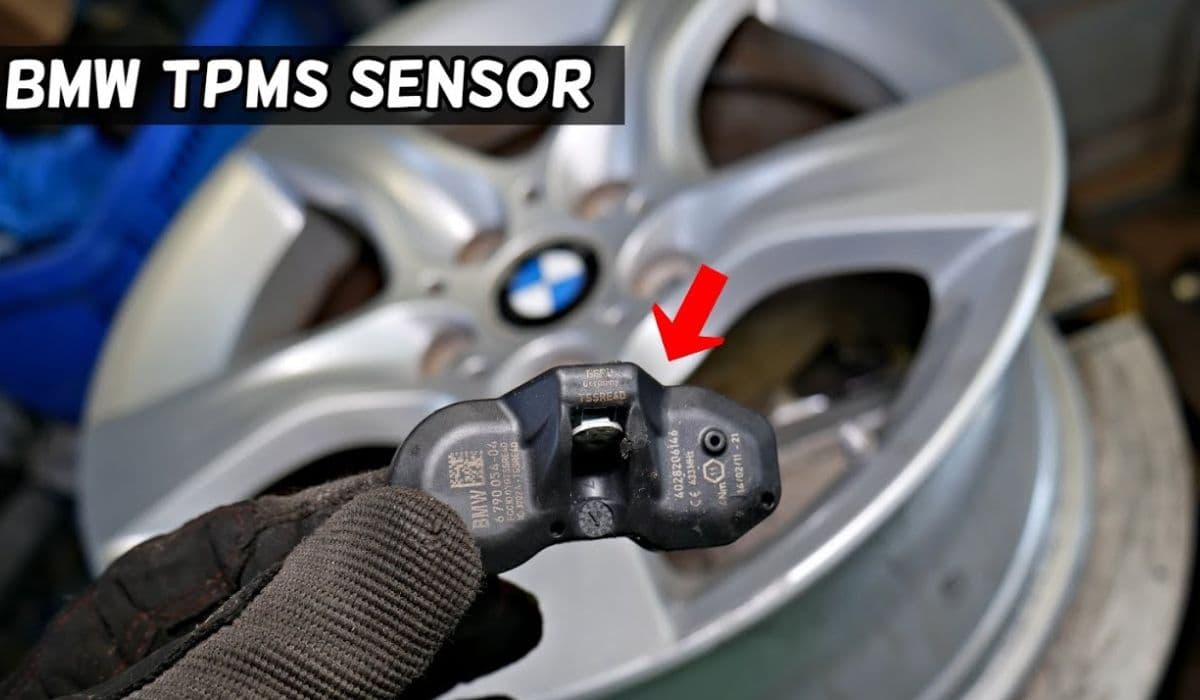
BMW TPMS uses direct sensors in each wheel transmitting real-time pressure and temperature data to the central module. The system detects deviations and alerts the driver via iDrive or warning lights.
After tire replacement, rotation, or pressure adjustment, the baseline values shift. Without reset, the system may:
Display constant low-pressure warnings despite correct inflation.
Show malfunction messages.
Fail to provide accurate individual tire readings.
Resetting recalibrates the reference points, ensuring reliable operation and preventing false alarms during temperature fluctuations or long drives.
Step-by-Step Process to Reset TPMS After Tire Replacement
Modern BMWs feature user-friendly reset procedures through iDrive, varying slightly by generation but following similar logic.
Start the engine (ignition on suffices in some models).
Access the iDrive main menu and navigate to "My Vehicle" or "Car."
Select "Vehicle status" followed by "Tire Pressure Monitor" (or "TPM").
Choose "Perform reset," "Reset," or "Initialize" (wording depends on iDrive version).
Confirm the action—some systems prompt verification.
Inflate all tires to the recommended cold pressure listed on the door placard.
Drive the vehicle at moderate speeds (above 20 mph) for 5–20 minutes, including gentle turns to help the system learn sensor positions.
The warning light typically extinguishes once recalibration completes. In newer iDrive versions, select tire type (summer/all-season/winter) if prompted for enhanced accuracy.
If the reset option appears grayed out, double-check pressures, ensure no sensor damage occurred during mounting, and drive further. Persistent issues may indicate a need for professional diagnostics.
Common Challenges and Troubleshooting Tips
Occasional hurdles arise during the process:
TPMS light remains illuminated—extend drive time or reattempt reset after confirming even pressures.
Uneven tire wear post-installation—schedule alignment check.
Vibration at certain speeds—rebalance wheels or inspect for proper seating.
iDrive menu variations—consult model-specific resources if navigation differs.
Patience during the learning drive prevents frustration; the system needs real-world data to finalize calibration.
Mastering run-flat tire replacement and TPMS reset enhances ownership confidence. The procedure combines mechanical know-how with digital interaction, reflecting BMW's blend of engineering precision and driver-centric technology. Regular maintenance keeps the system reliable, ensuring every journey remains safe and composed.
More from BMW
How to fix electronic steering rack clunk BMW
13.12.2025 13:35
How to fix crankcase ventilation (PCV) valve heater BMW
13.12.2025 13:13
How to replace IBS battery sensor false errors BMW
13.12.2025 13:06
How to fix adaptive headlight malfunction (AHL errors) BMW
13.12.2025 13:00
How to replace control arm bushings (front thrust arms) BMW
13.12.2025 12:55