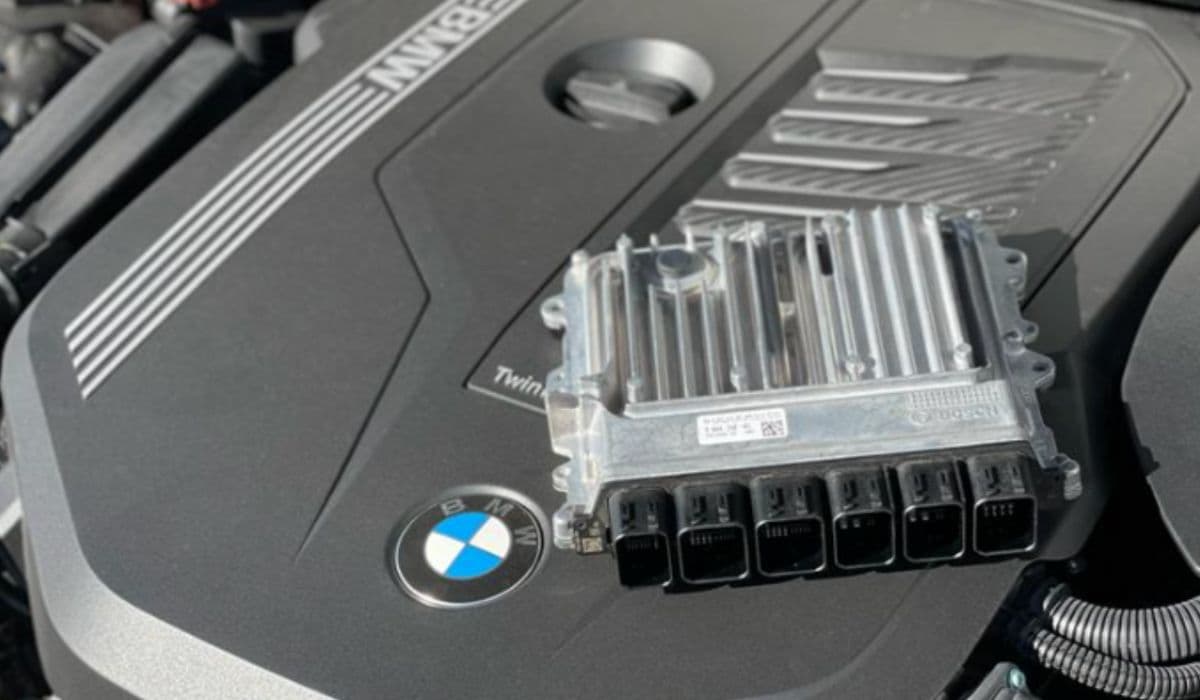
How to fix crankcase ventilation (PCV) valve heater BMW
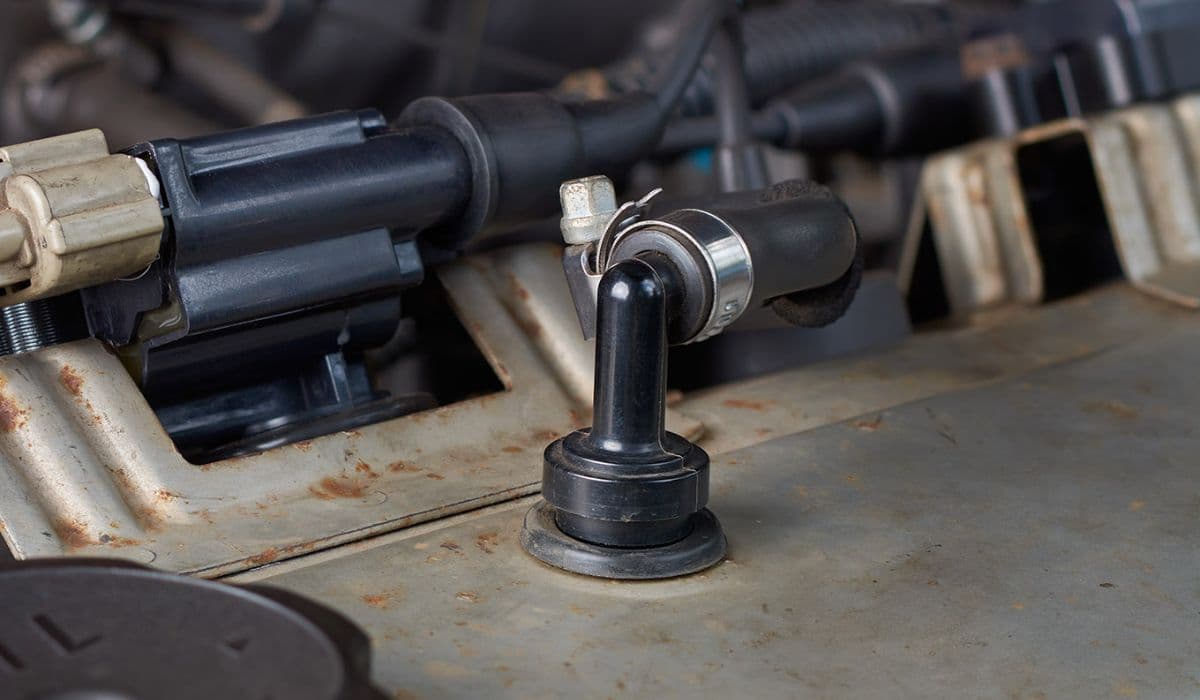
The crankcase ventilation system, commonly referred to as the PCV or CCV system in BMW vehicles, plays a critical role in engine health. It recycles blow-by gases from the crankcase back into the intake manifold for combustion, reducing emissions and preventing pressure buildup that could damage seals or gaskets. In many modern BMW engines, particularly turbocharged models like the N20, N55, and B48 series, the PCV system includes an electrically heated element on the breather hose or valve area.
This PCV valve heater prevents condensation and freezing of moisture in the ventilation lines during cold weather. Without proper heating, ice can form, blocking ventilation and leading to performance issues or even safety concerns. When the heater fails, it often manifests as electrical faults, poor cold-start behavior, or in extreme cases, overheating of components.
Understanding how to diagnose and repair this heater can save time, restore smooth operation, and avoid cascading engine problems.
Why the PCV Valve Heater Matters in BMW Engines
BMW designs its crankcase ventilation with reliability in mind, but the heater addresses a specific challenge: in sub-zero temperatures, moisture from combustion blow-by can condense and freeze inside the hoses or valve. The heater element—typically a small PTC (positive temperature coefficient) resistor—warms the breather path when the engine is cold.
A functioning heater ensures:
Consistent crankcase pressure regulation
Prevention of oil sludge buildup
Optimal air-fuel mixture by avoiding unmetered air leaks
Reduced risk of oil contamination in the intake
When the heater stops working, the system may draw excessive oil vapor, trigger check engine lights, or cause drivability complaints that seem unrelated at first glance.
Common Symptoms of a Faulty PCV Valve Heater
Recognizing failure early prevents more extensive damage. Here are the most frequent signs:
Check engine light with codes related to PCV heater control circuit (open, short, or performance issues)
Rough idle or stalling, especially during cold starts
Increased oil consumption without visible external leaks
Whistling or hissing sounds from the engine bay under load
White or blue-ish smoke from the exhaust (indicating oil burning)
Reduced engine performance in freezing conditions
Visible melting, discoloration, or burning smell near the breather hose (in severe cases)
These symptoms often overlap with general PCV diaphragm failures, but the heater-specific issue frequently ties to electrical faults rather than mechanical diaphragm rupture.
Diagnosing PCV Valve Heater Problems
Proper diagnosis separates heater failure from other PCV issues. Follow these steps systematically:
Scan for diagnostic trouble codes using a BMW-compatible tool. Look for heater circuit faults.
Visually inspect the breather hose and heater element location—usually integrated into the PCV hose near the valve cover or turbo inlet area.
Check electrical connections for corrosion, loose pins, or melted plastic.
Test power supply: With the key on or engine running (cold), verify 12V at the heater connector using a multimeter.
Measure resistance across the heater terminals. A good element typically shows low resistance (several ohms to tens of ohms); infinite resistance indicates an open circuit, while very low suggests a short.
Observe behavior in cold conditions—if symptoms worsen below freezing but improve when warm, the heater is likely at fault.
Perform a smoke test on the crankcase system to rule out leaks elsewhere.
These checks take minimal time and pinpoint whether replacement is necessary.
Tools and Preparation for Repair
Gather these items before starting:
Basic hand tools (sockets, ratchets, screwdrivers, pliers)
Multimeter for electrical testing
Torque wrench for precise reassembly
Replacement PCV heater (or complete breather hose assembly if integrated)
Dielectric grease for connectors
Shop rags and gloves
Work in a well-ventilated area with the engine cool. Disconnect the battery negative terminal to avoid electrical shorts.
Step-by-Step Guide to Replacing the PCV Valve Heater
Replacement varies slightly by engine (N20/N26 vs N55/B48), but the process follows similar principles.
Locate the component: Trace the crankcase breather hose from the valve cover to the intake. The heater often appears as a wrapped section or inline element with a two-pin electrical connector.
Disconnect the electrical plug carefully—press the release tab and pull straight.
Remove any retaining clips or zip ties securing the hose.
Loosen clamps on both ends of the affected hose section if the heater is inline.
Gently pull the old heater or hose assembly free. Note orientation for reinstallation.
Compare the new part to the old one for exact match.
Install the replacement, ensuring secure connections and proper routing to avoid kinks.
Reconnect the electrical plug—apply dielectric grease if available.
Secure all clamps and ties.
Reconnect the battery and clear any stored codes.
Start the engine and monitor for leaks, unusual noises, or recurring faults.
The job typically takes 30-90 minutes depending on access and experience.
Tips for Preventing Future PCV Heater Issues
Proactive care extends component life:
Inspect breather hoses during routine oil changes for cracks or oil residue.
Use high-quality oil that resists sludge formation.
Address any oil leaks promptly to reduce moisture in the system.
In regions with harsh winters, consider earlier checks of the ventilation system.
Keep electrical connections clean and protected from road salt corrosion.
Regular attention keeps the system reliable year-round.
More from BMW
How to replace IBS battery sensor false errors BMW
13.12.2025 13:06
How to fix adaptive headlight malfunction (AHL errors) BMW
13.12.2025 13:00
How to replace control arm bushings (front thrust arms) BMW
13.12.2025 12:55
How to fix charge pipe failure on tuned BMW M3/M4
13.12.2025 12:49
How to replace transfer case actuator BMW (xDrive grinding noise)
13.12.2025 08:45