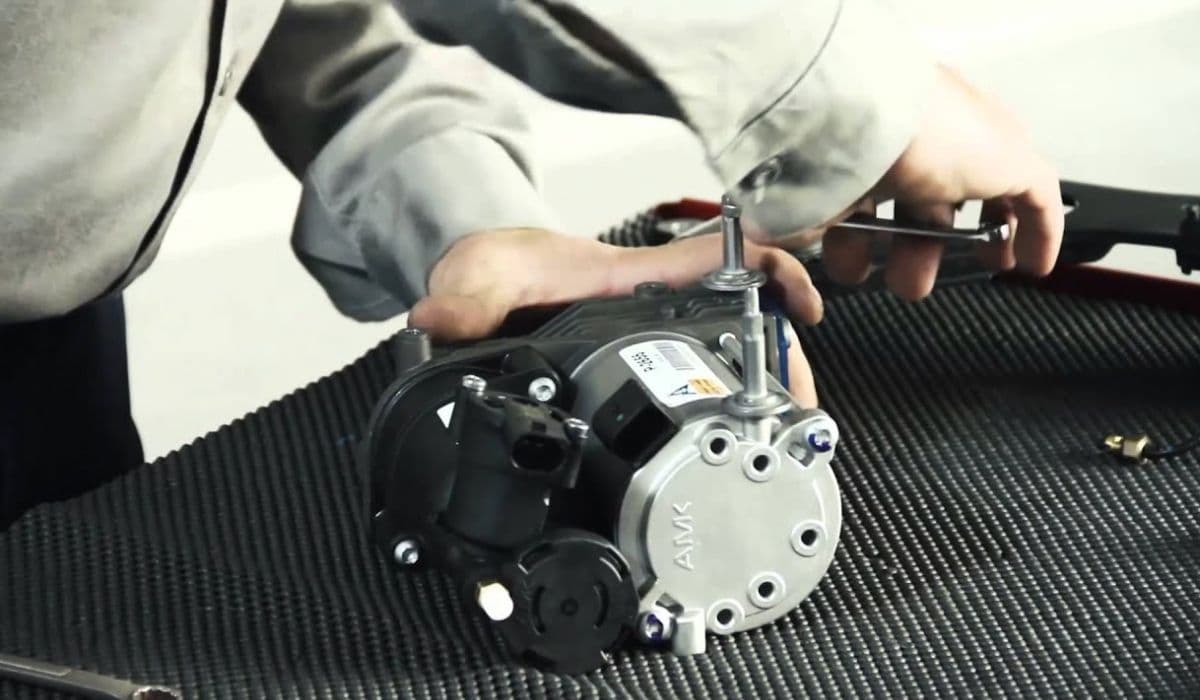
How to fix DME failure in new BMW M340i
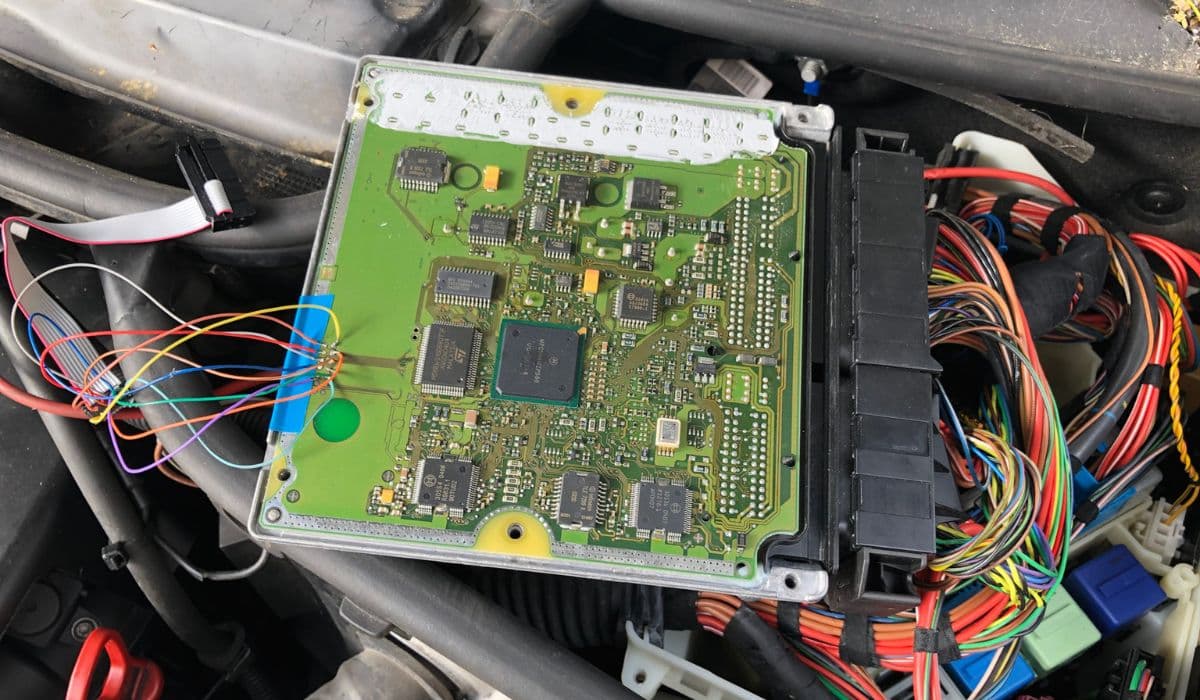
The BMW M340i delivers thrilling performance with its powerful B58 turbocharged inline-six engine, blending everyday drivability with track-capable dynamics. At the heart of this setup is the Digital Motor Electronics (DME), the sophisticated engine control module that acts as the brain, precisely managing fuel injection, ignition timing, turbo boost, and emissions systems. When the DME encounters issues, especially in newer models, it can disrupt the entire driving experience, leading to frustrating warnings or even preventing the car from starting. Understanding these problems and addressing them promptly keeps your M340i running at its peak.
Understanding the DME in the BMW M340i
The DME, also known as the engine control unit (ECU), processes data from dozens of sensors to optimize engine performance in real-time. In the M340i, it handles complex tasks like variable valve timing, direct injection, and integration with the vehicle's other modules via the CAN bus network. Modern DMEs are highly advanced but sensitive to electrical anomalies, manufacturing variances, or environmental factors.
In newer M340i models, DME issues have surfaced occasionally, sometimes linked to power supply irregularities or internal faults. These can manifest early, highlighting the importance of monitoring dashboard warnings and responding quickly to maintain the car's reliability and performance edge.
Common Symptoms of DME Failure
Recognizing early signs of DME trouble allows for timely intervention before a complete breakdown. Symptoms often start subtly but escalate if ignored.
Illuminated check engine light with specific codes related to internal DME errors, communication faults, or processor issues.
Drivetrain malfunction warnings appearing on the iDrive screen, often accompanied by reduced power output.
Unusual noises, such as high-frequency coil whines from the engine bay.
Power supply malfunction messages, indicating voltage irregularities affecting the module.
Difficulty starting the engine, including extended cranking or complete no-start conditions.
Rough idling, misfires across multiple cylinders, or unexpected stalling during operation.
Reduced acceleration and overall performance limp mode to protect the engine.
These indicators can mimic other issues, like sensor failures or battery problems, making accurate diagnosis essential.
Causes Behind DME Issues in the M340i
DME failures stem from various sources, particularly in high-performance setups like the M340i.
Manufacturing defects in the module itself, leading to premature internal circuit breakdowns.
Voltage spikes or unstable power supply from the electrical system overwhelming sensitive components.
Heat buildup in the engine bay degrading solder joints or electronics over time.
Moisture intrusion or corrosion if seals around the electronics box fail.
Communication errors between the DME and other control units, such as the body gateway module.
Rare software glitches that disrupt normal operation until updated.
In brand-new vehicles, these often point to isolated component faults rather than widespread wear, emphasizing the value of thorough factory diagnostics.
Step-by-Step Diagnosis Process
Diagnosing DME problems requires precision tools and expertise to avoid misdiagnosis.
Begin with a full system scan using BMW-specific software like ISTA or compatible OBD-II scanners capable of reading manufacturer codes.
Check for stored fault codes in the DME, focusing on those indicating internal faults, memory errors, or missing communications.
Inspect battery voltage and charging system health, as low or fluctuating power can trigger symptoms.
Verify grounds and wiring harness connections for corrosion or looseness.
Monitor live data for inconsistencies in sensor readings or injector/ignition signals.
Test power and ground supplies directly at the DME connectors with a multimeter.
If possible, attempt DME reprogramming or adaptation resets through diagnostic tools.
Professional technicians often consult BMW engineering support for complex cases, ensuring the root cause is identified accurately.
Repair and Replacement Options
Once confirmed, addressing DME failure involves targeted solutions tailored to the severity.
For software-related glitches, a simple update or reprogramming can restore full functionality.
Minor internal faults may allow for professional repair services that rebuild the module, preserving original coding.
In most cases, especially manufacturing defects, replacement with a new unit is recommended for long-term reliability.
The new DME must be coded and adapted to the vehicle using specialized tools to match VIN, immobilizer, and other parameters.
After installation, perform adaptation procedures for components like throttle body, VANOS, and injectors.
Clear all fault memories and road test to verify smooth operation across driving modes.
Specialized BMW shops or dealerships handle the coding process seamlessly, getting the M340i back to its responsive best.
Preventing Future DME Problems
While some failures are unavoidable, proactive habits extend the DME's lifespan and protect the engine ecosystem.
Regularly maintain the charging system, including battery tests and alternator checks.
Avoid jump-starting incorrectly or using incompatible chargers that could send voltage surges.
Keep the electronics box dry and inspect for any signs of water entry after heavy rain or washing.
Address warning lights immediately rather than clearing codes without investigation.
Use high-quality fuel and adhere to service intervals to minimize stress on engine components.
Consider protective measures like heat shielding in modified setups.
These steps help safeguard the sophisticated electronics that make the M340i such an engaging drive.
Owning a new BMW M340i means enjoying cutting-edge technology, but staying informed about potential DME challenges ensures uninterrupted performance. With proper diagnosis and care, these issues become manageable hurdles rather than major setbacks.
More from BMW
How to fix high-voltage battery shutdown (BMW i4/iX recall)
14.12.2025 14:38
How to replace starter-generator connection BMW
14.12.2025 11:51
How to fix panoramic roof noise or leaks BMW
14.12.2025 07:56
How to fix brake booster vacuum issues BMW
14.12.2025 06:06
How to replace 12V battery and register it (2025 BMW X5/iX issues)
14.12.2025 03:36