How to fix high-voltage battery shutdown (BMW i4/iX/i7)
High-voltage battery shutdown in BMW's electric vehicles like the i4, iX, and i7 represents a protective mechanism designed to safeguard the vehicle's electrical systems from potential damage. This issue manifests as sudden power loss, dashboard warnings indicating drivetrain errors, or complete vehicle immobilization. In these models, the high-voltage system powers the electric motors and manages energy distribution from the battery pack, which operates at voltages exceeding 400 volts. When the system detects anomalies—such as irregular voltage readings, thermal imbalances, or communication faults—it initiates a shutdown to prevent overheating, short circuits, or battery degradation.
Owners often report this problem during normal driving, charging sessions, or after prolonged idling. For instance, the BMW i4 might display a "High-Voltage System Deactivated" message in diagnostic mode, while the iX could show intermittent yellow alerts related to the battery supervision circuit. In the i7, symptoms might include abrupt power cuts that feel like the car is stalling, accompanied by error codes stored in the vehicle's onboard computer. These shutdowns can stem from transient glitches or more persistent hardware failures, and addressing them promptly is crucial to avoid stranding or long-term battery health issues.
The high-voltage battery in these BMW models consists of multiple cell modules arranged in a pack, with integrated cooling systems, sensors, and management electronics. A shutdown isn't always a sign of catastrophic failure; it could be a precautionary response to minor discrepancies in cell voltages or temperatures. However, ignoring repeated occurrences can lead to escalated problems, such as uneven cell wear or reduced driving range. BMW's engineering emphasizes safety, so the system errs on the side of caution, but this can frustrate drivers expecting seamless performance from their premium EVs.
Common Causes of Shutdown in BMW Electric Models
Several factors contribute to high-voltage battery shutdowns in the BMW i4, iX, and i7, ranging from software anomalies to physical component failures. One prevalent cause is faults in the battery management system (BMS), which monitors cell health, charge levels, and temperature. In the i4, for example, the BMS might misread charge states due to a faulty module, triggering an emergency power cut to protect the drivetrain. Similarly, in the iX, issues with the supervision circuit—responsible for overseeing high-voltage operations—can lead to error messages and shutdowns, often requiring the entire battery pack to be inspected.
Hardware-related problems are also common, particularly with cell modules that may have been improperly assembled during manufacturing. This has been highlighted in recalls affecting 2022-2025 models, where stress on the module frames could cause failures, resulting in sudden loss of drive power. For the i7, defective cell sensors might provide inaccurate data, prompting the system to shut down as a safeguard. Overheating plays a role too; if the cooling system's water pump fails, as reported in some iX cases, the battery temperature rises, forcing a protective deactivation.
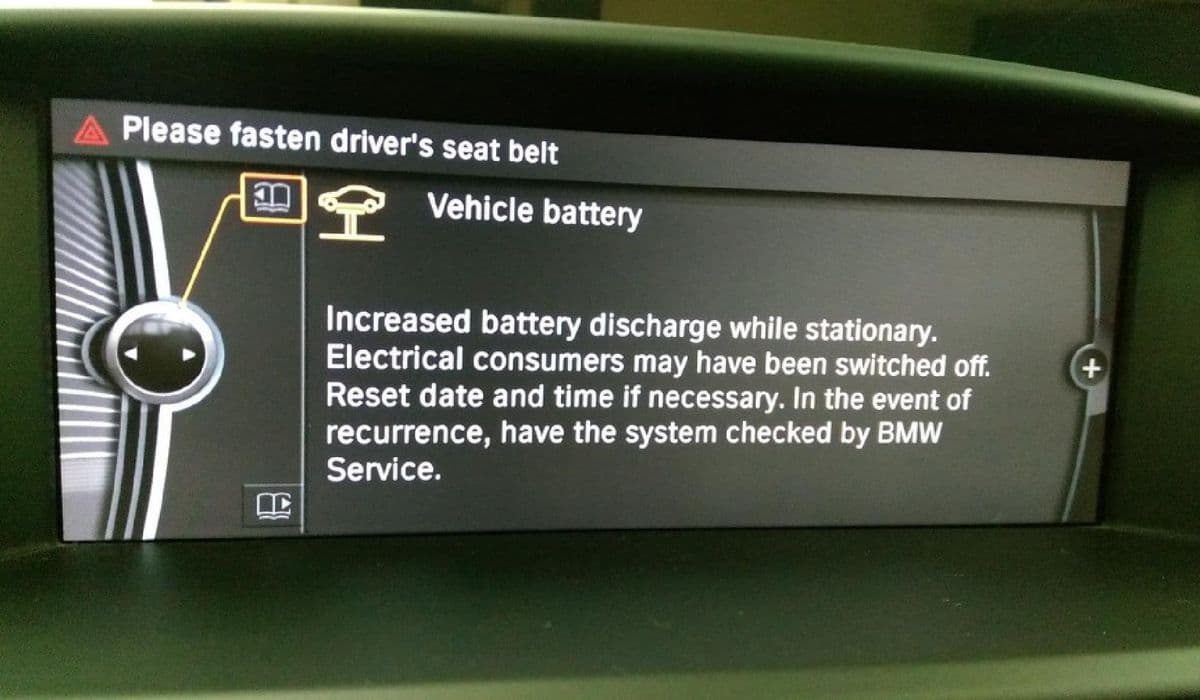
Post-accident damage is another trigger, especially in the i4, where collisions can disrupt high-voltage connections or damage the battery frame, leading to persistent shutdowns until repaired. Low 12V battery voltage can indirectly affect the high-voltage system by causing resets in the control units. In rare instances, wiring harness issues, such as those in the front passenger area, exacerbate the problem by interrupting signals between components. Environmental factors like extreme cold can amplify these issues, as battery efficiency drops, mimicking a fault.
Recalls have shed light on specific vulnerabilities: one involved misdiagnoses in the battery management electronics, causing unnecessary resets and power interruptions. Another targeted high-voltage relay malfunctions that disrupt current flow. Understanding these causes helps owners differentiate between simple resets and needs for deeper intervention, ensuring the vehicle's longevity and safety.
Initial Troubleshooting Steps
Before escalating to professional diagnostics, several straightforward steps can resolve high-voltage battery shutdowns in the BMW i4, iX, and i7. Start by safely pulling over if the issue occurs while driving, then attempt a basic reset. Exit the vehicle, lock it using the key fob, and wait at least five minutes. This allows the systems to fully power down and reset, often clearing software glitches that trigger false warnings. Upon re-entering, press the start button and check if the error persists.
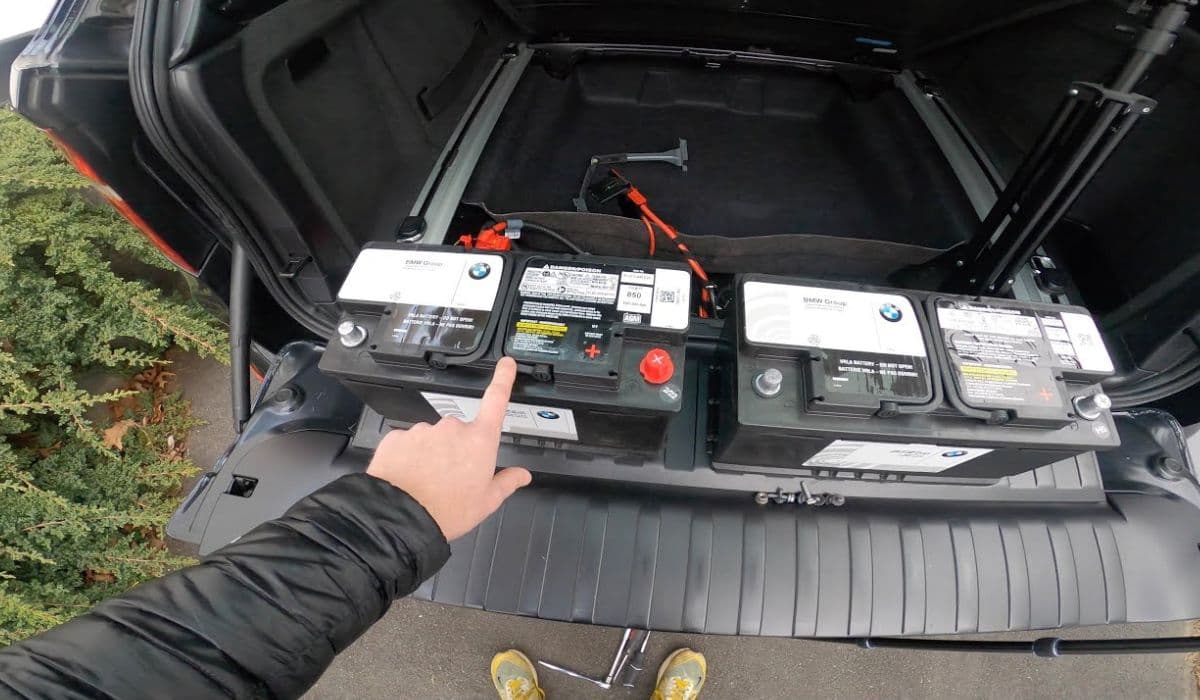
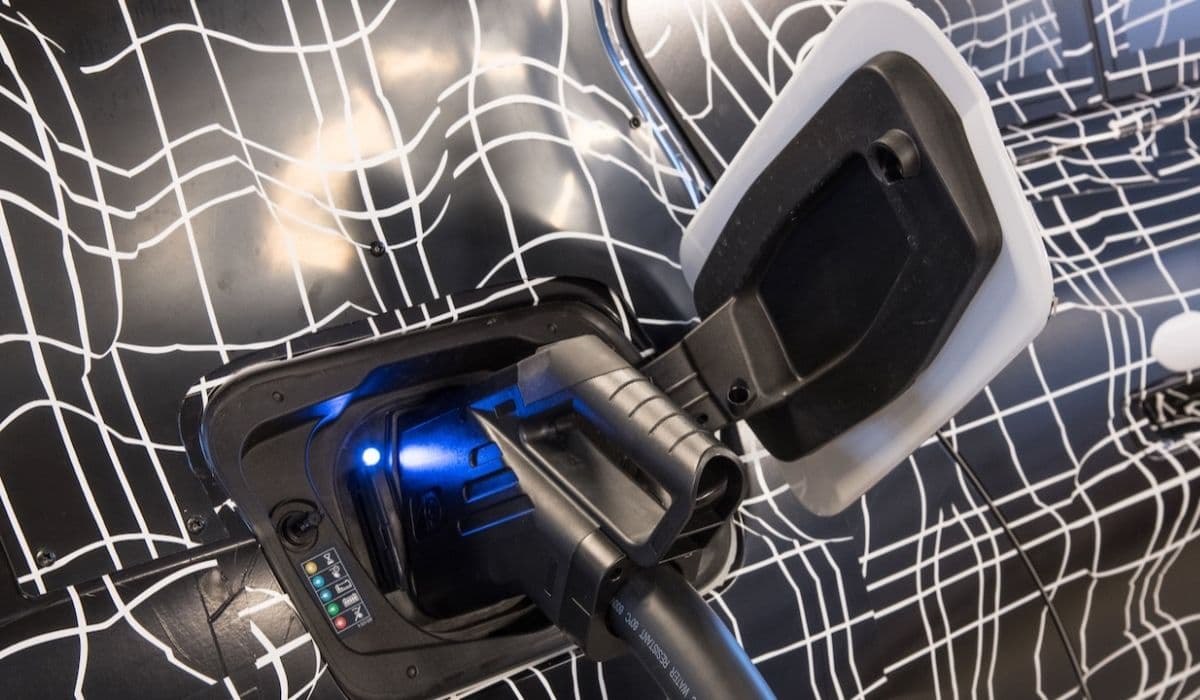
If the shutdown happens during charging, unplug the vehicle immediately and inspect the charging cable for damage or loose connections. Ensure the charger is compatible with BMW's specifications, as incompatible units can cause voltage spikes leading to protective shutdowns. For models like the i7, verify that the 12V battery is adequately charged, as a weak auxiliary battery can mimic high-voltage faults by destabilizing the electronics.
Access diagnostic mode by pressing the start/stop button three times without depressing the brake pedal. This PAD mode (Passive Access Diagnostic) should display "High-Voltage System Deactivated" if the issue is active, providing a clue to the problem's severity. If no errors show, drive the vehicle gently to see if the system stabilizes. Monitor the dashboard for recurring alerts, noting any patterns like occurrence after full charges or in specific temperatures.
In cases of intermittent issues, reboot the infotainment system by holding the volume knob until the screens go black, then wait for the red parking brake LED to extinguish. This can reset minor communication errors between the BMS and other modules. Always ensure the car is not in a hazardous location during these steps, and avoid repeated attempts if the problem doesn't resolve, as this could strain components.
Diagnostic Procedures for High-Voltage Issues
Accurate diagnosis of high-voltage battery shutdowns requires systematic procedures, often starting with onboard tools before professional equipment. Begin by using the BMW app or iDrive system to scan for error codes. In the i4, codes related to the drivetrain or high-voltage system might indicate specific faults like relay issues or sensor failures. Note any stored codes, as they persist even if warnings clear temporarily.
For deeper insights, connect an OBD-II scanner compatible with BMW EVs. Tools like Carly adapters can read high-voltage parameters, revealing imbalances in cell voltages or temperature variances across modules. In the iX, check the supervision circuit readings; deviations might point to battery pack disassembly needs. Measure the 12V battery voltage manually—if below 12.4 volts, charge it separately, as it supports the high-voltage system's controls.
Inspect physical components safely: open the trunk or frunk to check the high-voltage plug for secure connections, but never tamper without deactivating the system first. In diagnostic mode, confirm deactivation before any hands-on work. For the i7, focus on cell sensor data; faulty ones often show erratic readings leading to shutdowns.
If home diagnostics fail, visit a certified BMW center equipped with ISTA (Integrated Service Technical Application) software. Technicians can perform high-voltage tests, including insulation resistance checks and module stress evaluations. In recall-affected vehicles, they might identify improperly assembled frames through visual inspections or X-ray scans. Document all findings, including timestamps of shutdowns, to aid technicians in replicating the issue.
Software Updates and Reprogramming
Software plays a pivotal role in managing high-voltage systems, and updates often resolve shutdown issues without hardware changes. BMW frequently releases over-the-air (OTA) updates for the i4, iX, and i7 to refine the BMS algorithms, preventing erroneous shutdowns from misdiagnosed faults. Check for available updates via the iDrive menu or BMW Connected app; installing them can recalibrate sensors and improve voltage monitoring accuracy.
In cases where OTA isn't sufficient, dealer-performed reprogramming targets specific modules. For instance, updating the electronic control unit (ECU) in the i4 addresses software that might cause unnecessary high-voltage deactivations. The process involves connecting the vehicle to a diagnostic computer, downloading the latest firmware, and verifying post-update performance through test drives.
For the iX, reprogramming the supervision circuit software has fixed recurring drivetrain errors tied to battery alerts. Similarly, in the i7, reprogramming the battery management module alongside sensor replacements eliminates sudden power losses. These procedures typically take a few hours and are covered under warranty for recall-related issues. After updates, monitor the vehicle for a week to ensure stability, as initial calibrations might trigger temporary warnings.
Always back up vehicle settings before updates, and ensure a stable power source during the process to avoid interruptions that could exacerbate problems.
Hardware Repairs and Replacements
When software fixes fall short, hardware interventions become necessary for high-voltage battery shutdowns. Common repairs include replacing faulty cell modules, as seen in recalls for 2022-2025 models where assembly defects stressed frames, leading to failures. Dealers handle these replacements free of charge, involving battery pack removal and module swaps using specialized tools.
In the i4, a failed battery control module or low-voltage harness might require substitution; the harness, often located in the front passenger interior, handles signal transmission. For cooling system issues in the iX, replacing the high-voltage battery water pump restores thermal management, preventing overheating-induced shutdowns. This involves draining coolant, disconnecting lines, and testing the new pump's flow rate.
The i7 often needs cell sensor replacements, which monitor individual battery cells for voltage and temperature. Faulty sensors cause inaccurate readings, prompting shutdowns; technicians recalibrate the system post-replacement. In post-crash scenarios, inspect and repair the battery frame or high-voltage cables, ensuring no insulation breaches.
Safely disconnecting the system is key before repairs: power down the vehicle, wait for sleep mode, disconnect the HV plug in the trunk, enter PAD mode to verify deactivation, then address the 12V battery if needed. Reconnection reverses these steps, followed by error clearing via reboots. Costs vary, but warranty often covers major components; expect 200-500 euros for sensor swaps outside warranty.
Preventive Maintenance Tips
Maintaining the high-voltage battery system in BMW i4, iX, and i7 involves regular practices to minimize shutdown risks. Charge the vehicle using Level 2 chargers at moderate rates to avoid stressing cells, and precondition the battery in extreme weather via the app to optimize temperature. Keep the 12V battery healthy with periodic checks, as its condition influences high-voltage stability.
Schedule annual inspections at certified centers, including coolant level checks for the battery cooling system and software version verifications. Avoid deep discharges by keeping the state of charge above 20%, and monitor driving habits—frequent rapid accelerations can heat the battery, mimicking faults.
Clean charging ports regularly to prevent debris-induced connection issues, and store the vehicle in moderate environments to preserve battery chemistry. Track recall notifications through BMW's portal, as proactive module replacements prevent escalations. By integrating these habits, owners can enhance system reliability and extend battery lifespan.
When to Seek Professional Help
Certain scenarios demand immediate professional intervention for high-voltage battery shutdowns. If resets fail and warnings recur frequently, or if the vehicle loses power while driving, tow it to a BMW EV specialist to avoid risks. Persistent codes indicating module failures or sensor faults require advanced diagnostics unavailable at home.
For recall-eligible vehicles, contact dealers promptly for free repairs, especially if symptoms match described issues like frame stress or relay malfunctions. Post-accident shutdowns warrant expert evaluation to check for hidden damage. If costs arise outside warranty, seek quotes from certified shops experienced in high-voltage systems.
In the i7, sudden losses tied to BMS faults benefit from reprogramming at facilities with HV specialist technicians. Delaying can lead to battery degradation, so prioritize safety and consult professionals when DIY steps prove insufficient.
More from BMW

How to replace starter-generator connection BMW (2025 recall)
14.12.2025 17:51
How to fix high-voltage battery shutdown (BMW i4/iX recall)
14.12.2025 17:38
How to fix panoramic roof noise or leaks BMW
14.12.2025 10:56
How to fix brake booster vacuum issues BMW
14.12.2025 09:06
How to replace 12V battery and register it (2025 BMW X5/iX issues)
14.12.2025 06:36