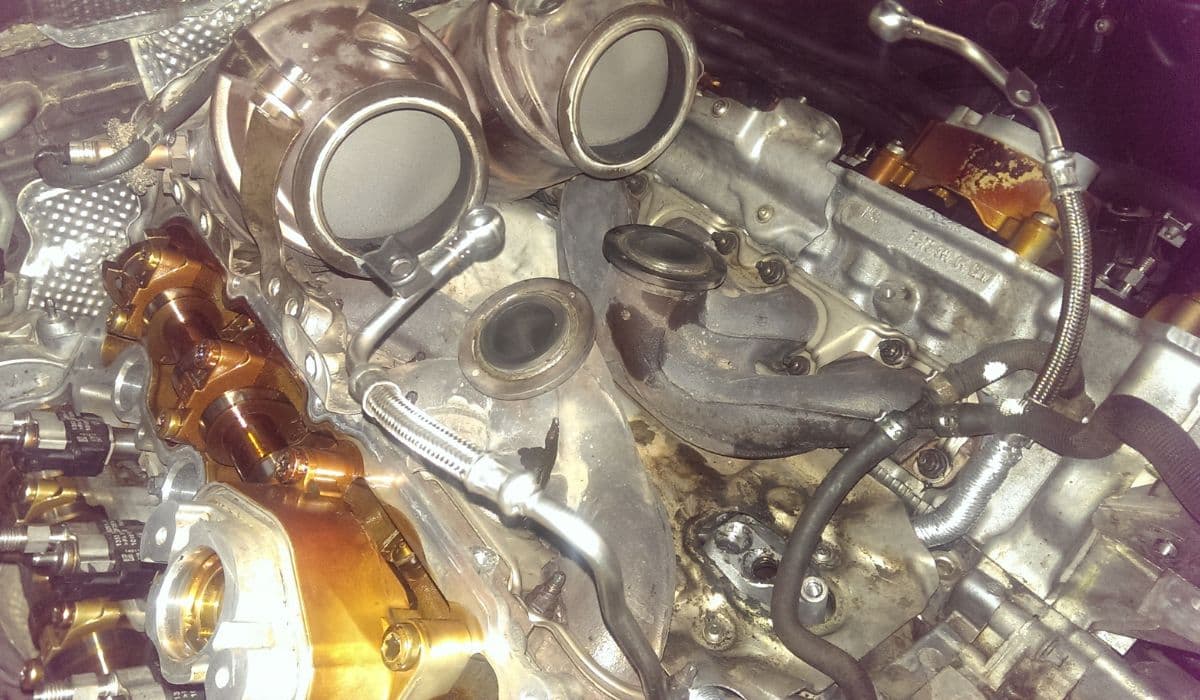
How to fix radiator leaks or clogs BMW
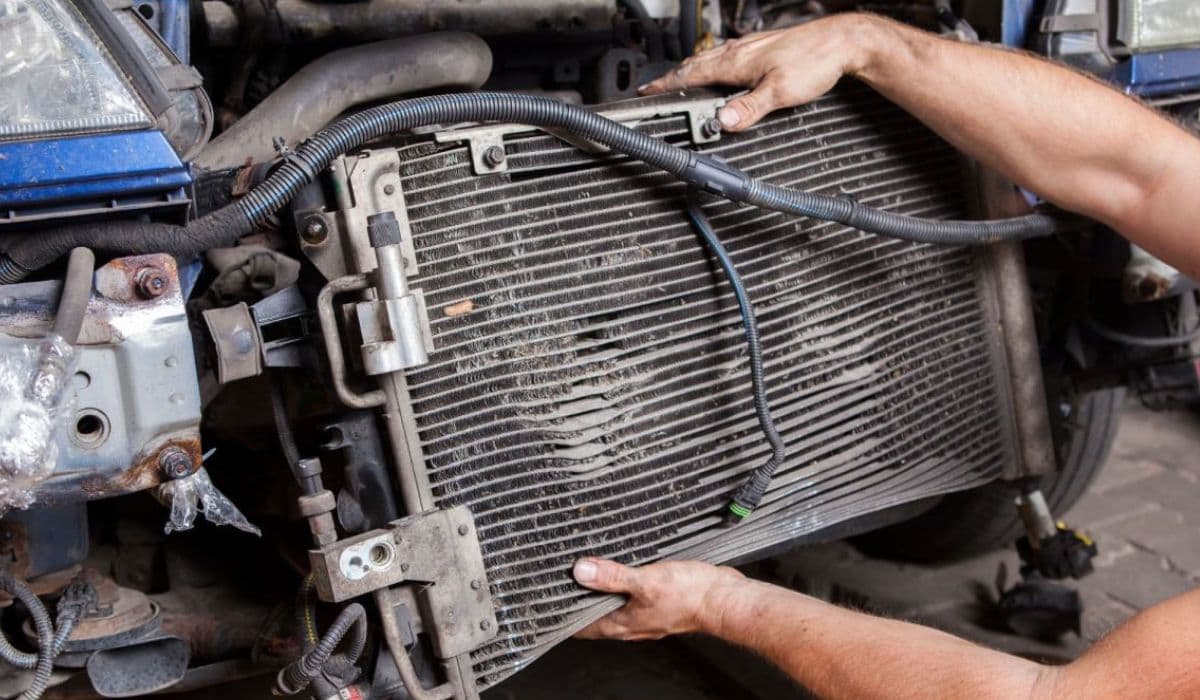
Radiator problems like leaks or clogs can significantly impact the performance and longevity of your BMW's cooling system. These issues are common in models such as the E90 3 Series, F30 3 Series, or X5 series, often due to age, corrosion, or improper maintenance. Addressing them promptly prevents overheating, engine damage, and costly repairs. This guide provides detailed, step-by-step instructions tailored to BMW vehicles, emphasizing safety and precision to ensure your car runs smoothly.
Common Causes of Radiator Leaks in BMW Models
BMW radiators, typically made from aluminum with plastic end tanks, are prone to leaks from various sources. In older models like the E46 or E39, thermal cycling causes expansion and contraction, leading to cracks in the plastic tanks. Corrosion from coolant degradation affects the core, especially if non-BMW-approved coolant is used, as BMW specifies G48 or G30 formulas for optimal protection.
Road debris or minor collisions can puncture the fins or tubes, while faulty pressure caps fail to maintain the 1.2-1.5 bar system pressure, exacerbating leaks. Over time, seals around hoses or the thermostat housing degrade, particularly in high-mileage vehicles exceeding 100,000 miles. Identifying the cause is crucial; for instance, in turbocharged BMWs like the N55 engine, higher operating temperatures accelerate wear.
Identifying Signs of Radiator Leaks in Your BMW
Early detection saves your engine from catastrophic failure. Look for coolant puddles under the car, often green, blue, or orange depending on the BMW coolant type. A sweet smell from the engine bay indicates ethylene glycol evaporation. Dashboard warnings, such as the low coolant light or temperature gauge spiking, are common in models with iDrive systems.
Steam from the hood or visible wet spots on the radiator suggest active leaks. Reduced heater performance points to low coolant levels, while white smoke from the exhaust signals a potential head gasket issue secondary to overheating. In BMWs with electric water pumps, like the N20 or B58 engines, monitor for error codes via OBD-II scanners, such as P0597 for thermostat malfunctions indirectly causing leaks.
Tools and Materials Required for Leak Repairs
Before starting, gather essential tools to avoid interruptions. You'll need a socket set (metric sizes 8-19mm), pliers, screwdrivers, and a torque wrench for precise reassembly—BMW specs often require 10-20 Nm for hose clamps. A coolant pressure tester (around 0-2 bar) helps diagnose leaks under pressure.
Materials include BMW-approved coolant (diluted 50/50 with distilled water), radiator stop-leak additives if temporary, new hoses or O-rings, and thread sealant for fittings. Safety gear like gloves, eye protection, and a drain pan are non-negotiable, as coolant is toxic. For advanced fixes, a radiator repair kit with epoxy or soldering tools might be needed, but consult your model's service manual, such as the Bentley manual for E90s.
Step-by-Step Guide to Diagnosing Radiator Leaks
Park your BMW on a level surface and let the engine cool completely to avoid burns from pressurized coolant. Visually inspect the radiator for cracks, corrosion, or dampness, focusing on seams and end tanks. Check hoses for bulges or softness, and the expansion tank for cracks—common in F10 5 Series.
Use a pressure tester: Attach it to the expansion tank, pump to 1.2 bar, and observe for drops indicating leaks. Dye tests involve adding UV dye to the coolant, running the engine, and using a blacklight to spot leaks. Scan for codes with a tool like INPA or Carly adapter, as BMW's DME might log overheating events. If no visible leak, suspect internal issues like a weeping core, requiring professional pressure testing.
Repairing Minor Radiator Leaks Yourself
For small leaks in accessible areas, start by draining the coolant: Locate the drain plug at the radiator bottom, open it, and collect fluid in a pan—dispose responsibly at a recycling center. Clean the leak area with brake cleaner to remove residue.
Apply epoxy resin designed for radiators, following cure times (usually 24 hours). For plastic tanks, use a plastic welder or specialized adhesive like JB Weld Plastic Bonder. Reattach hoses with new clamps, torquing to spec. Refill with fresh coolant, bleed the system by running the engine with the heater on max, and top off as air escapes—BMW systems often have bleeder screws on the thermostat housing.
Test drive and monitor temperatures; if the leak persists, replacement might be necessary. In models like the E60, accessing the radiator involves removing the fan shroud, so allocate 2-3 hours.
Handling Major Radiator Leaks in BMW Engines
Severe leaks often require radiator replacement. Source OEM or aftermarket units from brands like Behr or Nissens, ensuring compatibility—e.g., automatic transmission models have integrated oil coolers. Disconnect battery first for safety, especially in newer BMWs with electronic modules.
Remove front bumper or grille for access in vehicles like the G30 5 Series. Disconnect hoses, transmission lines if applicable, and electrical connectors. Lift out the old radiator, transfer any mounts, and install the new one. Flush the system with distilled water to remove contaminants before refilling. Burp the system thoroughly to prevent air pockets, which can cause hot spots in aluminum blocks.
Post-install, check for leaks at connections and monitor coolant levels over several drives. Budget $200-500 for parts, plus tools if needed.
Understanding Radiator Clogs in BMW Cooling Systems
Clogs stem from sediment buildup, rust, or degraded coolant forming sludge. In BMWs using silicate-free coolants, mixing incompatible types causes gelation, blocking narrow passages. High-mileage engines accumulate scale from hard water, while failed water pumps (common in N62 V8s) reduce flow, promoting deposits.
External clogs from bugs or leaves obstruct fins, reducing airflow—prevalent in low-slung models like the Z4. Internal clogs affect heater cores too, leading to uneven cooling.
Spotting Symptoms of Radiator Clogs
Overheating during idle or low speeds is a key indicator, as clogs impede coolant circulation. Uneven temperature across the radiator (hot top, cool bottom) suggests blockages. Poor cabin heat in winter points to clogged heater cores, while fluctuating temperature gauges signal inconsistent flow.
In turbo BMWs, boost loss or limp mode can occur from overheating. Check for milky coolant indicating oil contamination, though that's more gasket-related. Use an infrared thermometer to scan the radiator surface; temperature variances over 20°C indicate clogs.
Essential Tools for Clearing Clogs
Arm yourself with a garden hose for external flushing, chemical flush kits like Prestone or BMW's own, and a backflush tool for reverse flow. Compressed air helps clear fins, while a borescope inspects internal passages if accessible.
For thorough jobs, a radiator flush machine from auto shops simulates high-pressure cleaning. Always have fresh coolant and distilled water ready, plus funnels and spill mats.
Detailed Process for Flushing Radiator Clogs
Drain the old coolant completely. For external clogs, gently spray fins with a hose, avoiding high pressure to prevent bending. Use a fin comb to straighten damaged areas for better airflow.
For internal flushes, add a chemical cleaner to the system, run the engine to temperature, then drain and rinse multiple times with distilled water until clear. Backflush by connecting a hose to the outlet and forcing water backwards. In BMWs with complex routing, like the S55 in M3s, consult diagrams to avoid damaging sensors.
Refill and bleed as before. If clogs persist, professional rodding—inserting tools to scrape passages—might be needed, but that's risky for DIY.
Advanced Techniques for Stubborn Clogs
For severe blockages, citric acid solutions (5-10% concentration) dissolve scale without harming aluminum. Soak for 30-60 minutes, then flush. In older BMWs with brass radiators (rare now), vinegar works similarly.
Replace thermostats during flushes, as they often fail concurrently—BMW recommends every 60,000 miles. Test water pump flow by checking impeller condition if disassembled. For vehicles with auxiliary radiators, like in M models, flush each separately.
Preventive Measures to Avoid Future Issues
Regular maintenance is key for BMW radiators. Change coolant every 2-4 years or 50,000 miles, using only BMW-spec fluid to prevent electrolysis. Inspect hoses annually, replacing if cracked.
Keep the front grille clean, especially after off-road drives in X-series SUVs. Install protective screens for fins. Monitor coolant levels weekly and address low levels immediately. Use a coolant additive like Water Wetter for better heat transfer in performance-tuned BMWs.
Schedule professional inspections every 30,000 miles, including pressure tests. Avoid tap water for top-ups; always use distilled to minimize mineral deposits.
When Professional Assistance Becomes Necessary
While many fixes are DIY-friendly, complex issues warrant experts. If leaks involve welded repairs or clogs require disassembly, BMW-certified shops have specialized tools. For warranty-covered vehicles, avoid voiding coverage with improper repairs.
Signs like persistent overheating despite fixes suggest deeper problems, such as warped heads. Costs for professional radiator replacement range from $800-1500, including labor. Choose shops familiar with your model, like those using ISTA diagnostic software.
By addressing radiator leaks and clogs proactively, you extend your BMW's life and maintain its renowned driving dynamics.
More from BMW
How to fix DSC/ABS wheel speed sensor faults BMW
13.12.2025 13:46
How to replace run-flat tires and reset TPMS BMW
13.12.2025 13:40
How to fix electronic steering rack clunk BMW
13.12.2025 13:35
How to fix crankcase ventilation (PCV) valve heater BMW
13.12.2025 13:13
How to replace IBS battery sensor false errors BMW
13.12.2025 13:06