How to replace 12V battery and avoid parasitic drain on BMW
BMW vehicles are renowned for their sophisticated electrical systems, which demand precise handling when it comes to battery maintenance. Replacing the 12V battery might seem straightforward, but overlooking key steps can lead to premature failure or ongoing power issues. Similarly, parasitic drain—a silent thief that slowly depletes battery charge even when the car is off—plagues many owners. Understanding both processes ensures your BMW starts reliably and performs at its best.
Understanding BMW Battery Basics
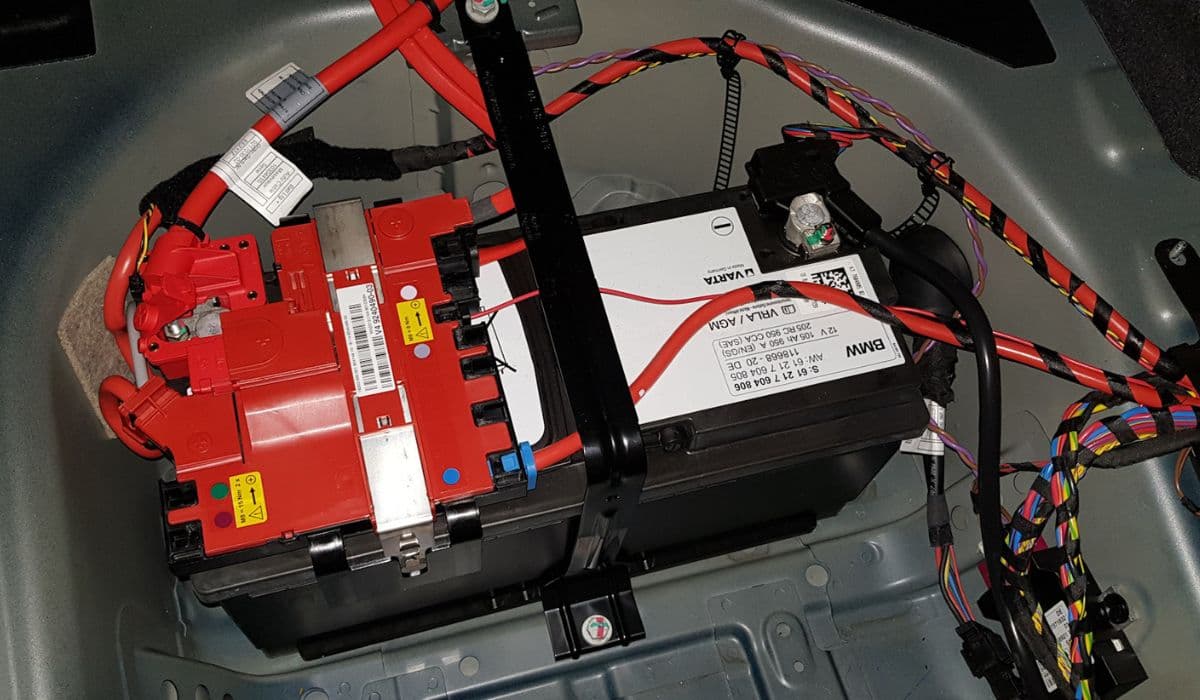
Modern BMWs rely on an advanced energy management system featuring the Intelligent Battery Sensor (IBS) attached to the negative terminal. This sensor monitors voltage, current, temperature, and charge cycles, communicating data to the engine control module to optimize charging.
Unlike traditional cars, BMW batteries often use AGM (Absorbed Glass Mat) technology for better durability under high electrical loads from features like start-stop systems and infotainment.
The battery typically sits in the trunk (most models) or under the hood in some.
Common capacities range from 70Ah to 110Ah, depending on the model and options.
Electrical demands from multiple modules mean even minor mismatches can cause problems.
Failing to address the system's needs during replacement can result in overcharging, undercharging, or persistent warnings on the dashboard.
Preparing for Safe Battery Replacement
Safety comes first when working with automotive batteries. Always park on a level surface, engage the parking brake, and turn off all accessories.
Gather essential tools beforehand:
Socket set (usually 10mm for terminals)
Battery terminal puller (optional but helpful)
Gloves and eye protection
Anti-corrosion spray or felt washers
Memory saver device (plugs into OBD port to retain settings)
To prevent voltage spikes that could damage sensitive electronics:
Connect a memory saver or charger to the OBD-II port before disconnecting the old battery.
Alternatively, use jumper cables from another vehicle, but keep it running at low RPM.
Ventilation is crucial—batteries can release gases, so work in a well-aired area.
Step-by-Step Battery Removal
Battery location varies: in the trunk (right side under a cover for many sedans and SUVs) or engine bay for others.
Start with the negative terminal:
Loosen the negative (-) clamp first to minimize spark risk.
Carefully disconnect the IBS cable if present (a small plug on the negative post).
Then remove the positive (+) terminal.
Secure any hold-down brackets or covers:
Remove plastic covers or panels.
Unbolt the battery tray or clamp.
Lift the battery out—it's heavy, so use proper lifting technique.
Inspect the tray for corrosion or debris and clean thoroughly with a baking soda solution if needed.
Installing the New Battery
Choose a compatible replacement—ideally an OEM-spec AGM battery with matching capacity and cold cranking amps.
Place the new battery securely in the tray:
Ensure proper orientation (terminals align correctly).
Reinstall hold-down clamps snugly but not overly tight.
Connect terminals in reverse order:
Positive (+) first.
Then negative (-), including the IBS sensor plug if equipped.
Apply anti-corrosion treatment to terminals for longevity.
Torque specifications matter—overtightening can damage posts.
Essential Battery Registration Process
This is where many DIY attempts falter. BMW requires registering the new battery to reset charge profiles and prevent improper management.
Without registration:
The system treats the new battery as the old, worn one.
Charging voltage may remain high, leading to overheating or reduced lifespan.
Dashboard warnings or erratic electrical behavior can occur.
Use a compatible scan tool (like BimmerCode, Carly, or dealer-level software) to register:
Select the correct battery type (AGM or flooded) and capacity.
The process informs the DME (Digital Motor Electronics) of the change.
For different capacity batteries, additional coding adjusts parameters. Skipping this step often shortens battery life significantly.
What Is Parasitic Drain and Why It Matters
Parasitic drain refers to excessive current draw when the vehicle is off and modules should enter sleep mode. Normal draw is under 50-80mA; anything higher can flatten a battery overnight or over days.
In BMWs, complex networks of control units (ECUs) must fully shut down after 15-30 minutes. Failures here keep systems awake, consuming power unnecessarily.
Common symptoms include:
Slow cranking after short periods of inactivity.
Dead battery despite recent replacement.
Frequent jump-starts needed.
Addressing it prevents repeated battery failures and protects the alternator from strain.
Common Causes of Parasitic Drain in BMW Models
Several notorious culprits emerge across various BMW generations.
Faulty Final Stage Resistor (FSR or "hedgehog") in HVAC systems—keeps blower motor circuits active.
Malfunctioning telematics or Bluetooth modules (TCU) that fail to sleep.
Stuck navigation CDs or infotainment glitches preventing shutdown.
Defective IBS sending erroneous signals.
Aftermarket accessories wired incorrectly, bypassing sleep timers.
Other issues include:
Glovebox or trunk lights staying on due to faulty switches.
Water pumps (in some turbo models) running continuously.
Aging control modules with internal shorts.
Short trips exacerbate problems, as the alternator lacks time to recharge fully.
Diagnosing Parasitic Drain Effectively
Professional diagnosis uses specialized tools, but basic checks help.
Perform a draw test:
Wait 30 minutes after shutting off the car for sleep mode.
Disconnect negative terminal and insert a multimeter in series (amps setting).
Measure current—excessive if over 80mA.
Isolate circuits:
Pull fuses one by one while monitoring draw.
Note which fuse drops the reading significantly.
Scan for codes with an OBD tool to reveal awake modules.
Visual inspections for lights or aftermarket wiring provide quick clues.
Preventing Parasitic Drain Long-Term
Proactive habits extend battery health dramatically.
Drive longer routes regularly to allow full charging.
Turn off HVAC and accessories before shutting down the engine.
Unplug OBD devices or chargers when parked.
Inspect for aftermarket installations drawing constant power.
Routine maintenance tips:
Clean terminals and check grounds.
Use a trickle charger for infrequent use.
Monitor voltage via hidden menus or apps.
Addressing root causes—like replacing a failing FSR—eliminates recurring issues.
Mastering battery replacement and drain prevention keeps your BMW reliable, avoiding frustrating no-starts and preserving its refined driving experience.
More from BMW
How to fix starter-generator loose connection BMW
19.12.2025 16:00
How to fix high-voltage battery shutdown (BMW i4/iX recall)
14.12.2025 14:38
How to replace starter-generator connection BMW
14.12.2025 11:51
How to fix panoramic roof noise or leaks BMW
14.12.2025 07:56
How to fix brake booster vacuum issues BMW
14.12.2025 06:06