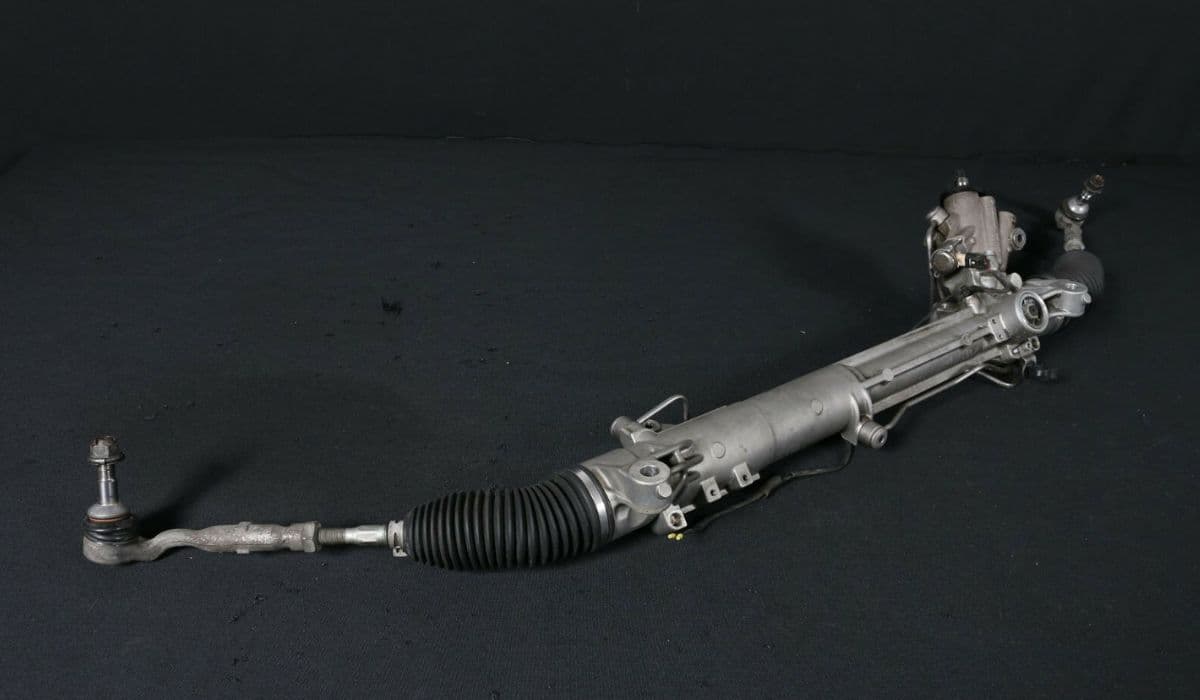
How to replace run-flat tires and reset TPMS
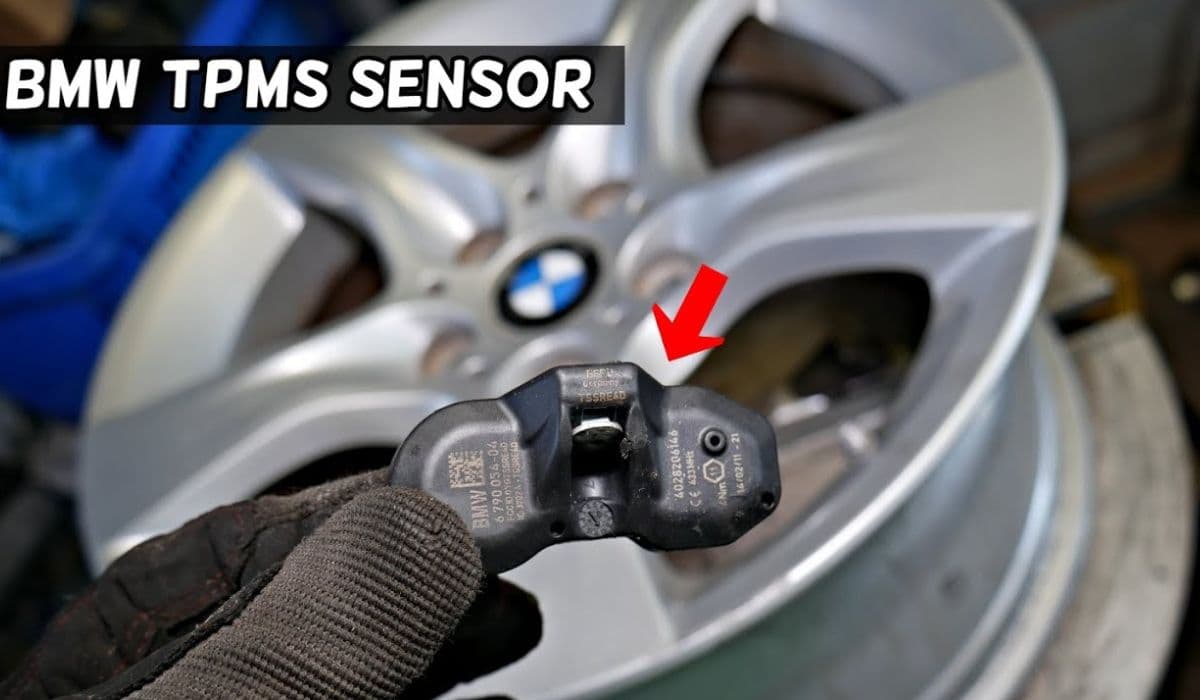
BMW extensively equips models like the 3 Series, 5 Series, X3, X5, and M variants with run-flat tires (RFTs) featuring reinforced sidewalls allowing continued driving up to 50 miles at 50 mph post-puncture. Brands such as Bridgestone, Pirelli, or Michelin supply these, sized specifically for BMW's suspension tuning.
Sidewalls stiffen overall ride but enhance handling precision. Wear accelerates from low profiles and firm compounds, typically lasting 20,000-30,000 miles. Uneven tread from misalignment or aggressive driving prompts replacement. Transitioning to non-RFTs requires spare tire kits, as BMW omits jacks/spares for weight savings. TPMS sensors integrate into valve stems, monitoring pressure wirelessly.
Recognizing Triggers for Tire Renewal and TPMS Alerts
Yellow TPMS icons illuminate for pressures below 25-30 psi, turning red under 20 psi with audible chimes. Flat warnings display post-puncture, advising speed limits.
Tread depth under 3/32 inch risks hydroplaning; uneven wear signals alignment needs. Vibrations or pulling indicate balance/alignment issues necessitating swaps. Seasonal changes to winter RFTs maintain performance in cold.
Toolkit Assembly and Tire Selection Criteria
Standard tire changes require floor jack, stands, torque wrench (120-140 Nm for lugs), lug wrench, and impact gun optionally. TPMS reset needs no tools beyond iDrive.
Choose BMW-approved RFTs matching OEM sizes (e.g., 225/45R18) for speed ratings (H/V/W/Y). Non-RFT alternatives like Michelin Pilot Sport demand TPMS compatibility and suspension recalibration. Include valve stem kits if sensors fail.
Pre-Replacement Diagnostics and Vehicle Setup
Scan for TPMS codes confirming sensor health. Measure pressures manually verifying dashboard readings.
Park on level ground, loosen lugs before lifting. Jack at designated points, securing on stands. Remove wheels sequentially.
Executing Run-Flat Tire Demounting and Mounting
Deflate fully before breaking beads—RFT stiffness challenges machines. Avoid damaging TPMS sensors during dismount.
Mount new tires directionally if asymmetric, balancing dynamically. Inflate to BMW spec (32-38 psi front, 35-42 rear typically). Reinstall wheels, hand-tightening lugs in star pattern.
Lowering Vehicle and Initial Torque Application
Lower gently, torque lugs to 120 Nm in stages while on ground. Recheck after 50 miles.
For non-RFT swaps, install spare carrier if adding.
Navigating TPMS Reset Via iDrive Interface
Access vehicle status menu, select tire pressure monitor. Choose "Perform Reset" or "Set Tire Pressure"—confirm yes.
Drive above 20 mph for 10-15 minutes calibrating sensors. Yellow light extinguishes upon success. Older non-iDrive models hold reset button under dash for 6 seconds until yellow light flashes.
Troubleshooting Persistent TPMS Malfunctions
Grayed reset options indicate driving requirement first. Faulty sensors demand replacement (~$50 each) with coding.
Battery changes in sensors (5-7 year life) necessitate full units. Interference from aftermarket electronics disrupts signals.
Optimizing Tire Longevity and System Accuracy
Rotate every 5,000-7,500 miles balancing wear. Align annually or post-impact.
Monitor pressures monthly, adjusting seasonally (add 3-5 psi cold weather). Premium RFTs with advanced compounds extend mileage. Vigilant maintenance ensures safe handling and accurate monitoring in puncture-prone scenarios.
More from BMW
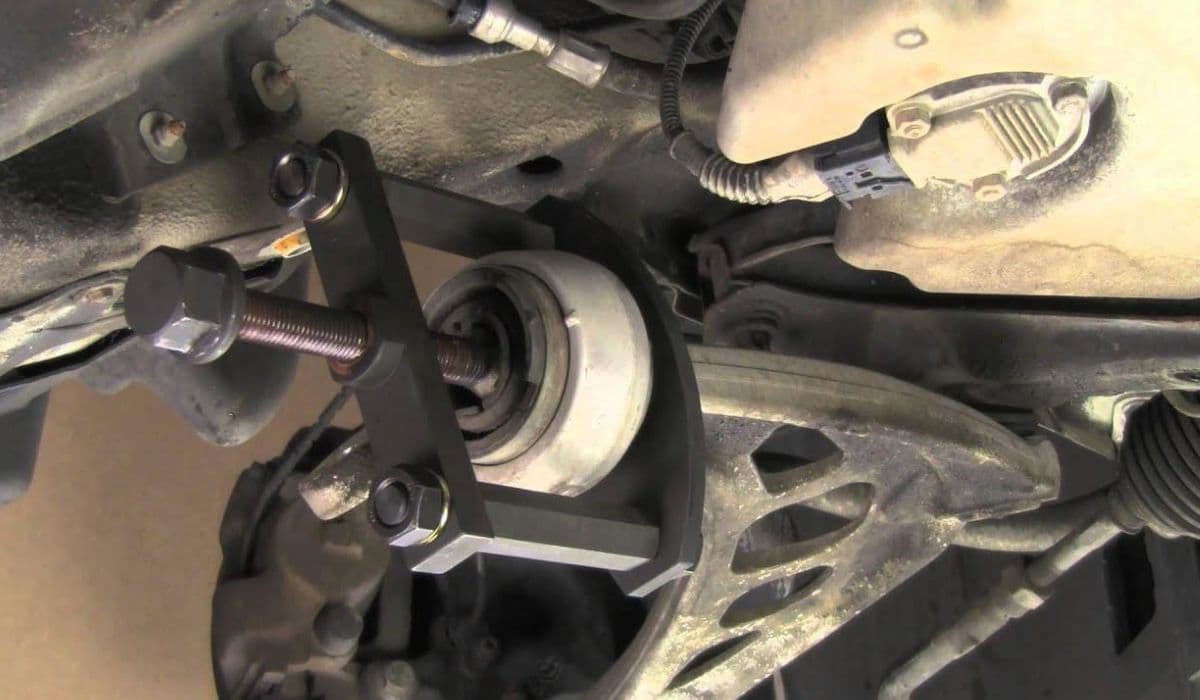
How to replace control arm bushings (front thrust arms)
13.12.2025 18:55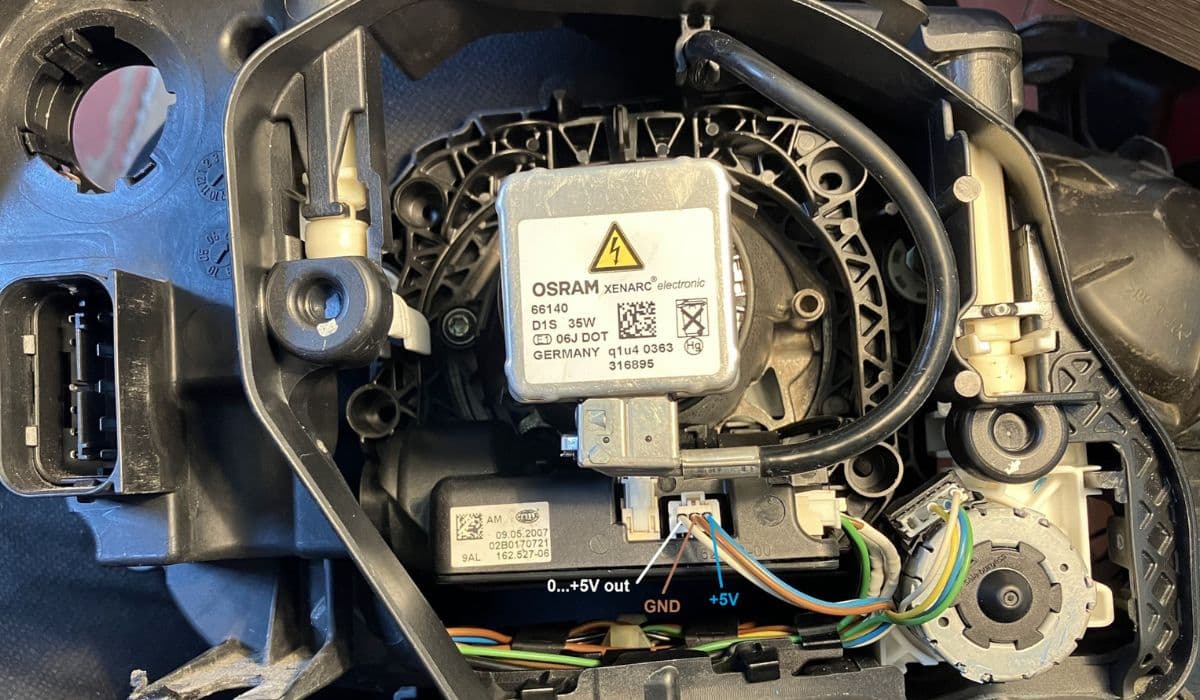
How to fix adaptive headlight malfunction (AHL errors)
13.12.2025 19:00
How to replace IBS battery sensor false errors
13.12.2025 19:06
How to fix crankcase ventilation (PCV) valve heater
13.12.2025 19:13
How to replace turbo oil lines (N63 hot-V engines)
13.12.2025 19:28