How to fix creaking noise when turning steering wheel (Tesla Model Y)
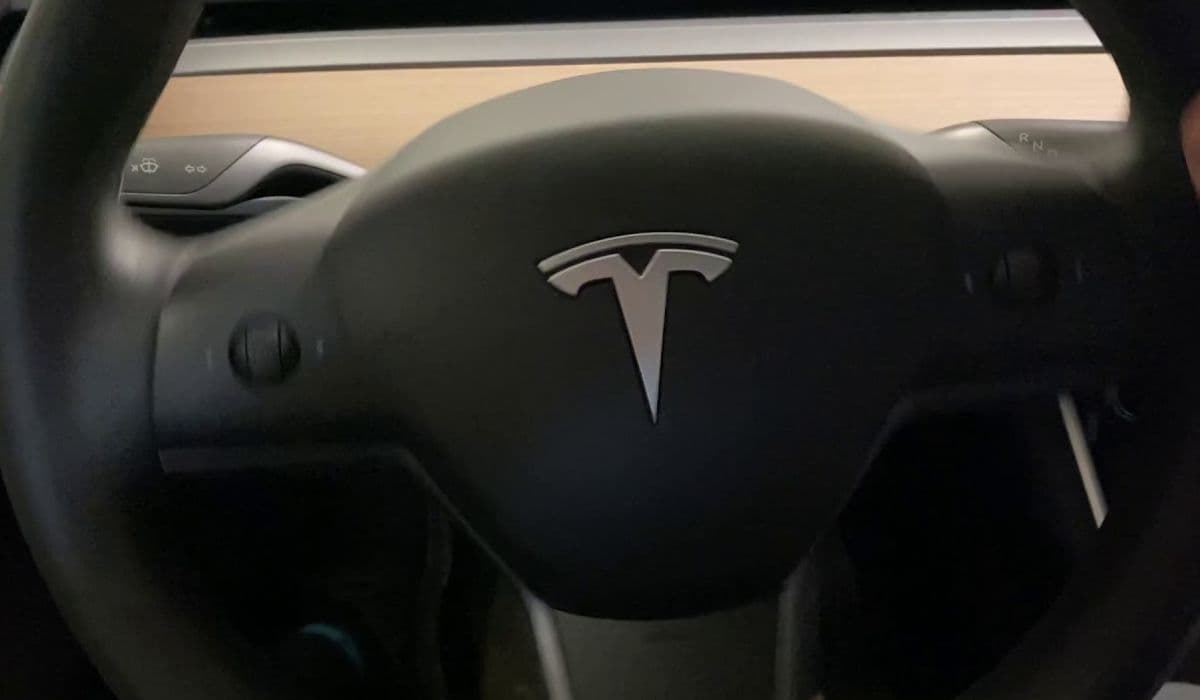
Tesla Model Y owners often encounter a distinctive creaking or squeaking sound when turning the steering wheel, particularly at low speeds or when the vehicle is stationary. This issue disrupts the otherwise silent and smooth electric driving experience, turning routine maneuvers like parking into an annoying auditory event. Understanding the root causes and effective remedies can restore quiet operation and peace of mind.
Understanding the Creaking Sound
The creaking noise typically originates from the front suspension or steering components rather than the electric power steering system itself. It becomes more pronounced during slow turns, when parked with the brake engaged, or over minor bumps. Owners describe it as a groan, rub, or dry squeak that repeats with wheel movement.
Several factors contribute to this problem in the Model Y:
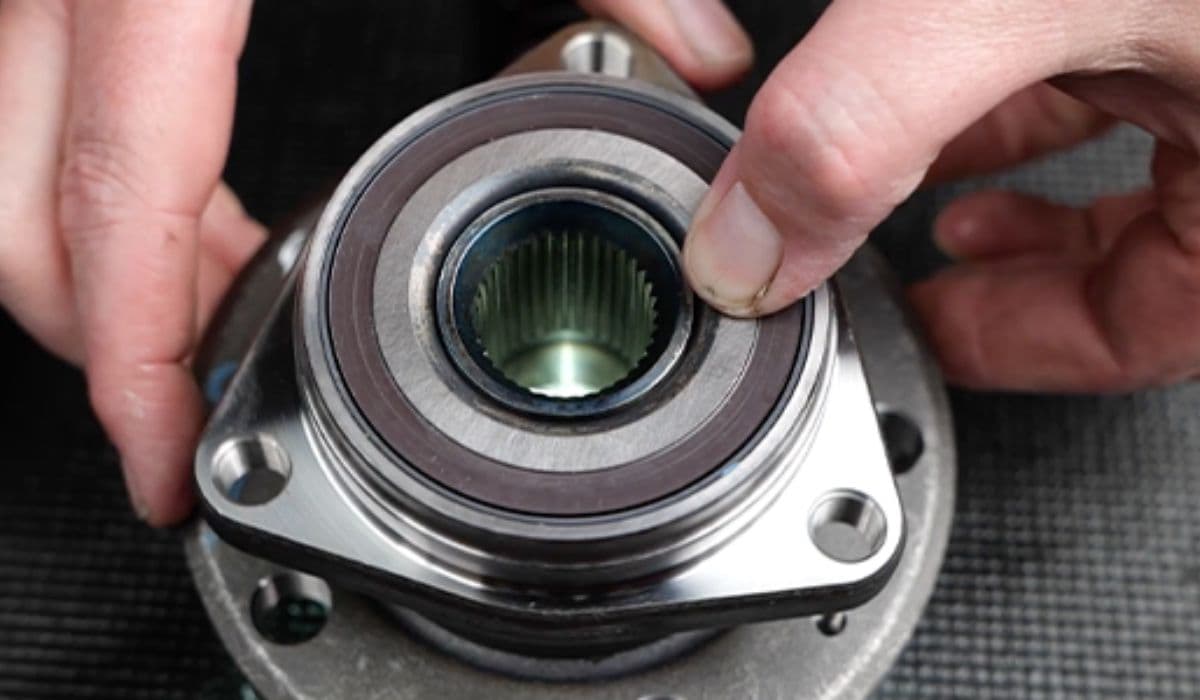
Dry or worn ball joints in the upper control arms lose lubrication over time, especially after exposure to water or road grime.
Bushings in the lower control arms or compliance links degrade, creating friction during steering input.
Rubbing in the steering column from insufficient lubrication or misaligned boots.
Minor looseness in suspension fasteners or struts that amplify under torque.
This issue affects many Model Y vehicles, often emerging after several thousand miles of driving. Environmental conditions like cold weather or moisture exacerbate it by affecting lubricant viscosity or causing component contraction.
Common Causes of the Noise
Diagnosing the exact source requires careful listening and testing. Here are the most frequently reported culprits:
Upper Control Arm Ball Joints: The leading cause. Grease inside the joint washes out, leading to metal-on-metal contact and classic creaking during turns.
Lower Suspension Bushings: These rubber components harden or tear, producing rubbing sounds at low speeds.
Steering Column Rubbing: Plastic or rubber parts in the column bind, especially noticeable when turning while stationary.
Brake-Related Sounds: Some creaks stem from caliper release or tire friction when the vehicle holds position with brakes, though this differs from suspension groans.
Other Factors: Loose strut mounts, aftermarket modifications, or even spring rotation in coilovers contribute occasionally.
Reproduce the noise safely by turning the wheel lock-to-lock while parked (in Park mode) or driving slowly in a parking lot. Note if it changes with brake application or speed.
DIY Diagnostic Steps
Before seeking professional help, perform these checks to narrow down the issue:
Park on a level surface and turn the steering wheel fully left and right while listening for the source (front wheels, column, or elsewhere).
Drive at low speeds and make tight turns; note if the noise syncs with wheel rotation or steering angle.
Gently bounce the front end by pushing down on the hood—creaking here points to suspension components.
Inspect visually under the vehicle (safely elevated) for obvious wear, leaks, or loose parts in control arms.
Test in different conditions: cold vs. warm, dry vs. wet, to see patterns.
These steps help when reporting to service, providing evidence like audio recordings.
Potential Fixes and Solutions
Solutions range from simple adjustments to part replacements, depending on the cause.
Lubrication Attempts: Some owners temporarily quiet noises by applying silicone spray or grease to accessible joints, though this rarely lasts and risks contamination.
Control Arm Replacement: The most reliable fix for ball joint issues involves new upper (or lower) control arms, often resolving the creak permanently if using improved designs.
Steering Column Adjustment: Technicians lubricate or realign the column shaft and boots to eliminate internal rubbing.
Torque Checks: Retightening suspension bolts to specification fixes noises from minor settling.
Professional Inspection: Tesla service centers diagnose accurately, sometimes covering repairs as goodwill for known issues.
Advanced aftermarket parts with better sealing prevent recurrence by protecting joints from moisture.
Preventing Future Creaking Issues
Proactive maintenance minimizes this problem:
Avoid deep puddles or high-pressure washes that strip grease from joints.
Schedule regular inspections of suspension components during tire rotations.
Consider upgraded control arms if the vehicle sees frequent wet or rough conditions.
Monitor for early signs like faint squeaks and address promptly.
With proper attention, Model Y owners enjoy the silent refinement Tesla promises, free from distracting creaks during everyday driving.
More from Tesla
How to fix FSD visualization lag after Tesla 2025.14 update
16.12.2025 07:02
How to replace Tesla Model 3/Y rear bumper clips (easy DIY)
16.12.2025 05:46
How to fix phantom drain overnight Tesla
16.12.2025 04:50
How to replace octopus coolant leak (Tesla Model 3 2017–2020)
16.12.2025 03:21
How to replace torn rear seat bolsters Tesla
16.12.2025 03:09