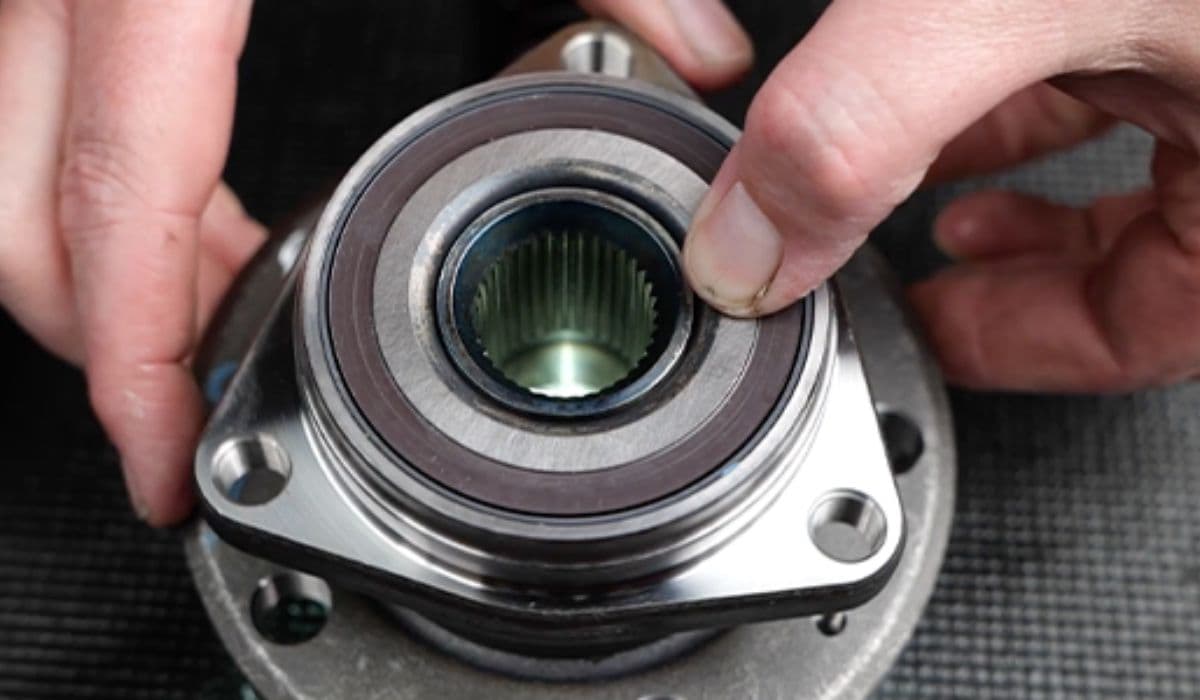
How to fix suspension knocking in Tesla Model Y (upper control arms)
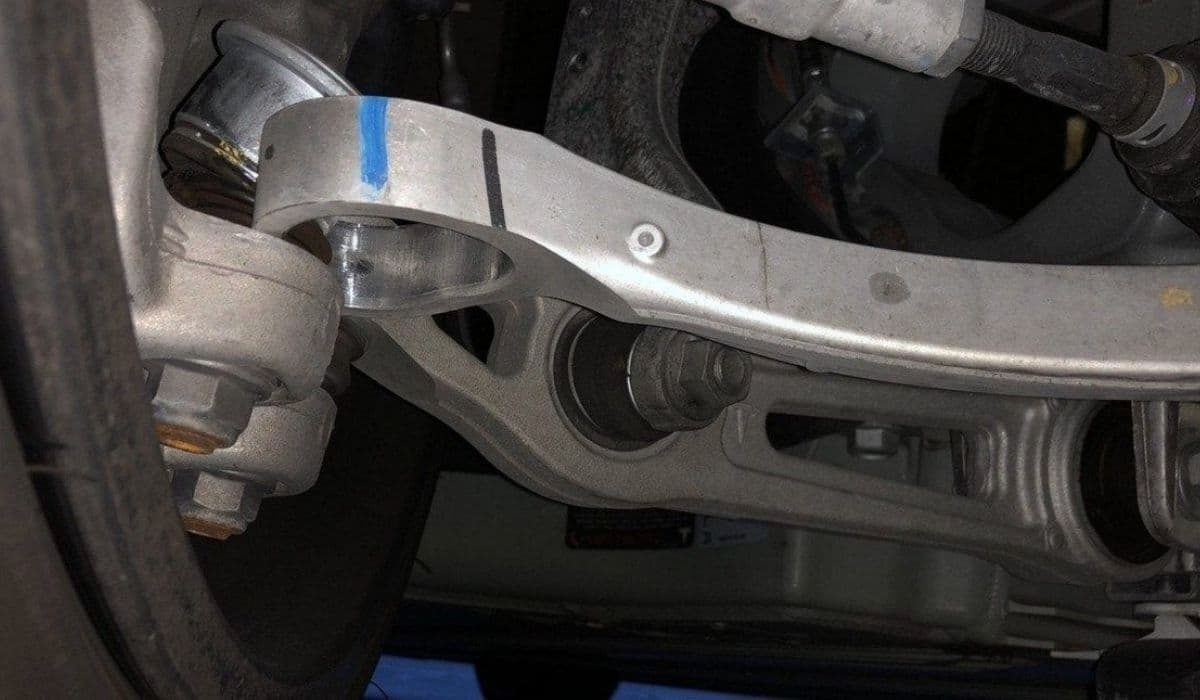
Tesla Model Y owners often encounter a distinctive knocking or clunking sound from the front suspension, particularly when driving over bumps, uneven roads, or during low-speed maneuvers. This issue is frequently traced back to the front upper control arms, a critical component in the vehicle's double-wishbone suspension setup. Understanding the root cause and knowing how to address it can restore the smooth, quiet ride that makes the Model Y so enjoyable.
The upper control arms connect the steering knuckle to the vehicle's chassis, allowing precise wheel movement while maintaining stability. In the Model Y, these arms feature ball joints that can become problematic over time, leading to audible knocking that disrupts the otherwise refined driving experience.
Understanding the Symptoms of Upper Control Arm Issues
Identifying the problem early is key to preventing further damage and ensuring safety. The knocking associated with upper control arms typically manifests in specific ways that set it apart from other suspension noises.
Common signs include:
A distinct clunking or rattling sound when hitting potholes, speed bumps, or road imperfections at moderate speeds.
Knocking that occurs during steering inputs, especially at low speeds or when turning into driveways.
Occasional creaking that transitions into sharper knocks as the issue progresses.
Vibrations felt through the steering wheel or chassis during acceleration or braking.
The noise often appearing more prominently on one side of the vehicle, though both arms can be affected.
These symptoms arise because the ball joint in the upper control arm loses its lubrication or develops play. Unlike vague rattles from loose components, this knocking has a metallic, hollow quality tied directly to suspension compression and rebound.
Common Causes of Knocking in Tesla Model Y Upper Control Arms
The design of the front upper control arms in the Model Y prioritizes lightweight construction and performance, but it introduces vulnerabilities that lead to premature wear.
Key factors contributing to the problem:
Moisture ingress into the ball joint seal, washing away factory grease and causing dryness or corrosion.
Exposure to road salt, debris, and water splashes that accelerate degradation of the protective boot.
High torque from the electric motors stressing the joints during rapid acceleration.
Normal wear amplified by the vehicle's weight distribution and stiff suspension tuning.
Many owners report the issue emerging after tens of thousands of miles of mixed driving, though it can appear sooner in regions with harsh weather or rough roads. The ball joint is integrated into the arm, making it non-serviceable in the original design, which means partial repairs are limited.
Diagnosing Suspension Knocking Yourself
Before heading to a service center, you can perform basic checks to confirm if the upper control arms are the culprit. A methodical approach helps rule out simpler issues like loose wheel lugs or underbody shields.
Steps for home diagnosis:
Park on a level surface and bounce each front corner of the vehicle firmly by pushing down on the fender—listen for clunks from the suspension.
Drive slowly over speed bumps or uneven pavement while turning the wheel slightly to load one side at a time.
Have a passenger listen from outside or record audio during a test drive to pinpoint the source.
Visually inspect the arms for damaged boots, grease leaks, or obvious play by safely jacking the vehicle and checking for movement in the ball joint.
Compare the noise to known examples from owner forums, where clunking from upper arms has a characteristic rhythm tied to wheel travel.
If the knocking reproduces consistently under suspension load and diminishes when the joint is temporarily lubricated (a common test), the upper control arms are likely involved. Always prioritize safety—avoid driving if severe play is suspected.
Temporary Fixes for Upper Control Arm Knocking
While not a permanent solution, some owners successfully quiet the noise temporarily through lubrication, buying time until a full repair.
Effective interim methods:
Carefully injecting compatible grease into the ball joint boot using a needle adapter on a grease gun to restore lubrication.
Applying a penetrating lubricant spray around the joint area to reduce friction short-term.
Cleaning the surrounding area to remove contaminants that exacerbate dryness.
These approaches can silence knocking for months in mild cases, especially if caught early. However, they do not address underlying wear, and the noise often returns as moisture re-enters the joint.
Professional Replacement of Upper Control Arms
The most reliable fix involves replacing the affected upper control arms, restoring factory-like quietness and handling.
What to expect during replacement:
Technicians remove the front wheels, disconnect the ride height sensor (if equipped), and unbolt the arm from the knuckle and chassis.
New arms are installed with fresh hardware, often including improved sealing in later revisions.
A four-wheel alignment follows to ensure even tire wear and proper geometry.
Both sides are typically replaced proactively, as the issue often affects pairs over time.
Many service centers apply additional sealant to the ball joints as a preventive measure, based on manufacturer guidelines. This process resolves the knocking definitively in most cases.
Preventing Future Suspension Knocking
Proactive maintenance extends the life of replacement arms and minimizes recurrence.
Helpful prevention tips:
Avoid deep puddles and high-pressure washes directly on the undercarriage to limit water exposure.
Regularly inspect the ball joint boots during tire rotations for tears or leaks.
Consider aftermarket arms with enhanced sealing if driving in challenging conditions.
Monitor for early creaks and address them promptly to prevent progression to knocking.
By staying attentive, owners can keep their Model Y's suspension performing at its best for the long haul.
The knocking from upper control arms doesn't have to overshadow the Model Y's impressive dynamics. With proper diagnosis and timely intervention, you can eliminate the disturbance and enjoy the silent, responsive ride that defines Tesla ownership.
More from Tesla
How to fix HVAC blend door actuator clicking noise Tesla
16.12.2025 13:16
How to fix FSD visualization lag after Tesla 2025.14 update
16.12.2025 07:02
How to fix phantom drain overnight Tesla
16.12.2025 04:50
How to replace octopus coolant leak (Tesla Model 3 2017–2020)
16.12.2025 03:21
How to replace torn rear seat bolsters Tesla
16.12.2025 03:09