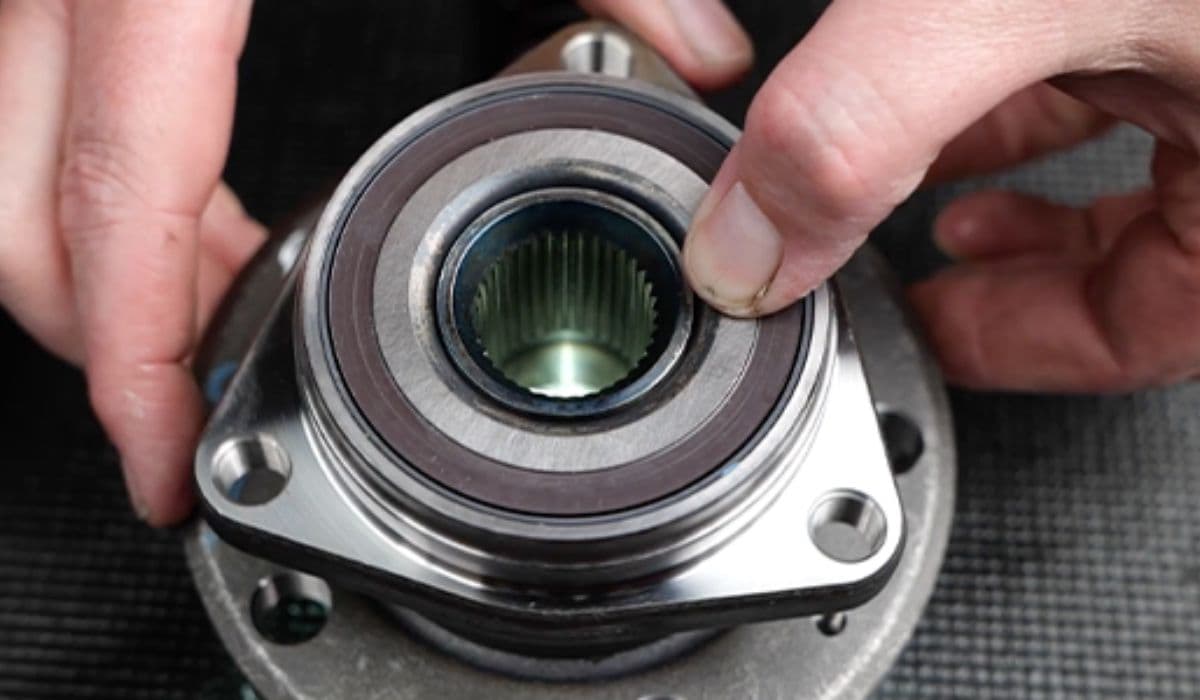
How to replace cracked rear glass roof (Tesla Model Y)
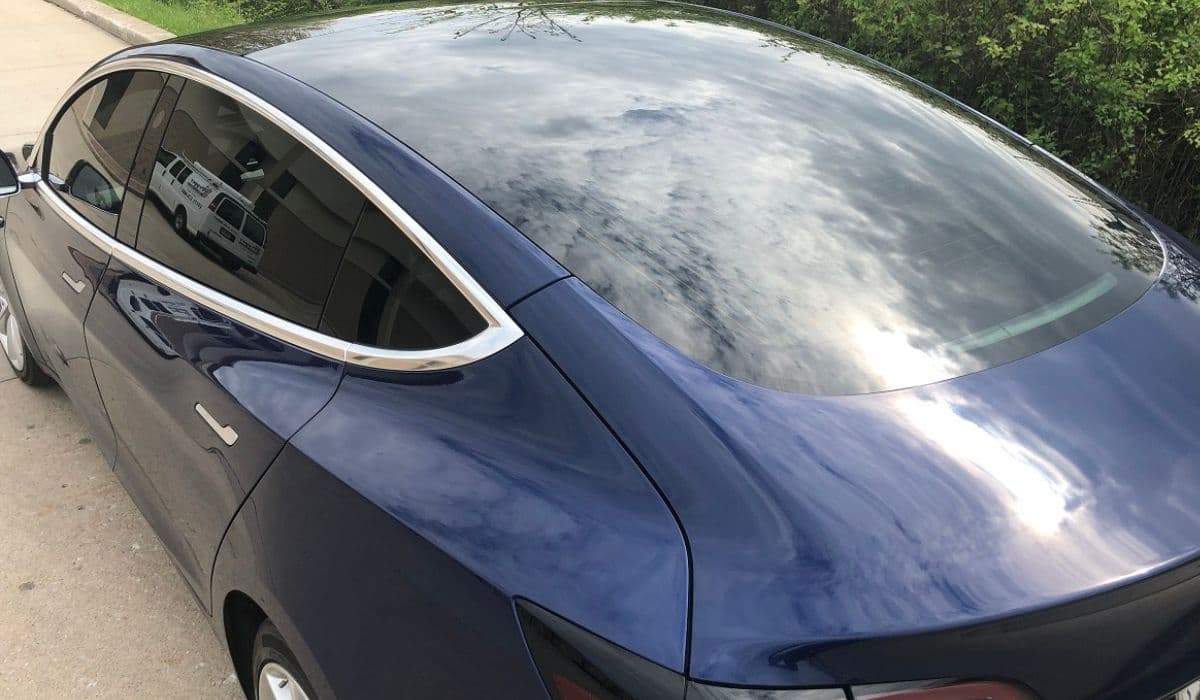
The Tesla Model Y features an expansive all-glass roof that enhances the cabin's openness and modern appeal, but the rear fixed glass section can sometimes develop cracks due to road debris impacts, thermal stress from temperature fluctuations, or minor structural flexing over time. While the panoramic design is engineered for durability with laminated layers to prevent shattering, a visible crack compromises aesthetics and can potentially spread. Replacing the rear glass roof restores the vehicle's sleek profile and structural integrity.
This process involves precise removal of the bonded glass panel and careful installation of a replacement. Although Tesla recommends professional service for such repairs to ensure proper alignment and sealing, experienced DIY enthusiasts with access to specialized tools can undertake it in a controlled environment. The job requires patience, as improper handling risks damaging surrounding paint, seals, or interior components.
Understanding the Rear Glass Roof Structure
The Model Y's roof consists of two main fixed glass panels: a front section over the driver and front passenger, and a rear section extending toward the liftgate. The rear glass is bonded directly to the body with high-strength urethane adhesive, providing rigidity to the unibody structure. It includes alignment datums—small locating pins or markers—at the front center and rear areas to ensure perfect positioning during installation.
Unlike traditional metal roofs, this glass contributes to the vehicle's torsional stiffness, making accurate replacement essential for maintaining handling characteristics. The glass is tempered and laminated, meaning cracks typically stay contained but still require attention to avoid moisture ingress or further propagation.
Common crack patterns include:
Linear stress fractures starting from edges without obvious impact points
Star-shaped chips from flying rocks or gravel
Long runs along the center due to thermal expansion differences
Early detection is key—inspect the roof regularly, especially after highway drives or extreme weather changes.
Safety Precautions and Preparation
Working on automotive glass demands strict safety measures to avoid injury from sharp edges or adhesive fumes.
Essential protective gear includes:
Cut-resistant gloves to handle glass and cutting tools
Safety glasses to shield against debris
Respirator mask for urethane primer and adhesive vapors
Long sleeves and pants to protect skin
Park the vehicle in a clean, well-ventilated garage with stable temperatures above 50°F (10°C) for optimal adhesive curing. Open all doors, lower windows, and open the liftgate for access.
Preparation steps:
Apply painter's tape along body panels adjacent to the roof to prevent paint scratches
Cover interior seats and dashboard with drop cloths
Disconnect the negative battery terminal if working near electrical components
Have an assistant available for lifting heavy glass panels
Gather a padded workbench or stand for placing the removed glass safely upside down.
Required Tools and Materials
Specialized glass removal tools are crucial for cutting through the thick urethane bead without damaging the vehicle.
Key tools:
Wire cutting kit (such as WRD Spider or equalizing square wire system) with nylon or steel cutting line
Suction cup handles (four for secure glass lifting)
Cold knife or equalizer blade for initial datum separation
Urethane scraper and isopropyl alcohol wipes for cleanup
Caulking gun with high-strength automotive urethane (Tesla-approved like Betaseal or Sika)
Primer for urethane adhesion
A replacement rear fixed glass panel must match OEM specifications, including any integrated antennas or heating elements if equipped. Clean all surfaces thoroughly before proceeding.
Removing the Cracked Rear Glass
Begin by protecting the headliner—insert a flexible guard between the interior fabric and glass edge.
Locate and release the alignment datums using a short blade tool; feel for them if not visible
Pierce the urethane at a rear corner with the starter tool and feed the cutting wire through
Route the wire around the perimeter, staying under exterior seals but above internal brackets
Use steady, alternating pulls from inside the vehicle to saw through the adhesive
If the wire snags on roof brackets, reverse direction or adjust anchor points. Once fully cut, attach suction cups and lift the glass with assistance. Place it carefully on a padded surface and discard responsibly.
Clean the bonding surface:
Scrape remaining urethane to a thin, even layer (about 1mm thick)
Wipe with alcohol for a contaminant-free base
Inspect for damaged datums or plugs and replace as needed
Installing the New Rear Glass Roof
Prime the vehicle body and glass edges according to manufacturer instructions, allowing full dry time.
Apply fresh urethane in a continuous bead, following the original path—typically triangular in cross-section for strength.
Position the new glass with suction cups, aligning datums precisely to body holes
Gently set the panel, checking gap and flushness to windshield, sides, and liftgate
Press evenly to seat without excess squeeze-out
Tape temporarily if needed for initial hold
Allow full cure time per adhesive specs—often several hours minimum, with restrictions on driving or exposure to moisture. Reinstall any displaced seals and remove protective tape.
Post-Installation Checks and Maintenance Tips
After curing, inspect for uniform gaps, water-tight seals, and no air leaks. Test by gently pressing around edges and running a hose over the roof.
To prevent future cracks:
Avoid parking under trees or construction areas
Drive cautiously on gravel roads
Consider applying protective film for added impact resistance
Monitor for unusual noises indicating seal issues
A properly replaced rear glass roof not only eliminates the crack but rejuvenates the Model Y's signature open-air feel, ensuring years of enjoyable driving.
More from Tesla
How to fix FSD visualization lag after Tesla 2025.14 update
16.12.2025 07:02
How to replace Tesla Model 3/Y rear bumper clips (easy DIY)
16.12.2025 05:46
How to fix phantom drain overnight Tesla
16.12.2025 04:50
How to replace octopus coolant leak (Tesla Model 3 2017–2020)
16.12.2025 03:21
How to replace torn rear seat bolsters Tesla
16.12.2025 03:09