How to replace HEPA cabin air filter (prevent odors in Tesla Model 3/Y)
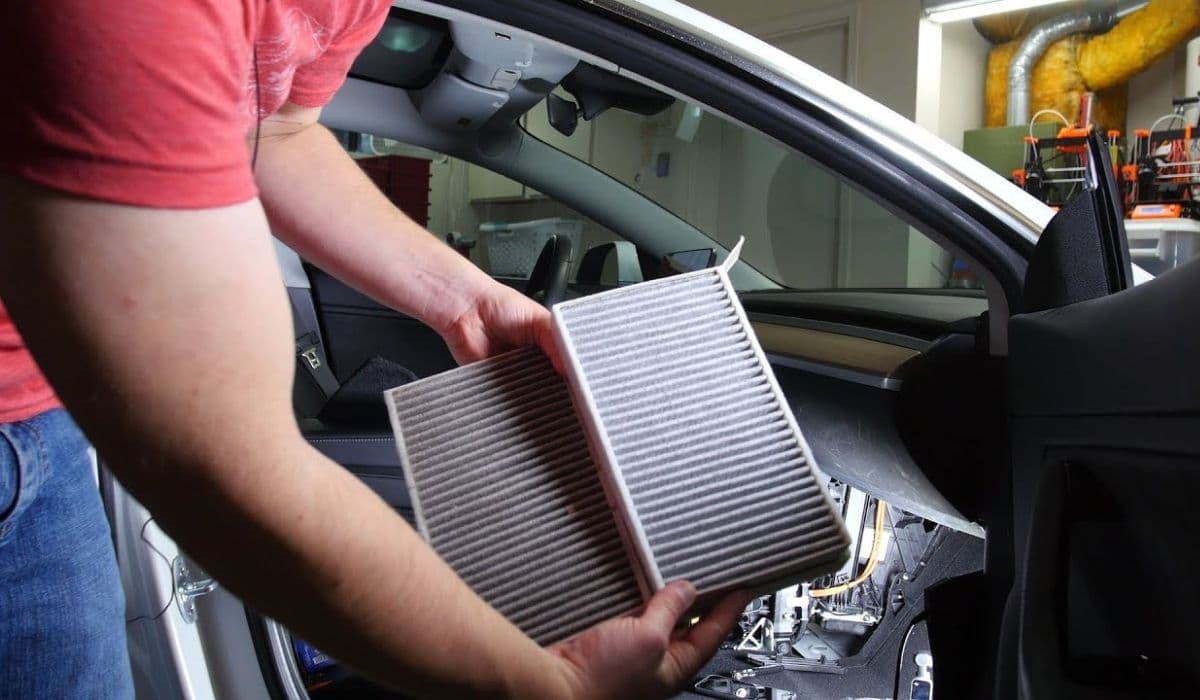
Maintaining fresh air inside your Tesla Model 3 or Model Y goes beyond just ventilation—it's about ensuring the advanced HEPA filtration system works at peak efficiency. The cabin air filter traps pollutants, pollen, and even microscopic particles, but over time, it can accumulate debris that leads to unpleasant odors. Replacing it yourself is a straightforward DIY task that saves time and keeps your drive smelling clean. This guide walks you through the process step by step, highlighting tips to prevent musty smells and extend the filter's lifespan.
Understanding the HEPA Filter's Role in Odor Prevention
The HEPA cabin air filter in Tesla Model 3 and Model Y is a high-efficiency powerhouse designed to capture 99.97% of particles as small as 0.3 microns. Unlike standard filters, it includes activated carbon layers that absorb volatile organic compounds (VOCs) and gases responsible for odors from traffic, food spills, or external pollution.
When the filter clogs:
Airflow restricts, forcing the HVAC system to recirculate stale air.
Trapped moisture breeds bacteria and mold, creating that damp, funky smell.
Odors from outside seep in more easily during recirculation mode.
Regular replacement every 12,000 to 15,000 miles—or sooner in dusty environments—prevents these issues. Pro tip: If you notice a vinegar-like scent when turning on the AC, it's a sign of microbial growth on the filter.
Tools and Materials You'll Need
Gathering the right items makes the job quick and frustration-free. No fancy equipment required—just basic hand tools.
Phillips head screwdriver (medium size for glovebox screws).
New HEPA cabin air filter compatible with Model 3/Y (ensure it matches the OEM specs for HEPA rating).
Clean microfiber cloth for wiping surfaces.
Flashlight or phone light for better visibility in tight spaces.
Optional: Nitrile gloves to keep hands clean and avoid contaminating the new filter.
Double-check the filter's fitment by matching part numbers if possible. Avoid aftermarket options without activated carbon if odor control is your priority.
Preparing Your Tesla for the Replacement
Safety and prep work set the stage for a smooth process. Park in a well-lit, level area with good ventilation.
Turn off the vehicle completely via the touchscreen (Settings > Safety > Power Off).
Engage the parking brake for extra security.
Open the glovebox and remove all items to prevent them from falling during disassembly.
Lower the glovebox fully: Press the tabs on both sides to release the damper, then gently pull down.
This exposes the filter housing behind the glovebox. Take a moment to inspect for any loose debris or signs of water intrusion, which could indicate a separate HVAC issue.
Step-by-Step Removal of the Old Filter
Removing the old filter requires care to avoid scattering dust inside the cabin.
Locate the filter access panel: It's a rectangular cover at the rear of the glovebox area, secured by clips or screws.
Unscrew or unclip the panel: Use the Phillips screwdriver for any fasteners; most models have two screws.
Slide out the old filter: Grasp the edges firmly and pull straight out. It may be dirty—hold it away from your face.
Inspect the housing: Shine your light inside to check for leaves, rodent nests, or excessive grime.
Common discovery: In humid climates, you'll see black mold spots on the old filter, confirming why odors persist. Dispose of the used filter in a sealed bag to contain particles.
Cleaning the Filter Housing to Eliminate Odors
Don't skip this—it's key to preventing smells from returning immediately.
Wipe interior surfaces with a damp microfiber cloth (use distilled water to avoid mineral deposits).
For stubborn residue: Mix a mild solution of water and baking soda; apply sparingly and dry thoroughly.
Allow full drying: Run the fan on high (without heat) for 10 minutes with doors open to evaporate moisture.
This step disrupts any biofilm buildup. In Tesla's sealed cabin design, even small amounts of trapped humidity can ferment into odors, so thorough cleaning is non-negotiable.
Installing the New HEPA Filter
Fresh filter in hand, installation reverses the removal but with precision for optimal sealing.
Orient the filter correctly: Arrows on the frame indicate airflow direction—usually pointing toward the cabin.
Slide it in gently: Push until it seats fully without forcing; misalignment causes air leaks and reduced efficiency.
Resecure the panel: Clip or screw it back, ensuring no gaps.
Reassemble the glovebox: Lift it up, reattach the damper, and test opening/closing.
Power on the Tesla and run the HVAC in recirculation mode briefly to confirm strong airflow. No unusual noises? You're good.
Post-Replacement Checks and Odor Prevention Tips
After installation, verify everything works and adopt habits to keep odors at bay.
Test air quality: Drive with AC on; fresh, neutral scent means success.
Monitor for leaks: Feel around vents for bypassed air.
Preventive measures:
Use recirculation mode in polluted areas to reduce filter load.
Avoid eating strong-smelling foods inside; crumbs invite bacteria.
Park in shaded areas to minimize heat-induced off-gassing from interiors.
Run the "Cabin Overheat Protection" feature sparingly—it can pull in humid air.
If odors linger post-replacement, check evaporator coils for deeper mold (a rare but possible issue requiring professional cleaning).
Advanced Troubleshooting for Persistent Odors
Sometimes, the filter isn't the sole culprit. Dive deeper if smells return quickly.
HVAC drain tube clog: Located under the frunk, clear it with a zip tie to prevent water backup.
Bioweapon Defense Mode: Activate it periodically—it pressurizes the cabin and filters aggressively.
Cabin air intake: Ensure the cowl area under the wipers is free of leaves; debris here funnels into the system.
Tesla's app allows scheduling service if DIY fixes fall short, but most odor issues resolve with a fresh filter and cleaning.
Replacing the HEPA cabin air filter in your Model 3 or Y is empowering— it restores that new-car freshness while honing your EV maintenance skills. With these detailed steps, you'll breathe easier on every journey.
More from Tesla
How to fix HVAC blend door actuator clicking noise Tesla
16.12.2025 13:16
How to fix FSD visualization lag after Tesla 2025.14 update
16.12.2025 07:02
How to fix phantom drain overnight Tesla
16.12.2025 04:50
How to replace octopus coolant leak (Tesla Model 3 2017–2020)
16.12.2025 03:21
How to replace torn rear seat bolsters Tesla
16.12.2025 03:09