Tesla: How to fix panoramic roof creaks/noise
Tesla vehicles are renowned for their sleek design and innovative features, including the expansive panoramic glass roof that offers stunning views and a sense of openness. However, over time, owners may encounter annoying creaks, cracks, or ticking noises emanating from this area. These sounds can disrupt the otherwise silent driving experience that electric vehicles provide. Addressing them promptly not only restores cabin quietness but also prevents potential long-term wear on components. This guide delves into the intricacies of diagnosing and repairing these issues, drawing from common owner experiences across models like the Model S, Model Y, and Model 3.
Understanding the Panoramic Roof System in Tesla Cars
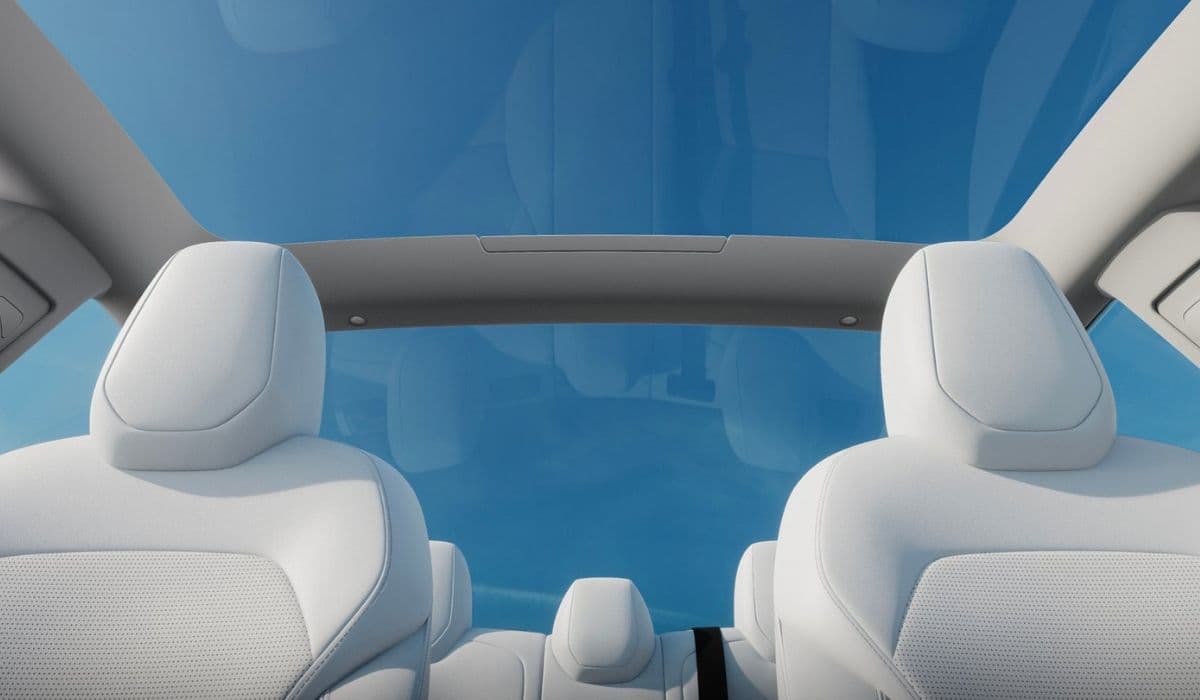
The panoramic roof in Tesla models is a fixed or operable glass panel that spans much of the vehicle's top, enhancing natural light and aesthetics. In older Model S variants, it features a sliding mechanism with tracks, seals, and support beams, allowing it to open for ventilation. Newer models like the Model Y and refreshed Model 3 incorporate a one-piece glass roof integrated with the windshield and rear window, creating a seamless canopy. Key components include rubber seals around the edges to prevent water ingress and wind noise, metal crossmembers for structural support, brackets that secure the glass to the body, and sliding tabs that guide movement in operable versions.
These elements are engineered for durability, but the roof's rigidity contrasts with the body's slight flex during driving, leading to friction points. Temperature fluctuations cause materials to expand and contract differently—glass remains stable, while rubber seals and plastic trims may harden or soften. Debris accumulation in tracks or seals exacerbates problems, as does improper installation of accessories like roof racks, which can stress the glass mounting points. Understanding this system helps pinpoint why noises occur, often described as creaking like styrofoam rubbing, cracking akin to plastic flexing, or ticking from loose trims.
Identifying Common Causes of Creaks and Noises
Creaks and noises in the panoramic roof rarely indicate structural failure but stem from everyday wear and environmental factors. One prevalent issue is friction between the crossmember support beam and body brackets, where hard plastic components rub together, producing a styrofoam-like squeak. This is especially noticeable in Model S vehicles after accumulating 2,000 to 4,000 miles, intensifying over bumps or during body torsion on uneven roads.
Temperature plays a significant role; sounds worsen in warmer conditions as materials expand, or after transitioning from a cool garage to a hot day. In Model Y and Model 3, ticking noises often arise from the glass roof trim pieces, particularly around the telematics unit above the driver's head, where contact points in the headliner vibrate. Debris such as leaves, twigs, or dirt in the roof tracks can cause clicking when the vehicle moves, while dry rubber seals lead to cracking sounds due to lack of lubrication.
Accessory-related problems are common too. Installing OEM roof racks on Model Y can result in cracking noises if the torque isn't precisely set, causing the metal pockets under the glass to flex or sealant to crack. Rear hatch misalignment in Model Y might indirectly affect roof seals, leading to creaks from insufficient latch pressure. Seatbelt buckles or loose interior trims near the roof can mimic these sounds, so isolation is key. Overall, these causes are interconnected, with body flex, material degradation, and external additions contributing to the symphony of unwanted noises.
Step-by-Step Diagnostic Process
Before attempting repairs, a thorough diagnosis ensures you're targeting the right source. Start by driving the vehicle under various conditions to replicate the noise: note if it occurs over bumps, during acceleration, or only when the roof is closed. Park in a quiet area and listen while gently rocking the car side-to-side to simulate body flex—creaks from the crossbar often emerge here.
Open the panoramic roof (if operable) and inspect the tracks for debris; use a flashlight to check seals for cracks or dryness. Tap gently on the headliner above the rear seats or near the B-pillar to reproduce ticking sounds, which might indicate loose brackets. For Model Y, test the rear hatch by adjusting bump stops slightly and listening for changes in creaking. If noises persist with the roof vented but vanish when fully open, the sliding tab under the windshield is likely worn.
Document the sound with a recording app, noting mileage, temperature, and road type. Check for any aftermarket modifications, like roof racks, and verify their installation torque (aim for 2.5-3.5 Nm). Isolate interior sources by securing seatbelts and removing loose items. If the noise varies with temperature, park the car in direct sunlight for an hour and retest. This methodical approach narrows down causes, preventing unnecessary disassembly.
Simple DIY Repairs for Minor Issues
For accessible problems, several DIY fixes can silence the roof without specialized tools. Begin with cleaning: with the roof open, use a soft cloth and mild cleaner like Glass Plus to wipe the sliding tab and tracks, removing any accumulated debris with tweezers. This alone resolves clicking from foreign objects.
Lubrication is next—apply a silicone-based spray or gummy lubricant to the rubber seals around the roof's perimeter. Avoid petroleum-based products, as they degrade rubber; opt for automotive-grade silicone to restore flexibility and reduce cracking. For creaks from the crossmember, insert small pieces of foam padding or polyester stuffing into gaps accessible via the headliner edges, absorbing vibrations. In Model S, opening and closing the roof fully (not just venting) temporarily resets the mechanism, halting rattles for a drive or two.
For ticking in Model 3 trims, carefully pry the headliner edges and apply felt tape to contact points, though this requires caution to avoid damaging clips. If roof rack installation caused sounds, recheck torque with a calibrated wrench set to 2.5 Nm, ensuring brackets sit properly under metal pockets. These steps often provide immediate relief, but monitor for recurrence, as they address symptoms rather than root causes in some cases.
Advanced Fixes Requiring Tools
When basic methods fall short, escalate to fixes involving tools for more permanent results. For the sliding tab in older Model S panoramic roofs, apply electrical tape to protect against wear: cut strips to fit the tab's contours, layering two for durability, and trim edges with a precision knife. This cushions the tab as it slides under the windshield, eliminating creaking.
Addressing crossbar creaks may involve partial headliner removal—use plastic pry tools to detach clips without scratching, then stuff foam into the support beam area for sound dampening. In Model Y, adjust rear hatch bump stops outward in small increments (quarter-turns) using a screwdriver, testing after each to increase latch pressure and quiet creaks. Apply furniture felt pads to the stops for added cushioning if needed.
For persistent ticking in newer models, remove the headliner fully (following Tesla's service manual guidelines if available) and affix felt tape to all contact points around the telematics unit and trims. Tools like torque wrenches are essential for roof rack readjustments to prevent glass stress. Always work in a controlled environment, like a garage, and reassemble carefully to maintain seals. These repairs can extend component life, but if discomfort with disassembly arises, professional intervention is advisable.
When to Seek Professional Help from Tesla Service
Certain issues demand Tesla's expertise, especially if they involve warranty-covered components or complex disassembly. If creaks persist after DIY attempts or accompany other symptoms like water leaks, schedule a service appointment via the Tesla app. Service centers are familiar with panoramic roof noises; for instance, they may apply specialized foam tape between the windshield and roof gap in older models or adjust alignments in newer ones.
In cases of trim ticking, technicians remove the headliner to tape contact points, a process that's warranty-eligible if the vehicle is under coverage. Roof rack-related cracks might require inspection for sealant damage, with Tesla confirming normal sounds or replacing parts if faulty. Official bulletins, like those for C-pillar brightwork creaking, guide repairs, ensuring factory standards. Expect diagnostics to include road tests and component checks, with resolutions often covered if manufacturing-related. Delaying can worsen wear, so act if noises intensify or affect driving comfort.
Preventive Measures to Avoid Future Problems
Maintaining the panoramic roof proactively minimizes creak risks. Regularly clean tracks and seals every few months, especially after exposure to dirt or pollen, using gentle cleaners to prevent buildup. Apply lubricant seasonally, focusing on temperature shifts—more frequently in hot climates where rubber dries faster.
Avoid overloading roof racks or installing them without precise torque settings; always align over designated arrows under the glass. Park in shaded areas to reduce thermal stress, and cycle the roof open/closed periodically to keep mechanisms moving. For Model Y, keep rear hatch seals clean and lubricated with silicone spray to prevent indirect creaks. Inspect for early signs during routine drives, addressing minor noises before they escalate. These habits preserve the roof's integrity, ensuring years of silent, enjoyable drives in your Tesla.
More from Tesla

How to fix HVAC blend door actuator clicking noise Tesla
16.12.2025 16:16
How to fix FSD visualization lag after Tesla 2025.14 update
16.12.2025 10:02
How to fix phantom drain overnight Tesla
16.12.2025 07:50
How to replace octopus coolant leak (Tesla Model 3 2017–2020)
16.12.2025 06:21
How to replace torn rear seat bolsters Tesla
16.12.2025 06:09