Tesla: How to replace blend door actuator noise
Tesla vehicles are renowned for their innovative climate control systems, delivering precise temperature regulation and quiet cabin comfort. However, one common annoyance reported by owners across models like the Model 3, Model Y, Model S, and Model X is an unusual noise coming from the HVAC system—often described as clicking, ticking, knocking, or thumping. This sound typically originates from the blend door actuator, a small but critical component that manages the mix of hot and cold air.
Understanding the root cause and how to address it can restore the serene driving experience Tesla owners expect. This guide dives into the details of this issue, its symptoms, diagnosis, and a practical approach to replacement, drawing from real owner experiences and technical insights.
Understanding the Blend Door Actuator in Tesla Vehicles
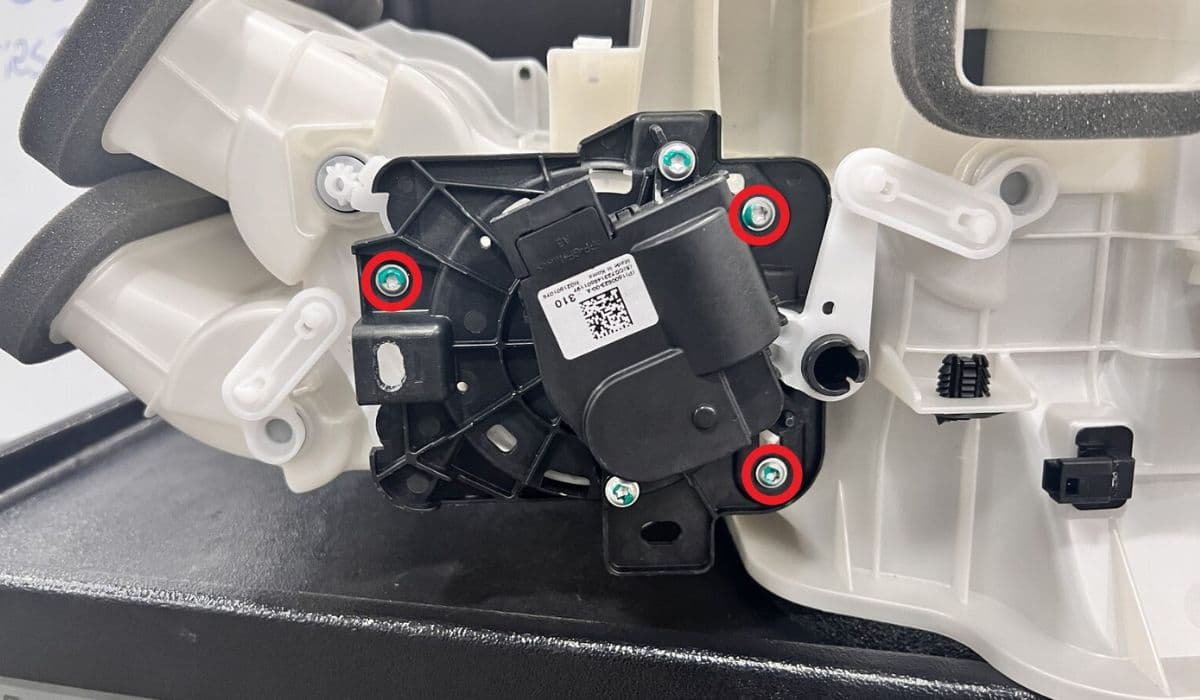
The blend door actuator is an electric motor assembly integrated into the HVAC housing behind the dashboard. It controls a flap—known as the blend door—that directs airflow over the heater core or evaporator to achieve the desired cabin temperature.
In Tesla's advanced dual-zone or multi-zone climate systems, multiple actuators handle different functions:
Temperature blending (hot/cold mix)
Mode selection (vents, floor, defrost)
Recirculation (fresh vs. cabin air)
These actuators use internal plastic gears to rotate precisely based on signals from the touchscreen controls. Over time, wear on these gears can lead to slippage, causing the motor to "hunt" for position and produce repetitive noises.
Tesla's HVAC design emphasizes efficiency and minimalism, but the reliance on compact plastic components makes actuators susceptible to premature failure compared to traditional metal-geared systems in other vehicles.
Common Symptoms of a Faulty Blend Door Actuator
Owners often first notice the issue through auditory cues, but functional problems can follow if left unaddressed.
Key signs include:
Repetitive clicking or ticking from behind the dashboard, especially on startup, when adjusting temperature, or during automatic climate cycling
Knocking or thumping sounds when the system initializes or switches modes
Inconsistent air temperature—one side blows hot while the other is cold, or temperature fluctuates unexpectedly
Reduced airflow from certain vents or uneven distribution across the cabin
Noise persisting even with climate control off, as actuators calibrate upon vehicle wake-up
These symptoms are frequently reported in online Tesla communities, with many owners noting the noise starts intermittently before becoming constant. In heat pump-equipped models, the issue can interact with compressor cycling, amplifying the annoyance during cooling demands.
Diagnosing the Problem
Before diving into repairs, confirm the blend door actuator is the culprit to avoid unnecessary work.
Effective diagnostic steps:
Listen carefully to pinpoint the noise—driver side, passenger side, or center dash often indicates specific actuators (e.g., inlet or mode door)
Cycle temperature settings from full cold to full hot while monitoring for noise escalation
Toggle recirculation and vent modes to isolate mode or intake actuators
Check for HVAC alerts on the touchscreen, though faults may not always trigger warnings
Temporarily disable climate control and observe if noise occurs on vehicle entry (common with stuck actuators)
Many owners find that tapping near suspected areas or manually moving controls reproduces the sound. If symptoms match and no other issues like low refrigerant are present, the actuator is likely at fault.
Tools and Preparation for Replacement
Replacing a blend door actuator in a Tesla is often a manageable DIY task, thanks to accessible designs in many models. Difficulty varies by model and actuator location—some require minimal disassembly, while others involve glovebox or panel removal.
Essential tools:
Phillips and Torx screwdrivers (stubby versions for tight spaces)
Trim removal tools to avoid damaging panels
Socket set for any fasteners
Flashlight or work light for visibility
Preparation tips:
Park in a well-lit, ventilated area
Disconnect the 12V battery if working near electrical components for safety
Note actuator orientation before removal for proper reinstallation
Source genuine replacement parts to ensure compatibility and durability
Always work patiently—Tesla interiors use delicate clips that can break if forced.
Step-by-Step Replacement Process
While exact steps differ by model (consult owner forums for specifics), the general process follows a similar pattern.
Typical procedure:
Remove obstructing trim panels, vents, or glovebox to access the HVAC housing
Locate the actuator—often secured by 2-3 screws and an electrical connector
Disconnect the wiring harness carefully
Unscrew and gently remove the old actuator, noting shaft alignment
Align the new actuator's slot with the blend door shaft (rotate manually if needed)
Secure with screws, reconnect wiring
Reassemble panels in reverse order
Reconnect battery and test by cycling climate settings
For some actuators, like the inlet type, wiggling vents or pulling down panels provides access without full dash disassembly. Post-installation, the system often self-calibrates, but running a full temperature sweep ensures smooth operation.
Owners report significant improvements—noise elimination and restored precise control—after successful swaps.
Preventing Future Issues
While actuator failures stem from design wear, proactive habits can extend component life.
Helpful practices:
Avoid extreme temperature swings that stress gears
Regularly replace cabin air filters to reduce system strain from debris
Use preconditioning features sparingly in harsh conditions
Monitor for early intermittent noises as a warning sign
Some enthusiasts explore reinforced aftermarket parts, though genuine replacements remain the reliable choice for seamless integration.
Addressing blend door actuator noise promptly not only silences the distraction but preserves the refined cabin ambiance that defines Tesla ownership. With basic tools and careful execution, many drivers resolve this themselves, reclaiming quiet comfort on every journey.
More from Tesla
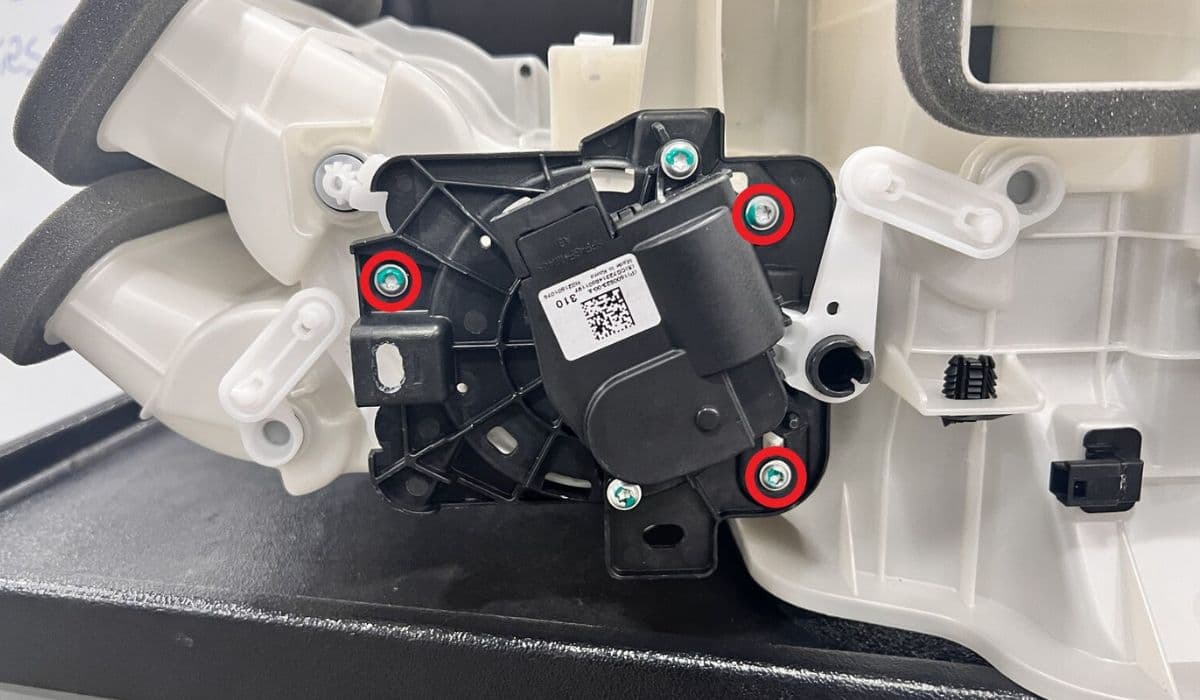
How to fix HVAC blend door actuator clicking noise Tesla
16.12.2025 13:16
How to fix FSD visualization lag after Tesla 2025.14 update
16.12.2025 07:02
How to fix phantom drain overnight Tesla
16.12.2025 04:50
How to replace octopus coolant leak (Tesla Model 3 2017–2020)
16.12.2025 03:21
How to replace torn rear seat bolsters Tesla
16.12.2025 03:09