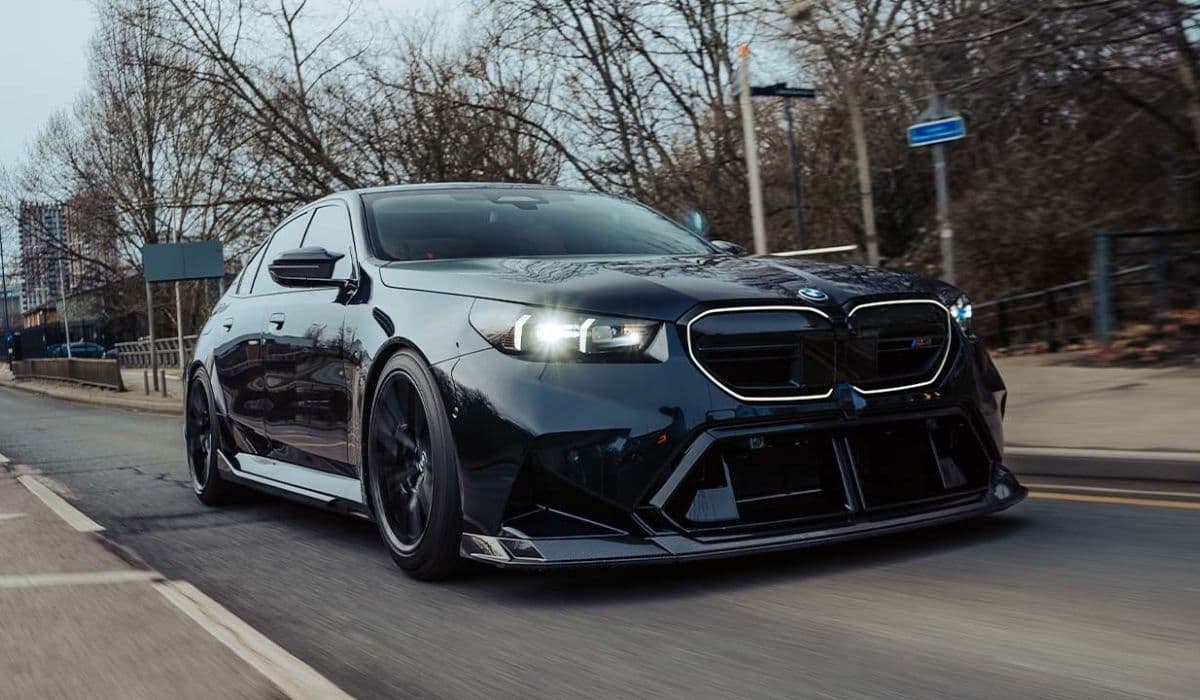
BMW 5 Series tight rear space and control distractions
The BMW 5 Series has long been celebrated as a benchmark in the executive sedan segment, blending sharp driving dynamics, luxurious appointments, and cutting-edge technology. However, even iconic models have areas that draw criticism from owners and reviewers alike. Two recurring points of discussion are the relatively tight rear passenger space and the potential distractions posed by the infotainment control system. These aspects can influence the overall ownership experience, particularly for those who frequently carry rear passengers or prioritize intuitive controls during daily drives.
Rear Legroom and Headroom Challenges
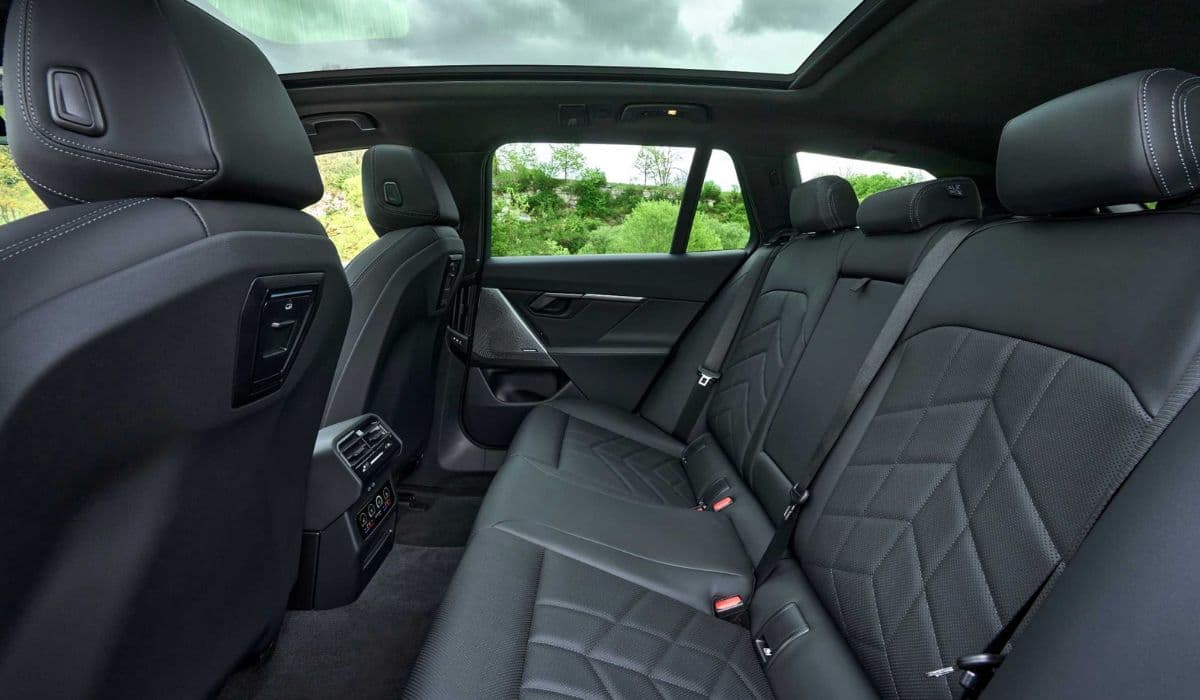
One of the most frequently mentioned limitations of the BMW 5 Series is the rear seating area, which feels more constrained than in some rival executive sedans.
Rear legroom is adequate for average-height adults on shorter journeys but becomes noticeably restrictive when front seats are adjusted for taller drivers.
The sloping roofline, a hallmark of the car's sporty silhouette, reduces headroom for rear passengers, especially those over six feet tall.
The transmission tunnel creates a pronounced hump in the floor, making the middle seat less comfortable for a third occupant, effectively limiting the car to four passengers in real-world comfort.
While the front cabin offers generous space and excellent ergonomics for the driver and front passenger, the rear prioritizes style and aerodynamics over outright spaciousness. Families or executives who regularly transport adult passengers in the back may find themselves wishing for a few extra inches of stretch-out room.
Seating Comfort and Practicality in the Rear
Beyond raw dimensions, the rear seat experience reveals additional nuances.
Seat cushions are supportive and well-shaped, providing good thigh support, yet the limited knee clearance can lead to a slightly cramped posture over longer trips.
Door openings are reasonably wide, easing entry and exit, but taller passengers might need to duck to avoid the roofline.
Storage options in the rear are functional, with door pockets and a central armrest bin, though they are not exceptionally generous.
These factors combine to make the 5 Series better suited to drivers who occasionally carry rear passengers rather than those who rely on it as a chauffeur-driven vehicle. The focus remains firmly on delivering an engaging experience from behind the wheel.
Infotainment Controls and Driver Distraction
The iDrive system in the BMW 5 Series represents one of the most advanced infotainment interfaces available, yet its complexity can introduce distractions.
The rotary controller, touchscreen, and gesture controls offer multiple input methods, which some drivers find overwhelming during initial familiarity periods.
Deep menu structures require several steps for common adjustments, such as climate settings or navigation inputs, potentially diverting attention from the road.
Voice recognition, while capable, occasionally struggles with accents or background noise, prompting manual intervention.
BMW has continually refined iDrive over generations, adding shortcut buttons and customizable favorites to streamline access. Still, the sheer breadth of features means that mastering the system fully takes time, and partial familiarity can lead to moments of distraction.
Steering Wheel Controls and Physical Buttons
Complementing the central iDrive controller, the steering wheel hosts an array of buttons that help mitigate some distraction concerns.
Multifunction controls allow quick adjustments to audio volume, track selection, and cruise control without removing hands from the wheel.
Physical shortcuts for driver assistance systems and phone functions are logically placed and easy to operate by touch.
However, the density of buttons requires muscle memory; new owners often glance down briefly until the layout becomes second nature.
The combination of tactile feedback and logical grouping makes these controls among the best in the class once learned, though the learning curve itself can temporarily increase cognitive load.
Balancing Technology with Driving Focus
BMW has made efforts to address distraction risks through thoughtful design choices.
The head-up display projects essential information directly into the driver's line of sight, reducing the need to look away from the road.
Apple CarPlay and Android Auto integration places familiar smartphone interfaces within the system, often simpler for routine tasks.
Driver attention monitoring systems gently alert if signs of distraction or drowsiness are detected.
These features demonstrate a commitment to safety amid increasing technological integration. Nevertheless, the overall interface demands active engagement, which contrasts with simpler, more analog-focused controls found in some competing models.
Who the 5 Series Suits Best
Ultimately, the BMW 5 Series excels for enthusiasts who prioritize driving involvement and are willing to invest time in mastering its systems.
Solo commuters or couples will appreciate the driver-centric layout and rarely notice rear space limitations.
Those who value dynamic handling and premium build quality often accept the trade-offs in rear accommodation and control complexity.
Buyers needing maximum rear passenger comfort or minimalist interfaces might explore alternatives with more accommodating dimensions and straightforward controls.
The 5 Series remains a compelling choice for those who view the car as an extension of their driving passion rather than purely a transport pod.
More from Bmw
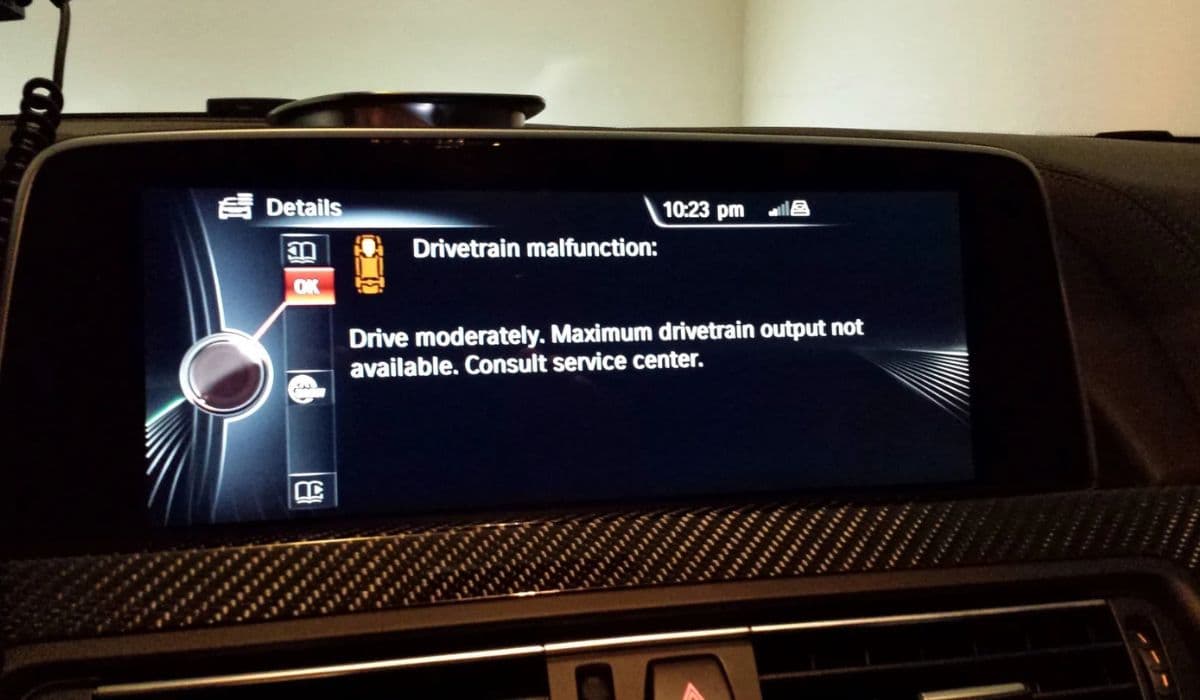
BMW OTA software updates: Fixes bugs or causes new ones?
21.12.2025 03:18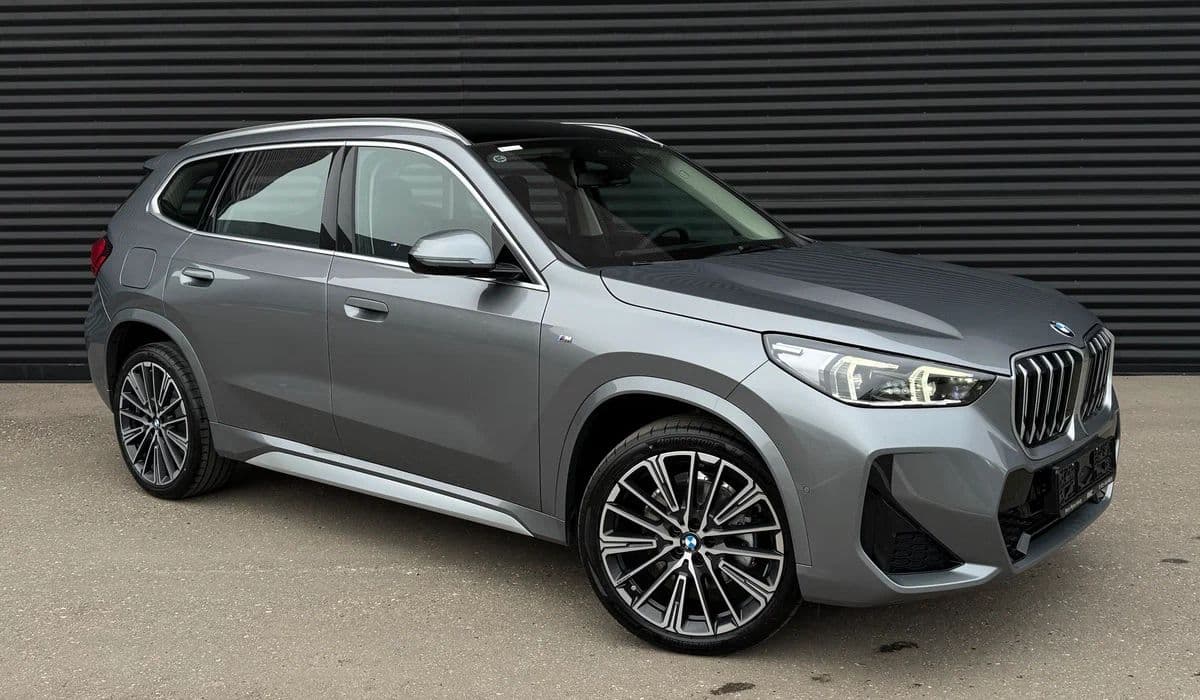
BMW X1 maintenance costs: Scary or manageable?
20.12.2025 19:33
Air suspension luxury vs frequent compressor failures BMW
20.12.2025 19:29
BMW 3 Series hybrid: Smooth but battery integration quirks
20.12.2025 19:25
BMW Plastic degradation issues: Vents, dash, and brittle parts
20.12.2025 19:20