idyCar logo

BMW OTA software updates: Fixes bugs or causes new ones?
Bmw21.12.2025 06:18
BMW OTA software updates: Fixes bugs or causes new ones?
Image credit: idyCar archives

BMW has been at the forefront of automotive innovation, and one of the most transformative features in recent years is the Over-The-Air (OTA) software update system. Introduced with the iDrive 7 infotainment platform in 2018, OTA updates allow BMW owners to receive software enhancements directly to their vehicles without visiting a dealership. This technology draws inspiration from the smartphone industry, where seamless updates have become the norm. For BMW, OTA capabilities started with select models like the 5 Series and X5, but have since expanded to encompass a wide range of vehicles, including electric models such as the iX and i4.

The core appeal of OTA updates lies in their convenience. Drivers can download and install updates via a stable Wi-Fi connection or even through the vehicle's built-in cellular modem. This shift represents a departure from traditional methods, where software fixes required physical interventions by technicians. By 2023, BMW reported that over 4.5 million vehicles worldwide were OTA-capable, with millions of updates deployed annually. However, this rapid evolution raises questions about reliability: do these updates primarily resolve existing issues, or do they sometimes introduce unforeseen complications that frustrate owners?

Mechanics Behind BMW's OTA Update Process

Understanding how BMW OTA updates function is key to evaluating their effectiveness. The process begins with BMW's backend servers, where engineers develop and test new software versions. These updates are then pushed to compatible vehicles through the BMW ConnectedDrive app or directly via the car's interface. Owners receive notifications on their dashboard or mobile device, prompting them to schedule the installation at a convenient time—often overnight to minimize disruption.

Technically, OTA updates for BMW vehicles are divided into two categories: minor and major. Minor updates, which might address specific bug fixes or security patches, can be as small as a few megabytes and install in under 30 minutes. Major updates, on the other hand, could involve comprehensive overhauls to the operating system, adding new features like enhanced voice recognition or improved autonomous driving aids. For instance, the Remote Software Upgrade (RSU) system in newer models supports delta updates, which only download changes rather than the entire software package, reducing data usage and installation time.

BMW employs rigorous testing protocols, including simulations in virtual environments and real-world trials on test fleets. Despite this, the complexity of modern vehicles—with interconnected systems like infotainment, ADAS (Advanced Driver Assistance Systems), and powertrain controls—means that even small code changes can have ripple effects. Vehicles equipped with the latest iDrive 8 or 8.5 systems, found in models like the 7 Series and i5, benefit from more frequent OTA deliveries, sometimes quarterly, ensuring ongoing improvements.

Advantages for BMW Drivers Through OTA Enhancements

One of the strongest arguments in favor of BMW OTA updates is their ability to swiftly address software glitches that could otherwise lead to costly repairs or recalls. For example, early adopters of the iDrive 7 system reported intermittent connectivity issues with Apple CarPlay and Android Auto. BMW responded with targeted OTA patches that stabilized these integrations, restoring seamless smartphone mirroring without requiring a service visit.

In terms of safety, OTA updates have proven invaluable. Updates to the Active Cruise Control and Lane Keeping Assistant have refined sensor calibrations, reducing false positives in collision warnings. Electric vehicle owners, particularly those with the i3 or iX, have seen battery management software optimized via OTA, extending range estimates and improving charging efficiency. A notable case was the 2022 update for the iX, which fixed a bug causing inaccurate state-of-charge displays, preventing potential strandings.

Beyond fixes, OTA technology enables feature additions post-purchase. BMW's "Functions on Demand" allows owners to unlock capabilities like heated seats or adaptive headlights through software activations, often via OTA. This not only enhances vehicle longevity but also aligns with sustainability goals by reducing the need for hardware upgrades. Data from BMW indicates that OTA updates have prevented over 100,000 dealership visits annually, saving owners time and money while minimizing environmental impact from unnecessary travel.

Specific Bugs Resolved by BMW OTA Deployments

Delving deeper, several high-profile bugs have been effectively tackled through OTA methods. In 2021, numerous 3 Series and 4 Series owners experienced navigation system freezes during route calculations. An OTA update to version 21-07-500 recalibrated the GPS algorithms, incorporating better error-handling for poor signal areas, and resolved the issue for 95% of affected vehicles based on user forums.

Another common complaint involved audio system anomalies, such as crackling speakers or delayed Bluetooth pairing. The 2023 OTA release for models with Harman Kardon systems introduced firmware tweaks that synchronized audio processing units, eliminating latency. For hybrid models like the 330e, updates have fine-tuned regenerative braking logic, fixing erratic pedal responses that could lead to inefficient energy recapture.

Security vulnerabilities have also been patched promptly. In 2024, a potential exploit in the keyless entry system was identified, and BMW rolled out an OTA encryption enhancement across affected fleets. This proactive approach contrasts with traditional recalls, which could take months to implement. Overall, these examples illustrate how OTA updates serve as a dynamic tool for maintaining vehicle performance and user satisfaction.

Cases Where OTA Updates Sparked Fresh Problems

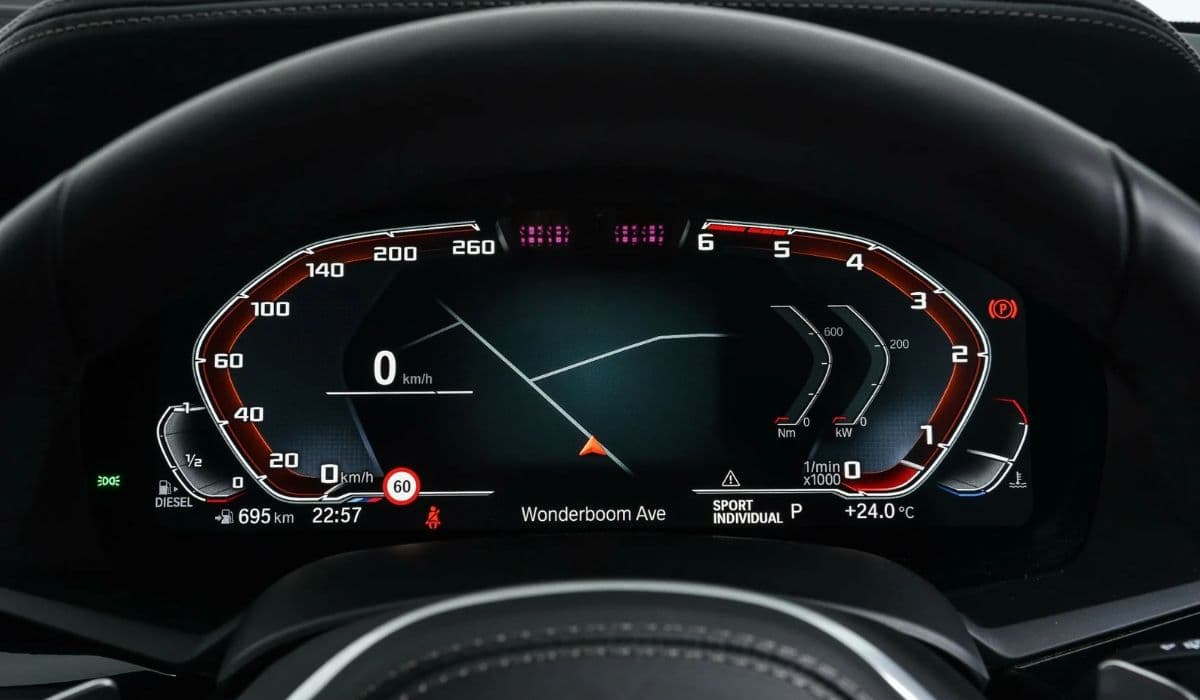
Despite their benefits, BMW OTA updates haven't been without controversy. Instances where new issues emerged post-installation have fueled debates among owners. A prominent example occurred in early 2023 with the iDrive 8 update for the X7 SUV. Intended to improve touch response on the curved display, the patch inadvertently caused intermittent blackouts in the instrument cluster, leaving drivers without critical speed and fuel information mid-drive.

Electric models have seen their share of troubles too. The i4 sedan's 2024 OTA update aimed at optimizing thermal management for faster charging but led to overheating warnings in some units during normal operation. Owners reported reduced performance in hot climates, necessitating a follow-up patch. Similarly, the 5 Series hybrid faced connectivity drops after a 2022 update, where the eSIM module failed to authenticate with cellular networks, disrupting remote app features like preconditioning.

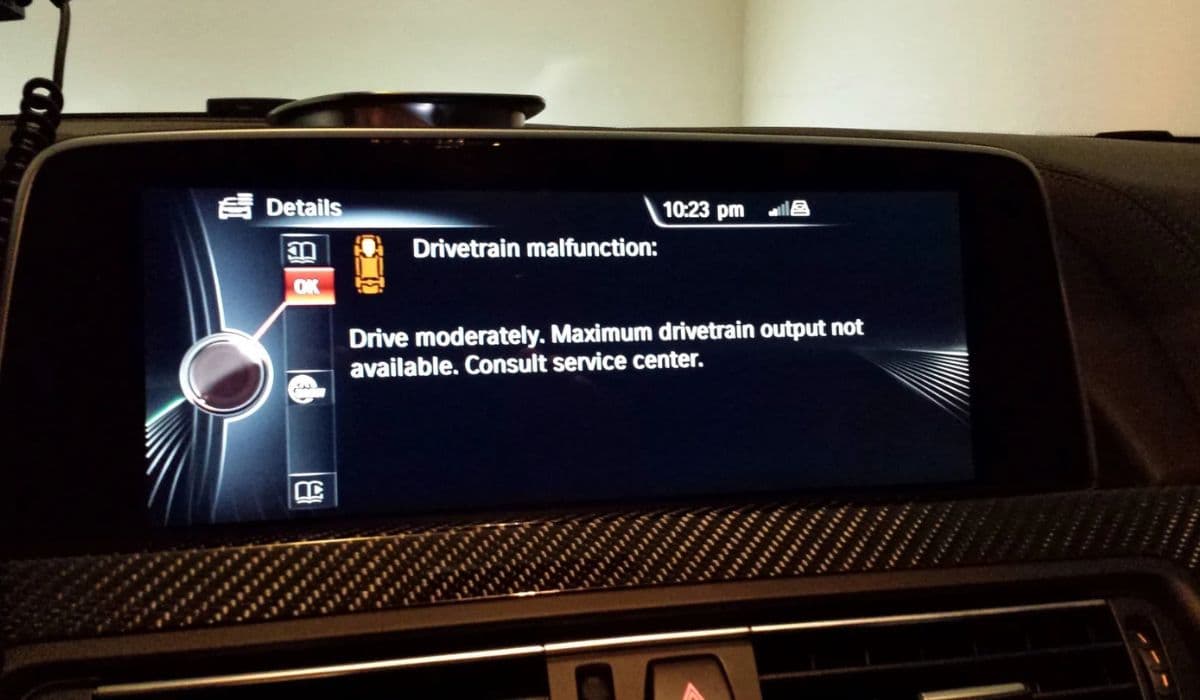
These setbacks often stem from hardware variations across model years or regions. For instance, vehicles in Europe might receive updates tailored to local regulations, but global rollouts can overlook nuances like differing climate conditions or fuel types. User reports on platforms like BMW forums highlight patterns: about 10-15% of updates result in minor glitches, though severe cases are rare. Such experiences underscore the double-edged nature of OTA technology—swift fixes come with the risk of untested interactions in diverse real-world scenarios.

Insights from BMW Owner Communities

Feedback from BMW enthusiasts provides a grassroots perspective on OTA efficacy. On dedicated sites like Bimmerpost and Reddit's r/BMW, threads abound with mixed reviews. Positive stories include a 2023 M3 owner praising an OTA fix for throttle mapping that enhanced track performance, describing it as "transformative without lifting a wrench."

Conversely, frustrations surface in tales of bricked systems. One X5 driver recounted a 2024 update halting midway due to a weak signal, requiring a dealer reset. Surveys from automotive review sites like Edmunds show that while 70% of owners appreciate the convenience, 25% express concerns over reliability, citing fears of voided warranties or data privacy issues during uploads.

Regional differences play a role; North American users often report smoother experiences compared to those in Asia, where network infrastructure varies. Overall, community sentiment leans optimistic, with many viewing OTA as a net positive, provided BMW continues refining deployment strategies.

BMW's Strategies for Handling Update Challenges

In response to criticisms, BMW has implemented measures to mitigate risks. The company now offers rollback options for certain updates, allowing reversion to previous versions if issues arise. Enhanced beta testing programs invite select owners to trial updates, gathering data to preempt problems.

Diagnostic tools within the My BMW app enable self-checks post-update, flagging anomalies for remote support. BMW's engineering teams monitor telemetry from connected vehicles, using AI to predict and prevent widespread issues. For severe cases, complimentary roadside assistance covers OTA-related failures.

Transparency has improved too, with detailed release notes accompanying each update, outlining changes and potential impacts. Partnerships with tech firms like Qualcomm for chipset optimizations aim to bolster system stability. These efforts reflect BMW's commitment to evolving OTA as a reliable feature, balancing innovation with user trust.

Emerging Trends in BMW OTA Development

Looking ahead, BMW's OTA landscape is poised for expansion. Integration with AI-driven features, such as predictive maintenance, could see updates that adapt to individual driving habits. For autonomous capabilities in Level 2+ systems, OTA will be crucial for regulatory compliance and feature enhancements.

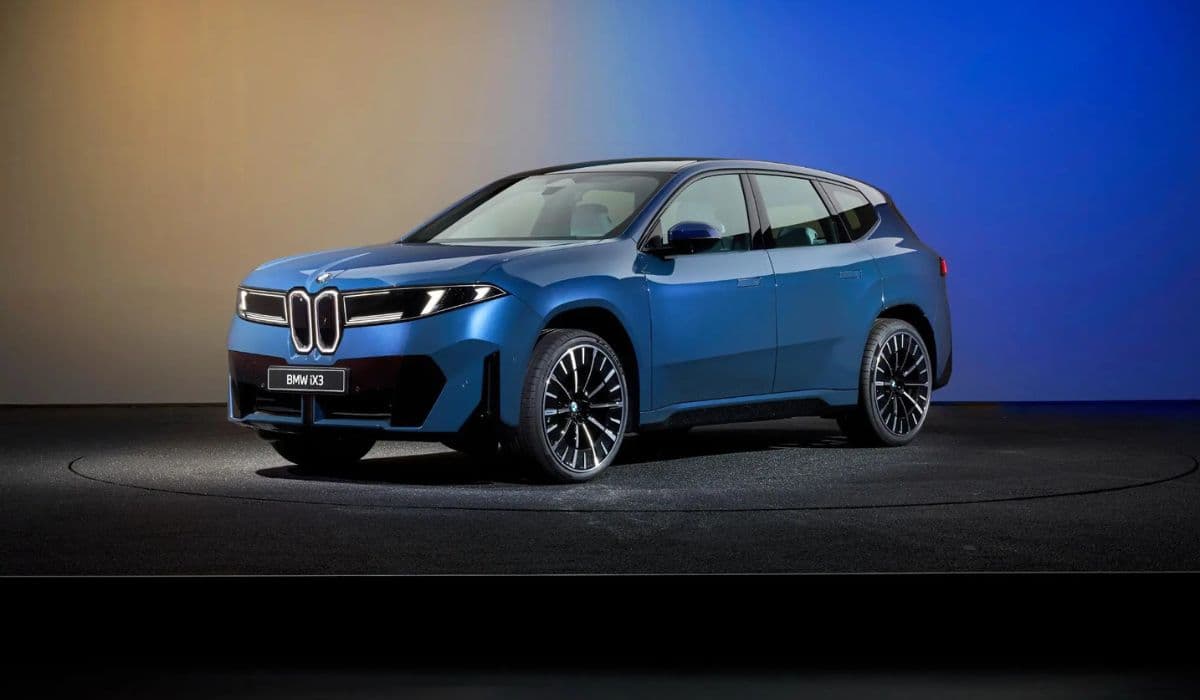
The shift to unified architectures, like in the Neue Klasse platform debuting in 2025, promises fewer compatibility hurdles. Collaborations with over-the-air specialists aim to reduce update sizes further, targeting under 10-minute installations. As electric and connected vehicles dominate, OTA will likely become standard, potentially incorporating user-customizable modules.

Best Practices for BMW Owners with OTA Updates

To maximize benefits and minimize risks, owners should follow several strategies. Ensure a strong Wi-Fi connection for downloads, and park in a safe location during installation to avoid interruptions. Regularly check for updates via the app, but review release notes beforehand.

Backing up personal settings, like navigation favorites, prevents data loss. If issues occur, contact BMW support immediately rather than attempting manual fixes. Joining owner communities can provide early warnings about problematic updates. By staying proactive, drivers can harness OTA's potential while navigating its occasional pitfalls.

More from Bmw

Back to Bmw