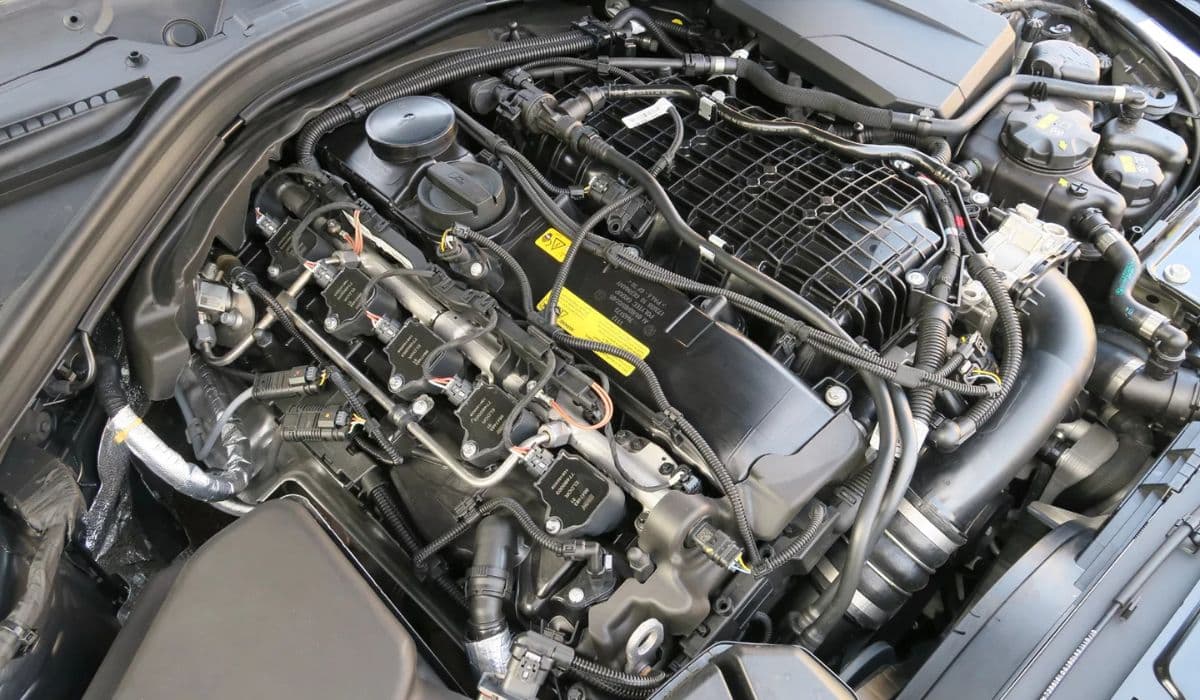
BMW X1 maintenance costs: Scary or manageable?

The BMW X1 stands out as an entry-level luxury compact SUV that delivers thrilling driving dynamics, premium interior quality, and practical versatility in a compact package. Many potential owners hesitate, however, due to the widespread reputation of BMW vehicles requiring hefty upkeep. Is owning an X1 truly a financial nightmare, or can it be kept under control with smart habits? The reality lies somewhere in the middle — higher than mainstream brands but often on par with or better than other luxury rivals when approached wisely.
Understanding the Ownership Landscape
Luxury vehicles like the BMW X1 incorporate advanced engineering, turbocharged engines, sophisticated electronics, and high-performance components that naturally demand more attention than basic commuter cars. Premium parts, specialized labor, and advanced diagnostics contribute to elevated service needs. Yet, the X1 benefits from BMW's evolving reliability improvements, particularly in newer generations, making it one of the more dependable options in the Bavarian lineup.
Owners frequently report that the joy of driving — sharp handling, responsive acceleration, and refined cabin experience — outweighs the added responsibilities. Compared to non-luxury compact SUVs, upkeep is indeed more involved, but within the premium segment against rivals like the Audi Q3, Mercedes-Benz GLA, or Volvo XC40, the X1 often holds its own, especially for those who prioritize engagement behind the wheel.
Routine Maintenance Essentials
Keeping an X1 in top shape starts with adhering to the manufacturer's recommended schedule, which includes regular oil changes using synthetic formulas, filter replacements, brake inspections, and fluid checks. BMW's condition-based service system alerts drivers via the dashboard when attention is needed, helping prevent minor issues from escalating.
Focus on high-quality synthetic oil to protect the turbocharged engine
Monitor brake pads and rotors closely due to the vehicle's spirited performance
Inspect tires regularly for even wear, as all-wheel-drive models distribute power dynamically
Check coolant and transmission fluid levels to maintain optimal operation
Many new X1 models come with complimentary scheduled maintenance for the initial ownership period, providing peace of mind and allowing owners to build good habits early. Sticking to this regimen not only preserves performance but also enhances long-term durability.
Common Issues and Prevention Strategies
While no vehicle is immune to problems, the X1 has fewer severe complaints compared to some larger BMW SUVs. Owners occasionally encounter turbo-related concerns, such as wastegate adjustments in certain engines, or minor electrical glitches like infotainment freezes that often resolve with software updates.
Other noted areas include:
Suspension components wearing faster on rough roads
Potential timing chain attention in higher-mileage examples if oil changes are neglected
Occasional transmission fluid leaks leading to shifting irregularities
Proactive steps make a significant difference. Using genuine or high-quality aftermarket parts, addressing dashboard warnings promptly, and choosing experienced technicians — whether at a dealership or certified independent shop — can mitigate risks. Many enthusiasts find that diligent care results in smooth ownership with minimal unexpected visits to the garage.
Comparing to Competitors
In the luxury compact SUV arena, the X1 faces stiff competition. Against the Audi Q3, some data suggests similar or slightly lower long-term demands for the BMW, particularly in mechanical reliability. The Mercedes-Benz GLA may edge ahead in certain electronic complexities, while the Volvo XC40 often appeals to those seeking lower intervention frequency.
What sets the X1 apart is its driver-focused character — rear-wheel-drive-based architecture (even in xDrive variants) delivers superior balance and fun compared to front-heavy rivals. For buyers valuing performance and handling, the trade-off in upkeep feels justified, as the X1 frequently ranks highly in class comparisons for overall satisfaction.
Tips for Keeping Costs Manageable
Smart ownership transforms potential burdens into predictable expenses. Consider extended service plans if planning long-term retention, as they cover major items beyond the standard warranty.
Opt for independent BMW specialists for routine work to balance quality and value
Track service history meticulously to maintain resale value
Drive responsibly to reduce wear on brakes and suspension
Stay updated on software recalls and enhancements via official channels
Enthusiast communities share that well-maintained X1s routinely surpass high mileage thresholds with mostly routine care, rewarding owners with enduring performance.
The BMW X1's maintenance demands reflect its premium status — more than everyday SUVs but competitive among luxury peers and often rewarding for those passionate about driving. With informed habits and preventive mindset, ownership proves far more manageable than scary, delivering years of engaging experiences on the road.
More from Bmw
Air suspension luxury vs frequent compressor failures BMW
20.12.2025 19:29
BMW 3 Series hybrid: Smooth but battery integration quirks
20.12.2025 19:25
BMW Plastic degradation issues: Vents, dash, and brittle parts
20.12.2025 19:20
BMW J.D. Power: Below average initial quality but improving
20.12.2025 19:16
BMW iX/i4 high-voltage shutdown recalls
20.12.2025 19:11