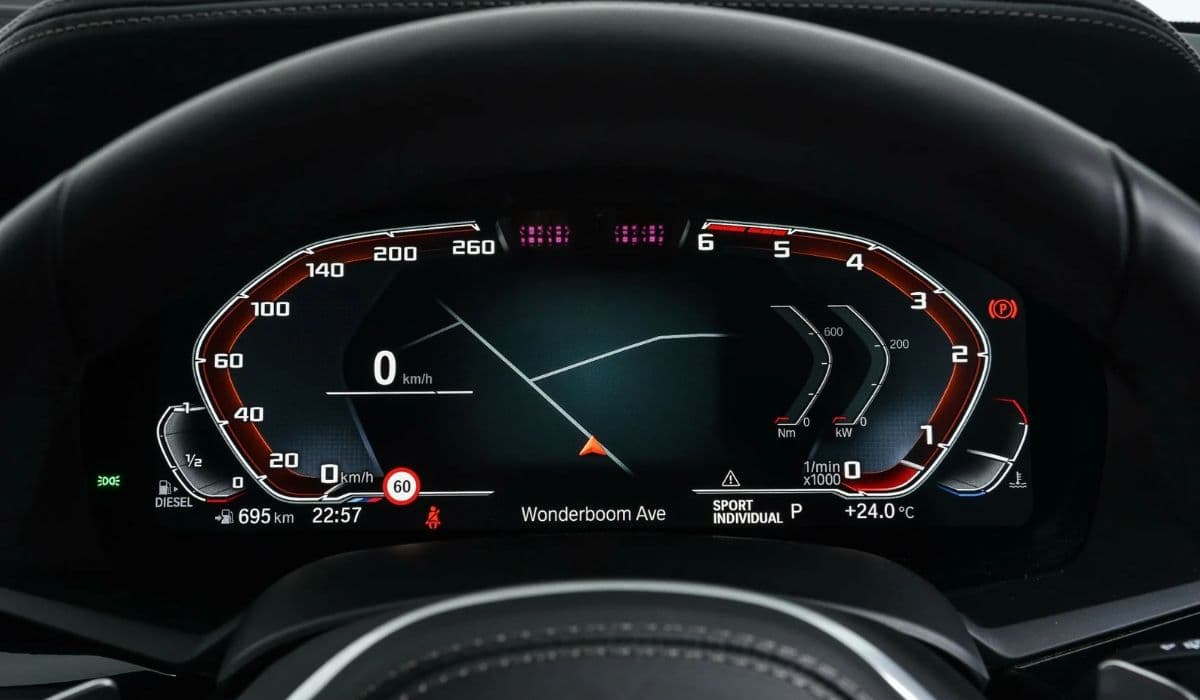
BMW Brake wear quick: 20K miles common in performance models
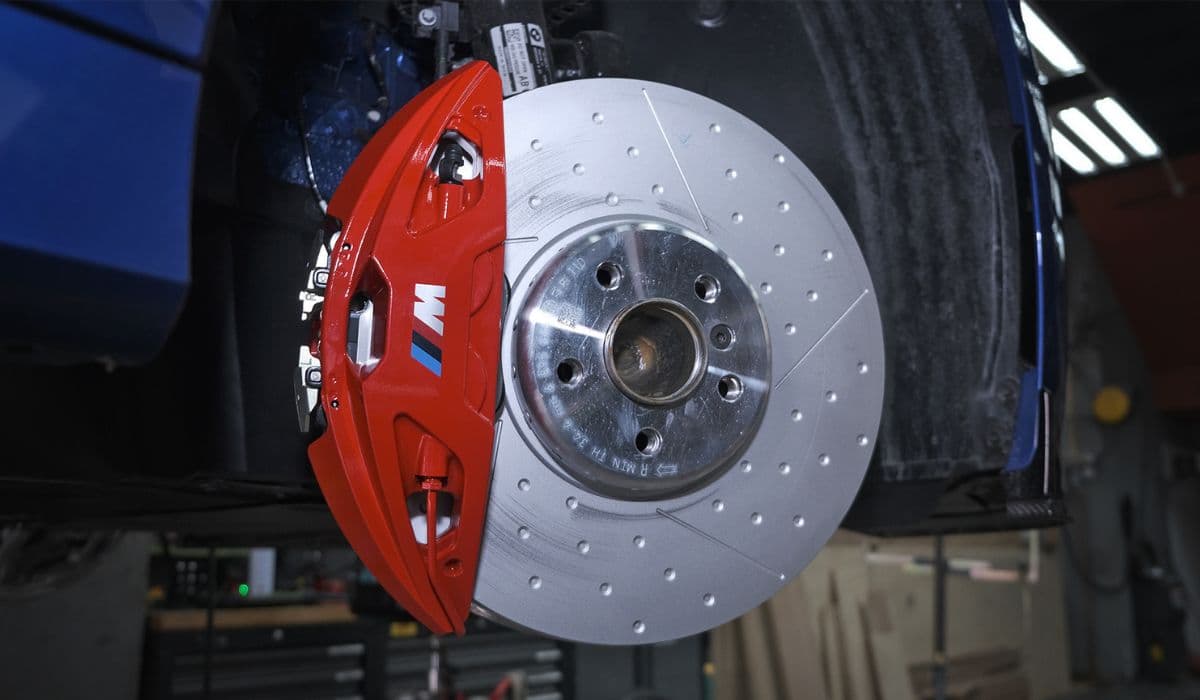
BMW's high-performance models, such as those in the M lineup, are engineered for exhilarating driving experiences, delivering sharp handling, rapid acceleration, and precise control. However, this focus on performance often comes with a trade-off: accelerated brake wear. Many owners report needing to replace brake pads around the 20,000-mile mark, which might seem surprisingly early compared to standard sedans or everyday vehicles.
This quicker wear isn't a defect but a deliberate design choice. Performance-oriented brakes prioritize maximum stopping power, heat dissipation, and responsive feel over longevity. The materials used in pads and rotors are formulated to grip aggressively, generating immense friction to halt a powerful, heavy vehicle from high speeds. In spirited driving scenarios—like twisting mountain roads or enthusiastic highway merges—this friction translates to faster material consumption.
Key Factors Contributing to Rapid Brake Wear
Several elements unique to BMW performance models accelerate brake component degradation:
Aggressive Pad Compounds: Factory pads in M cars often use semi-metallic or high-performance compounds that bite hard for superior initial response and fade resistance. These materials excel under stress but shed layers more quickly during repeated hard stops.
Vehicle Weight and Power: High-output engines and robust chassis add mass, requiring more braking force to slow down. Combined with rear-wheel-drive dynamics, this puts extra demand on the system, especially during dynamic cornering where stability control subtly applies brakes to maintain traction.
Driving Style Influence: Enthusiastic owners tend to exploit the car's capabilities, involving late braking into corners or frequent downshifts. Even moderate trail braking—a technique loved by performance drivers—multiplies wear.
Electronic Systems Integration: Modern BMWs incorporate advanced stability and traction control that can engage brakes individually for better control. In aggressive modes or on slippery surfaces, this intervention increases pad usage without the driver noticing.
Rear Bias in Some Models: Certain platforms show rear pads wearing faster due to electronic brake distribution optimizing for handling balance or regenerative blending in hybrids.
Owners on forums frequently share experiences of rear pads lasting only 15,000-25,000 miles in mixed driving, while fronts hold up slightly longer under normal conditions.
Signs Your BMW Brakes Need Attention
Monitoring brake health prevents costly damage and maintains safety. Watch for these indicators:
Dashboard warnings illuminating the brake service indicator.
High-pitched squealing during light braking (from built-in wear sensors).
Vibrations or pulsations through the pedal, suggesting uneven rotor surfaces.
Longer stopping distances or a spongy pedal feel.
Visible dust buildup on wheels, though performance pads often produce more anyway.
Regular inspections during routine service catch issues early, as visual checks reveal pad thickness and rotor condition accurately.
Strategies to Extend Brake Life in Performance BMWs
While quick wear is inherent, smart habits can add thousands of miles between replacements:
Smooth Braking Techniques:
Anticipate stops and coast when possible.
Use engine braking in manual or paddle-shift modes to reduce pad reliance.
Avoid riding the brake pedal lightly, which causes constant low-level friction.
Driving Environment Awareness:
Highway cruising preserves pads far better than stop-and-go traffic.
In hilly areas, downshift strategically to let the engine assist deceleration.
Maintenance Best Practices:
Flush brake fluid regularly to prevent moisture buildup and corrosion.
Clean wheels and calipers periodically to remove debris that accelerates wear.
Bed in new pads properly with gradual heat cycles for even deposition.
Aftermarket Options:
Consider ceramic-based pads for reduced dust and potentially longer life in daily driving, though they may sacrifice some ultimate bite.
Upgraded rotors with better heat management help in track-oriented use.
Many owners find that adopting a more measured approach in daily commutes extends intervals significantly, reserving full performance for open roads.
The Performance Trade-Off: Why It Matters
Rapid brake wear underscores the essence of BMW's M philosophy—uncompromising dynamics over mundane durability. These cars reward skilled inputs with unmatched feedback, but that demands components capable of handling extreme stresses. Accepting shorter service intervals as part of ownership ensures the thrilling character remains intact.
By understanding these dynamics, drivers stay ahead of maintenance needs, preserving both safety and the pure joy of piloting a precision machine.
More from Bmw
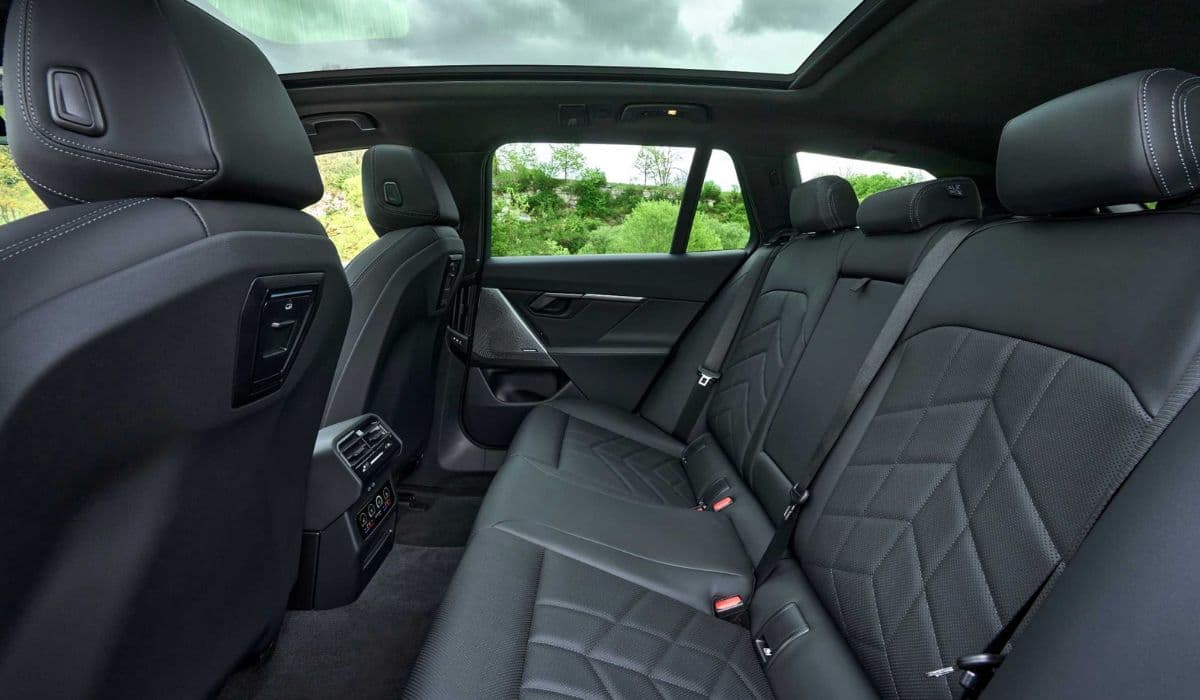
BMW 5 Series tight rear space and control distractions
21.12.2025 03:37
BMW OTA software updates: Fixes bugs or causes new ones?
21.12.2025 03:18
BMW X1 maintenance costs: Scary or manageable?
20.12.2025 19:33
Air suspension luxury vs frequent compressor failures BMW
20.12.2025 19:29
BMW 3 Series hybrid: Smooth but battery integration quirks
20.12.2025 19:25