
BMW Frame rust and subframe cracks in older models lingering
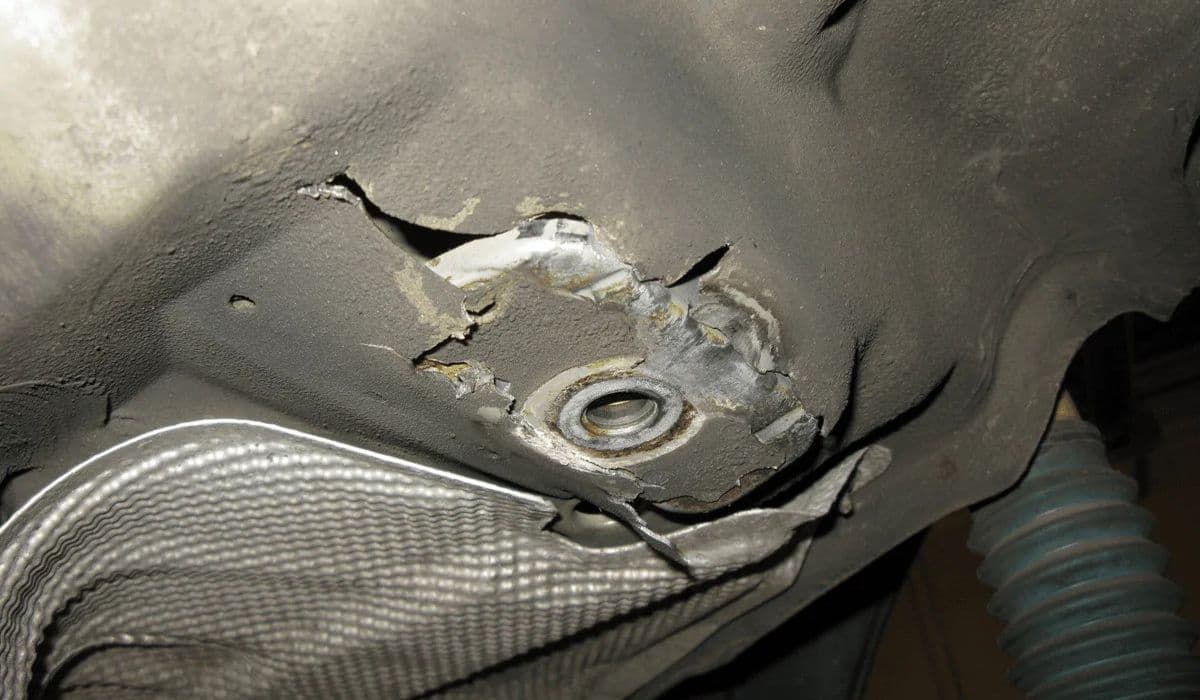
BMW's reputation for engineering excellence and driving dynamics is well-earned, yet certain older models continue to face persistent challenges with frame rust and subframe cracks. These issues primarily affect the rear chassis structure, where the subframe mounts to the unibody. Over time, stress from torque, suspension loads, and environmental exposure can lead to fatigue in the sheet metal, resulting in cracks that compromise structural integrity.
Enthusiasts and owners alike remain vigilant about these problems, as they can develop gradually and often go unnoticed until significant damage occurs. Understanding the root causes, symptoms, and proactive measures helps preserve these classic vehicles for years of enjoyable driving.
Understanding the Root Causes of Subframe Cracks
The rear subframe, also known as the rear axle carrier, supports the differential, suspension arms, and drivetrain components. In many older BMW models, particularly those with unibody construction, the mounting points attach via spot welds to a panel called the Rear Axle Carrier Panel (RACP).
This design, while lightweight and efficient for handling, proves vulnerable under repeated stress.
Torsional forces from acceleration and braking twist the chassis, especially at the mounting points.
Suspension impacts from road imperfections add cyclic loading, fatiguing the thin sheet metal over time.
Worn rubber bushings exacerbate the issue by allowing excessive movement, amplifying flex in the mounts.
Early signs often appear as hairline fractures around the four main mounting points. If ignored, these can propagate, leading to larger tears or even complete separation in extreme cases. The problem stems from inadequate reinforcement in the original design, where spot welds and sheet metal thickness fail to fully distribute loads.
The Role of Frame Rust in Compounding Structural Issues
Rust plays a significant aggravating factor in these lingering problems. Exposure to moisture, road salt, and humidity accelerates corrosion on underbody components, including the subframe itself and surrounding chassis areas.
Surface rust on the subframe appears commonly in vehicles from regions with harsh winters or coastal environments, where salt and water trap in crevices.
Corrosion weakens welds and sheet metal, making cracks more likely under normal driving stresses.
Dirt and undercoating can hide developing rust, allowing it to eat into structural areas undetected.
Once rust compromises the protective layers, it spreads quickly in boxed sections or seams.
In older models, the combination of rust and mechanical fatigue creates a vicious cycle. Weakened metal from corrosion fatigues faster, and cracks provide entry points for more moisture, hastening deterioration. Owners in drier climates may see slower progression, but no vehicle proves entirely immune if maintenance lags.
Common Symptoms and Early Detection Tips
Detecting these issues early can prevent costly repairs and maintain safety. Many owners report subtle clues before major failures become evident.
Listen for unusual noises during low-speed maneuvers or when shifting weight:
Clunking or creaking from the rear during acceleration or deceleration.
Clicking sounds over bumps, indicating movement at the mounts.
Changes in handling, such as rear-end instability or uneven tire wear.
Visual inspection offers the best proactive approach.
Raise the vehicle safely and examine the rear floorpan and subframe mounts for visible cracks or rust bubbling.
Clean away dirt and undercoating around mounting points to reveal hidden hairline fractures.
Check trunk floor from inside for signs of deformation or rust-through in severe cases.
Regular underbody washes, especially after winter driving, help mitigate rust buildup and allow better visibility during inspections.
Preventive Measures and Reinforcement Strategies
Many BMW enthusiasts address these vulnerabilities through targeted reinforcements, turning potential weaknesses into strengths.
Aftermarket kits often include steel plates welded over the mounting points to distribute loads more evenly.
These plates thicken the effective sheet metal, reducing flex and preventing crack initiation.
Additional bracing ties the subframe mounts to stronger chassis sections, enhancing overall rigidity.
Upgrading to stiffer bushings minimizes movement that contributes to fatigue.
For rust prevention:
Apply protective coatings or cavity waxes to underbody areas after thorough cleaning.
Wire brush surface rust and treat with inhibitors before resealing.
Consider professional undercoating refresh for long-term protection in challenging environments.
Combining reinforcement with rust mitigation provides a comprehensive defense, allowing owners to enjoy spirited driving without constant worry.
Why These Issues Persist in Enthusiast Communities
Despite advancements in later BMW generations, where subframe designs incorporate better mounting and materials, older models remain popular among drivers who value their analog feel and performance potential.
The lingering nature of frame rust and subframe cracks keeps forums and workshops busy with discussions and repairs.
Owners often share experiences of discovering issues during routine maintenance, like bushing replacements, when the subframe drops for access.
This shared knowledge fosters a proactive culture, with many opting for reinforcements as preventive maintenance rather than waiting for failure.
Ultimately, these challenges highlight the importance of vigilant ownership. With proper attention, affected BMWs continue delivering the ultimate driving experience that made them legends.
More from Bmw

BMW i7 luxurious but multiple EV recalls
21.12.2025 03:52
BMW Brake wear quick: 20K miles common in performance models
21.12.2025 03:40
BMW 5 Series tight rear space and control distractions
21.12.2025 03:37
BMW OTA software updates: Fixes bugs or causes new ones?
21.12.2025 03:18
BMW Ownership: Precision driving outweighs repair risks?
21.12.2025 00:58