BMW i7 luxurious but multiple EV recalls
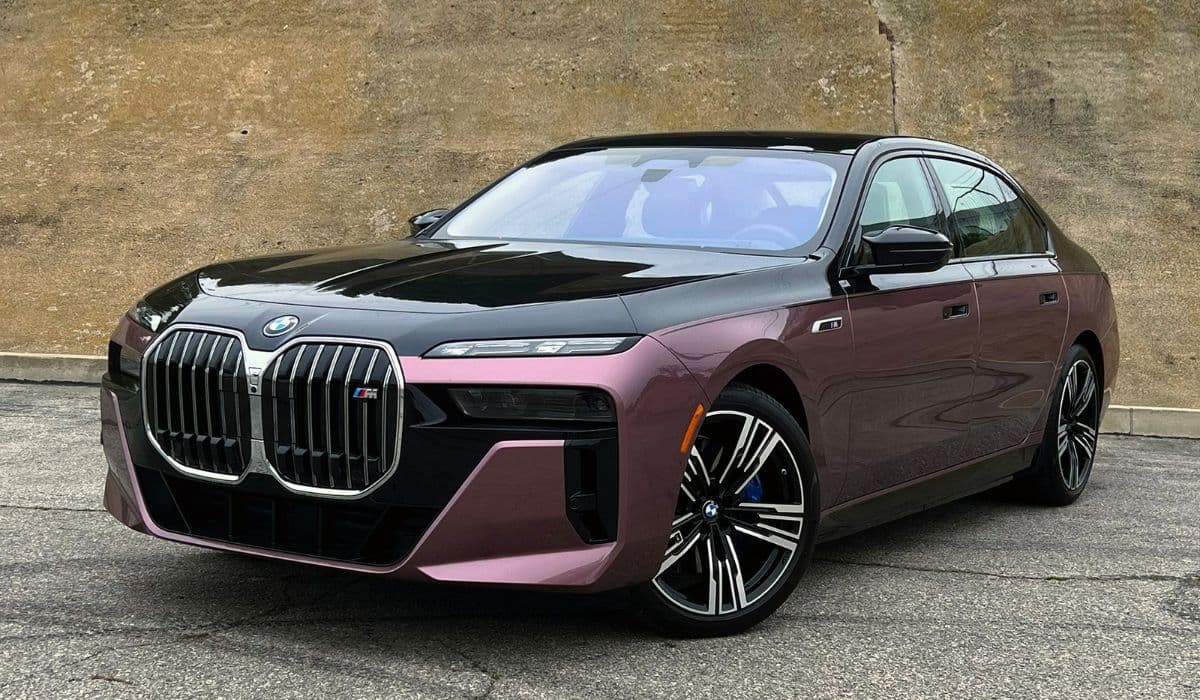
The BMW i7 stands as one of the most ambitious electric flagships ever built – a rolling statement of opulence that attempts to marry silent electric propulsion with the grandeur traditionally reserved for the 7 Series. Yet beneath the hand-crafted interiors and theater-like ambience lies a troubling reality: the i7 has been hit by an unusually high number of safety recalls, raising questions about the maturity of BMW’s latest EV technology in its most expensive and visible model.
Unmatched Luxury in an Electric Package
From the moment the coach doors swing open, the i7 makes no apologies for excess. Passengers are enveloped in Merino leather, open-pore wood, and cashmere blends that feel more private-jet than automobile. The Executive Lounge rear seating turns the back seat into a first-class suite, complete with a 31-inch 8K theater screen that drops from the ceiling, reclining seats with massage functions, and touch-command doors that close at the press of a button.
The cabin ambience is orchestrated by a crystal-inspired interface, illuminated door panels, and a panoramic Sky Lounge roof with embedded LEDs that mimic a starry night. Even the sound system – a Bowers & Wilkins Diamond surround setup – has been tuned specifically for the silent electric powertrain, allowing every note to float in unnatural clarity.
Performance That Commands Respect
Twin electric motors deliver effortless thrust, rocketing the two-and-a-half-ton sedan forward with the kind of immediacy only EVs can provide. The air suspension reads the road twice as fast as conventional systems and uses GPS data to pre-adjust for upcoming bends and surface changes. The result is a ride that somehow manages to feel both regal and athletic – isolated yet connected, serene yet rapid.
Regenerative braking can be dialed from gentle coasting to aggressive one-pedal driving, and the i7 even simulates engine sound through the speakers for those who miss the drama of combustion. The overall experience is one of overwhelming competence wrapped in extravagance.
The Recall Reality Check
Despite the brilliance on the surface, the i7 has suffered a string of significant recalls that expose the growing pains of pushing cutting-edge EV technology into a complex luxury platform:
High-voltage battery modules from certain production batches were found prone to internal short circuits, creating a potential fire risk even when parked
Software errors in the battery management system could cause sudden loss of power while driving
The integrated brake system (brake-by-wire) experienced glitches that delayed brake response in rare situations
Front passenger airbag inflators were discovered with manufacturing defects that could cause improper deployment
Display and control units occasionally froze, temporarily disabling critical driver information and assistance systems
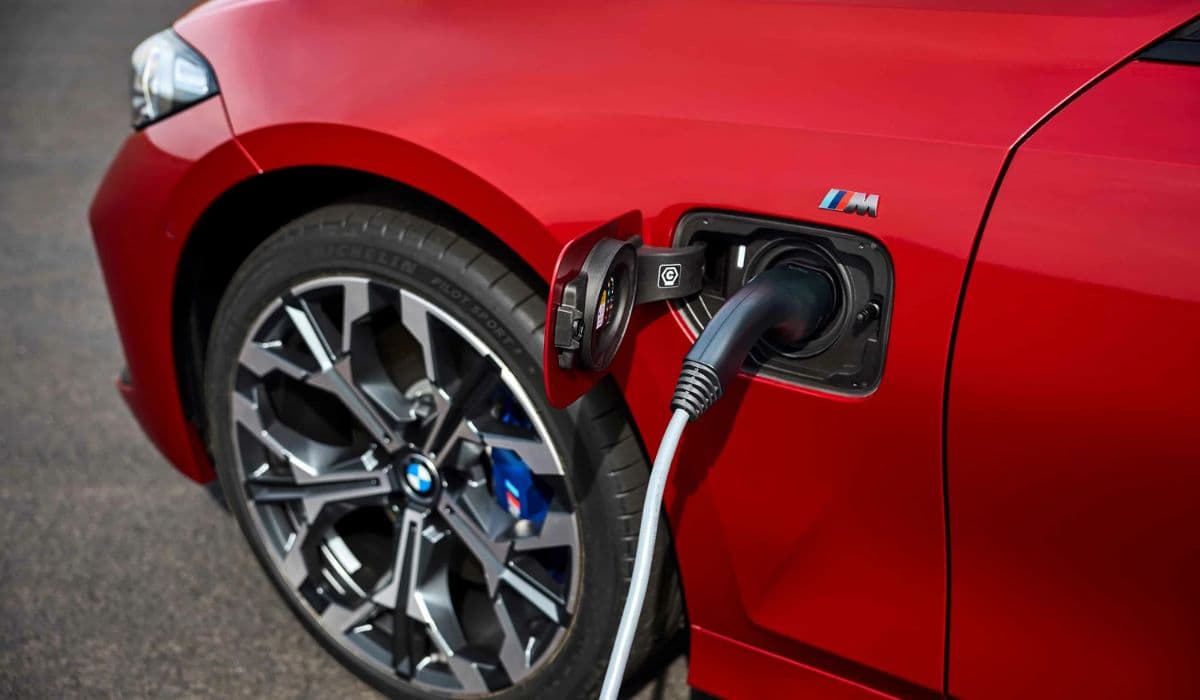
Charging control module faults prevented proper DC fast charging and, in some cases, caused overcharging risks
These issues affected tens of thousands of vehicles worldwide and required everything from simple over-the-air updates to complete battery pack replacements.
How BMW Has Responded
To its credit, BMW has been proactive in most campaigns, issuing stop-drive advisories when necessary and covering all repairs at no cost to owners. Dealer networks were mobilized quickly, and many software-related problems were resolved remotely. The company has also quietly upgraded assembly processes and supplier quality controls for ongoing production.
Still, for a vehicle positioned as the ultimate expression of engineering excellence, the frequency and severity of these recalls have dented perceptions. Some owners report spending weeks without their cars while waiting for specialized battery technicians or replacement modules.
The Bigger Picture for Luxury EVs
The i7’s challenges highlight a broader industry truth: as traditional luxury brands race toward electrification, the complexity of integrating massive battery packs, high-voltage systems, and advanced software into existing platforms can expose vulnerabilities that combustion models never faced. When every cell in a battery must be perfect and every line of code flawless, the margin for error shrinks dramatically.
Competitors have faced similar hurdles – yet few have concentrated so many issues into a single halo model meant to define the brand’s electric future.
Final Thoughts on the i7 Ownership Proposition
For those who can look past the recall history, the BMW i7 remains one of the most extraordinary ways to travel in complete silence and splendor. It delivers a kind of mobile luxury that simply didn’t exist a few years ago. But potential buyers must weigh whether the cutting-edge allure is worth the real-world risks that come with being an early adopter of such advanced technology.
The i7 is breathtaking proof that electric cars can be every bit as indulgent as their gasoline predecessors – perhaps even more so. It is also a reminder that true perfection in engineering sometimes requires a few difficult lessons along the way.
More from Bmw
BMW Brake wear quick: 20K miles common in performance models
21.12.2025 03:40
BMW 5 Series tight rear space and control distractions
21.12.2025 03:37
BMW OTA software updates: Fixes bugs or causes new ones?
21.12.2025 03:18
BMW X1 maintenance costs: Scary or manageable?
20.12.2025 19:33
Air suspension luxury vs frequent compressor failures BMW
20.12.2025 19:29