BMW Ownership: Precision driving outweighs repair risks?
BMW has long been synonymous with the "Ultimate Driving Machine," a slogan that captures the essence of what sets these vehicles apart in the automotive world. At the heart of BMW ownership is an unparalleled focus on driver engagement, where every component is engineered to deliver responsive handling, sharp steering feedback, and a balanced chassis that makes even mundane commutes feel exhilarating.
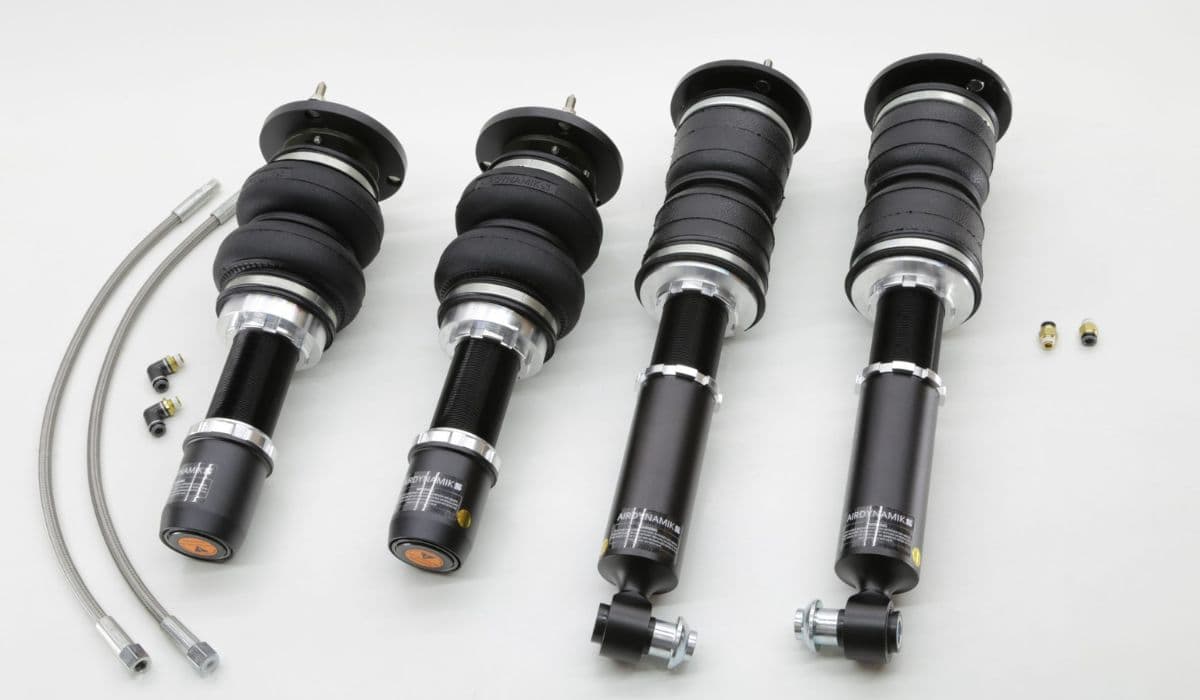
The precision comes from decades of motorsport-inspired design. Rear-wheel-drive architecture in many models ensures neutral balance, while advanced suspensions—like adaptive dampers—allow the car to adapt seamlessly to road conditions. Whether navigating tight corners on a winding back road or merging onto a highway, the steering communicates road nuances with clarity, building confidence and connection between driver and machine.
This level of dynamism isn't just marketing hype; it's a deliberate choice that prioritizes agility over isolation. Where some luxury brands prioritize plush comfort, BMW strikes a harmony that rewards attentive driving without sacrificing daily usability.
What Makes Driving a BMW So Rewarding
Owners often describe the experience as transformative, rediscovering joy in driving that other vehicles can't match.
Exceptional steering precision that allows millimeter-accurate placement on the road.
Balanced weight distribution, often near 50:50, for predictable handling in all scenarios.
Powerful yet refined engines that deliver linear acceleration and thrilling responsiveness.
Chassis tuning that absorbs imperfections while maintaining composure during enthusiastic drives.
Optional systems like variable sport steering and active differentials that enhance traction and cornering poise.
These elements combine to create a car that feels alive, encouraging drivers to seek out engaging routes. For enthusiasts, this emotional connection justifies the brand's premium positioning, turning ownership into a passion rather than mere transportation.
Addressing the Repair Concerns Head-On
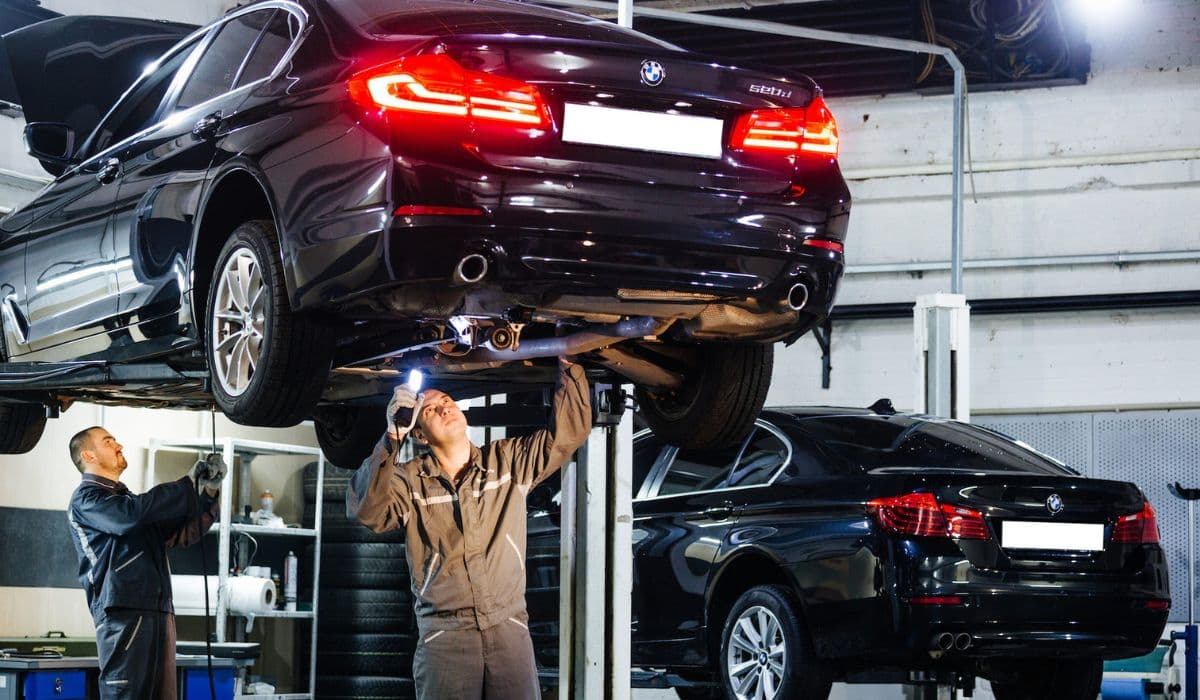
No discussion of BMW ownership is complete without acknowledging the elephant in the room: potential repair challenges. As high-performance machines with complex engineering, BMWs demand attentive care.
Common issues reported by owners include:
Cooling system components, such as water pumps, that work harder due to powerful engines.
Oil leaks from gaskets in older or high-mileage examples.
Electronic modules that can occasionally falter in sophisticated infotainment or driver-aid systems.
Suspension bushings wearing faster in sport-tuned setups.
Turbocharged engines requiring vigilant monitoring of oil levels and quality.
These aren't universal failures but can arise if maintenance is deferred. The intricate design—packed engine bays and advanced materials—means labor for certain repairs can be involved. However, many modern BMWs benefit from robust build quality and complimentary maintenance programs that cover initial years, mitigating early concerns.
Strategies for Mitigating Ownership Risks
Smart ownership turns potential pitfalls into manageable aspects.
Adhere strictly to service intervals using genuine parts for longevity.
Choose certified pre-owned models with extended coverage for added peace of mind.
Seek independent specialists familiar with BMW specifics to avoid inflated dealer rates.
Monitor common wear items proactively, addressing small issues before they escalate.
Invest in diagnostic tools or join owner communities for early warning signs and DIY guidance.
With diligent care, many BMWs deliver hundreds of thousands of miles reliably, rewarding owners with enduring performance.
The Emotional and Practical Rewards of Ownership
Beyond mechanics, BMW ownership fosters a sense of pride and community. The brand's heritage in performance evokes status and sophistication, while forums and events connect like-minded enthusiasts sharing tips and experiences.
Practically, strong resale values in certain models help offset long-term costs, and advanced safety features provide reassurance. The blend of luxury interiors—premium materials, ergonomic design, and cutting-edge tech—ensures comfort matches the thrill.
For those who view driving as an art form, the highs far eclipse occasional hurdles. The grin induced by a perfectly executed apex or effortless highway cruise lingers long after parking.
Weighing the Balance: Is It Worth It?
Ultimately, BMW ownership boils down to priorities. If sterile efficiency or minimal upkeep tops the list, alternatives abound. But for drivers craving involvement, feedback, and exhilaration—where the car becomes an extension of intent—the precision engineering delivers unmatched fulfillment.
The repair risks exist, but they're often exaggerated stereotypes stemming from neglected examples. Informed, proactive owners find the dynamic rewards profoundly outweigh any drawbacks, making every journey a testament to why BMW endures as a driver's brand.
More from Bmw
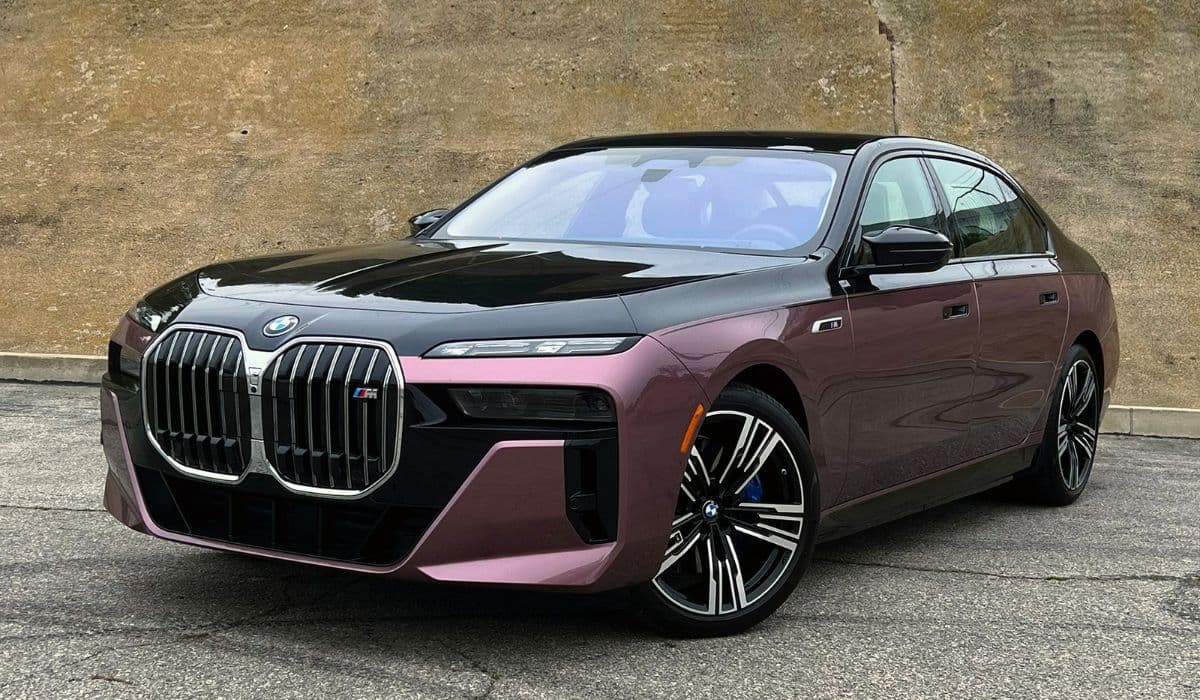
BMW i7 luxurious but multiple EV recalls
21.12.2025 03:52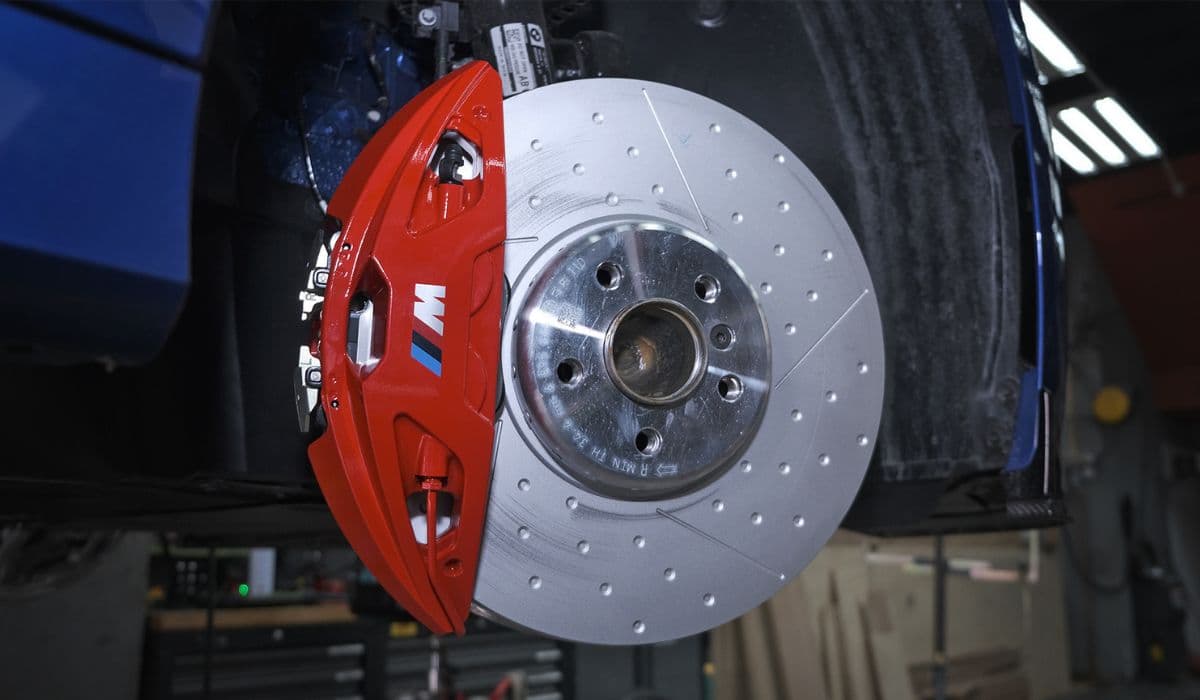
BMW Brake wear quick: 20K miles common in performance models
21.12.2025 03:40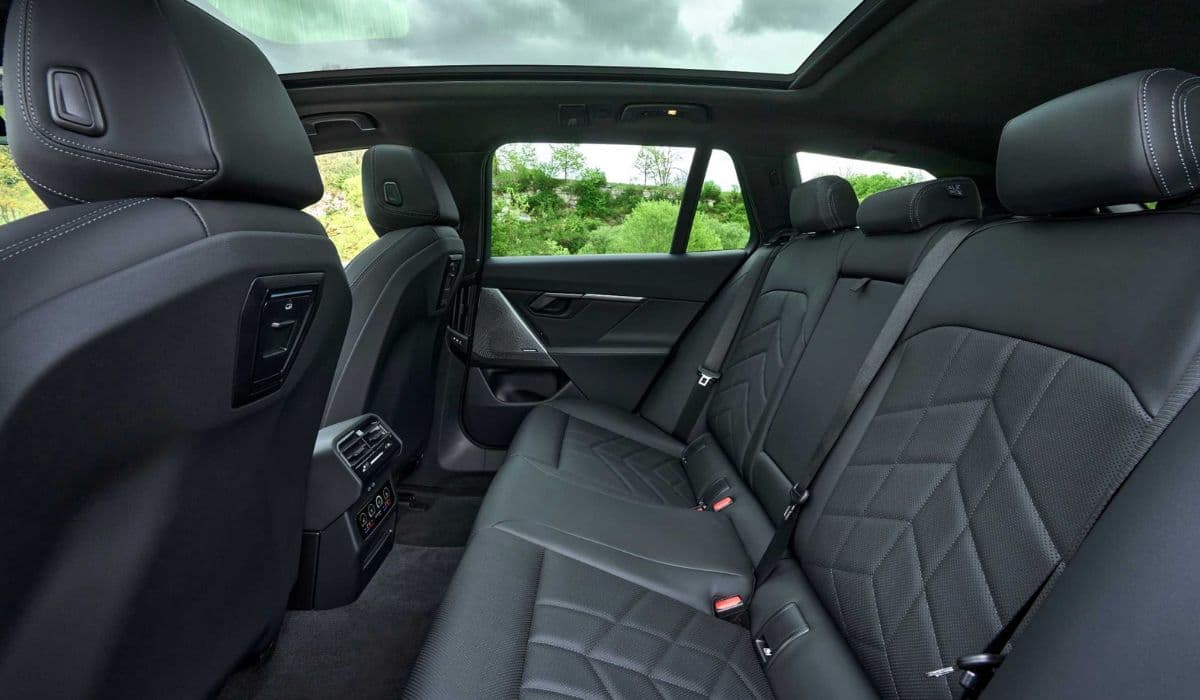
BMW 5 Series tight rear space and control distractions
21.12.2025 03:37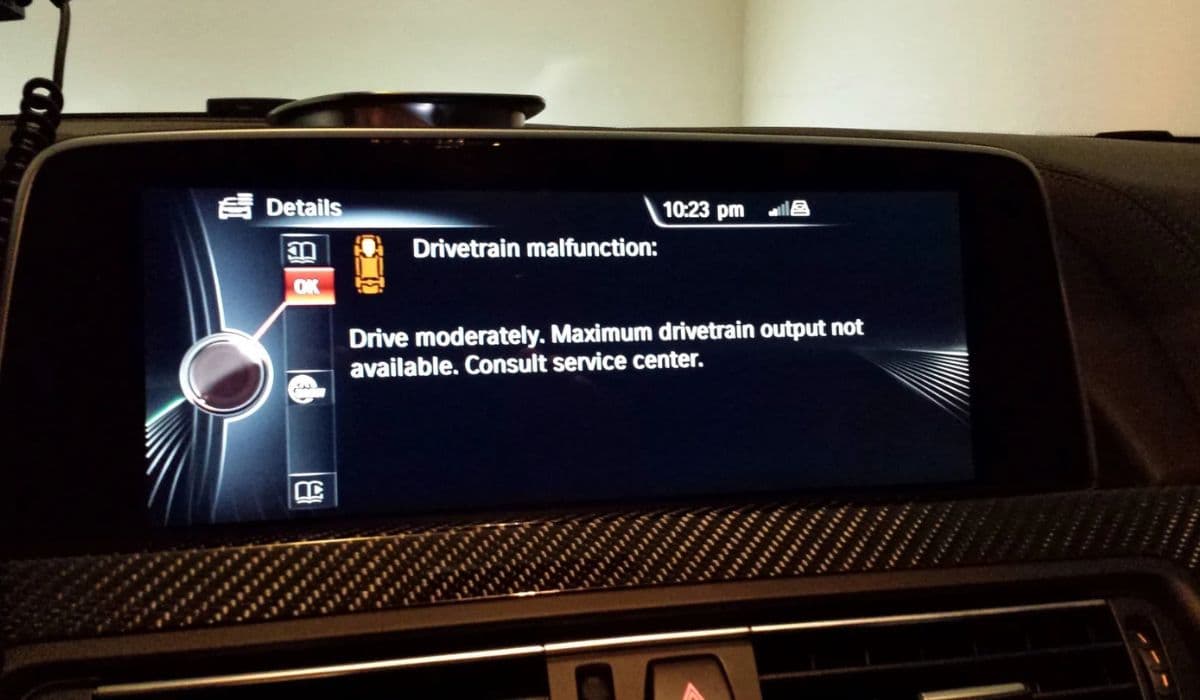
BMW OTA software updates: Fixes bugs or causes new ones?
21.12.2025 03:18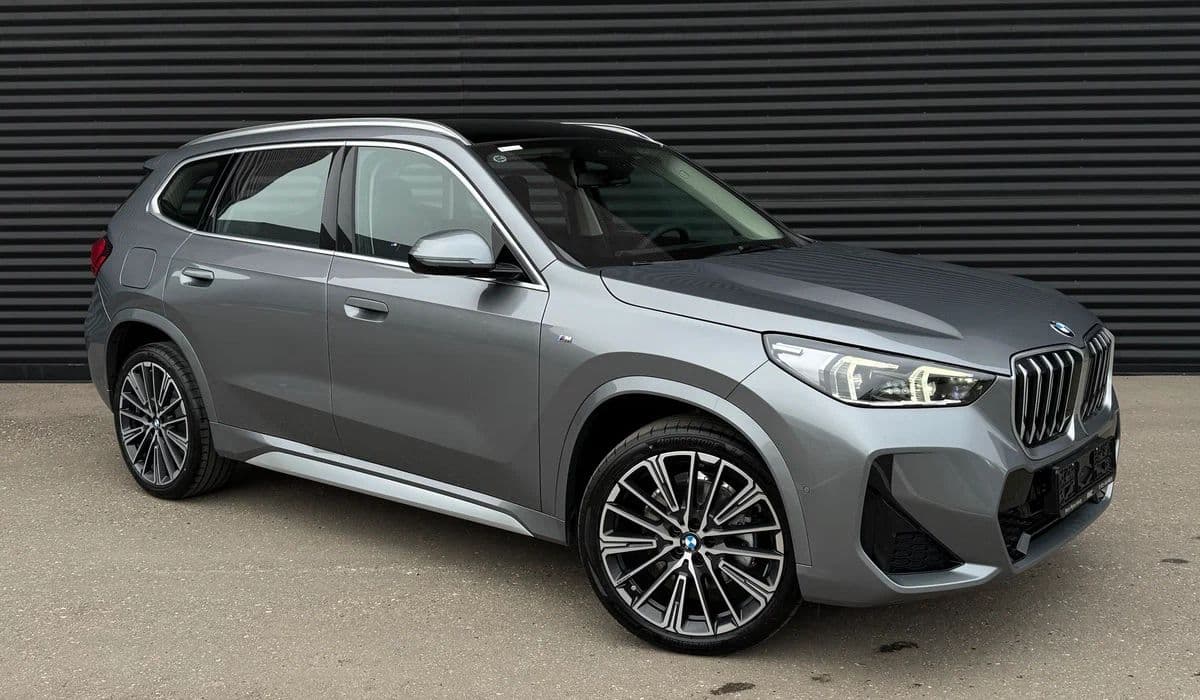
BMW X1 maintenance costs: Scary or manageable?
20.12.2025 19:33