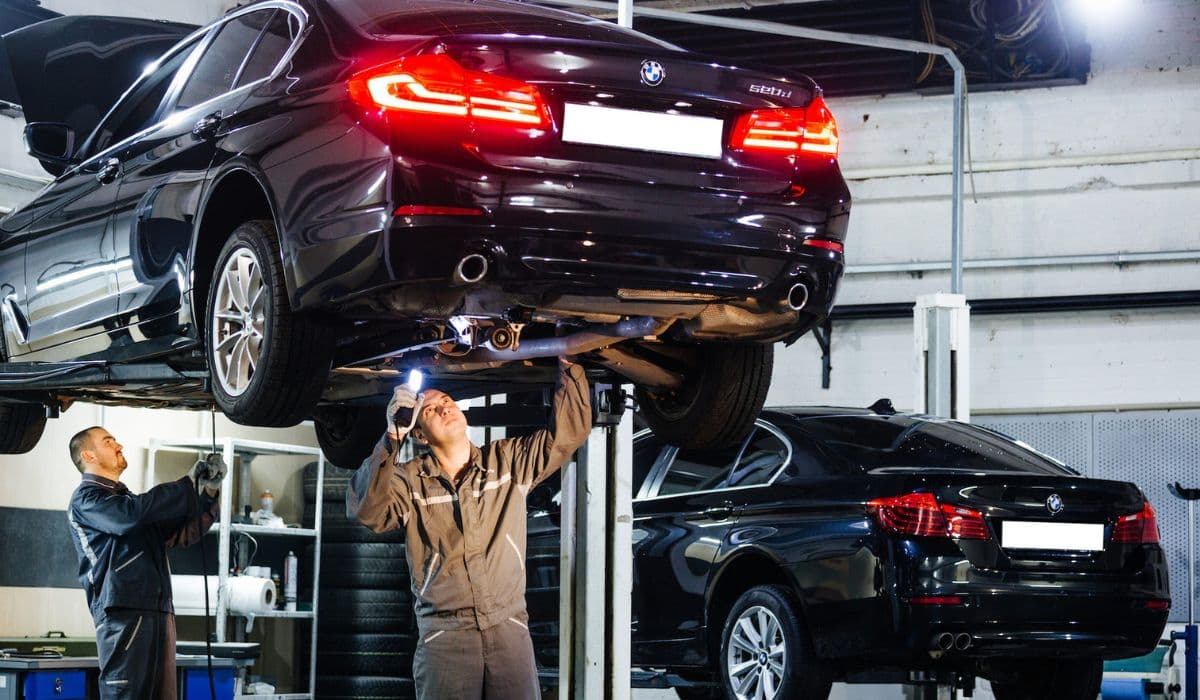
BMW Overall reliability: Better than reputation suggests
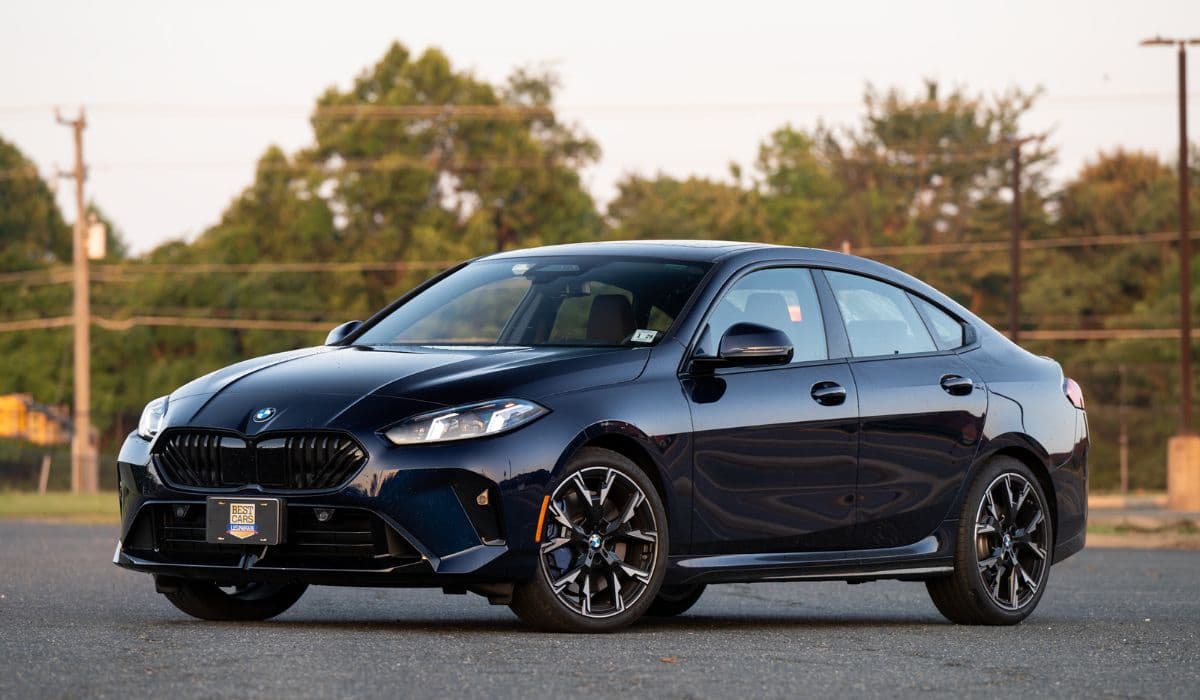
BMW has long been celebrated for delivering the ultimate driving experience, blending sharp handling, powerful engines, and luxurious interiors. Yet, a persistent narrative labels these vehicles as unreliable, prone to frequent breakdowns and excessive maintenance demands. This perception often stems from older models and anecdotal stories that overshadow the significant progress the brand has made in recent years. In reality, data from independent surveys reveals that modern BMWs offer dependability that frequently exceeds expectations, particularly when compared to rivals in the luxury segment.
Dispelling Common Reliability Myths
The stereotype of BMWs as "money pits" largely originates from issues in earlier generations, where complex electronics and high-performance components sometimes led to costly repairs. Tales of leaking oil seals, failing water pumps, or electronic gremlins have fueled online forums and word-of-mouth warnings.
However, these stories often highlight neglected vehicles or outlier experiences rather than the norm.
Modern engineering refinements have addressed many past weaknesses, such as improved cooling systems and more robust electrical architectures.
Engines like the widely praised inline-six units demonstrate exceptional longevity when properly cared for.
Owner bias plays a role: dissatisfied drivers are more vocal online, while those enjoying trouble-free ownership rarely post about it.
Independent evaluations paint a clearer picture, showing that BMW's reliability has steadily improved, challenging the outdated notion that these cars are inherently fragile.
What the Data Reveals About BMW Dependability
Recent studies from respected organizations like J.D. Power and Consumer Reports provide objective insights based on thousands of owner reports. In J.D. Power's Vehicle Dependability Study, which tracks problems after three years of ownership, BMW consistently performs strongly among premium brands.
BMW often reports fewer issues per 100 vehicles than competitors like Mercedes-Benz and Audi.
Specific models, such as certain SUVs and sedans, earn segment-leading scores for minimal defects in powertrains and infotainment systems.
Consumer Reports echoes this, placing BMW favorably in predicted reliability rankings, with many models achieving above-average marks. These surveys consider real-world factors like mechanical failures, electronic glitches, and overall durability.
Standout performers include compact crossovers and sports sedans that rival mainstream brands in day-to-day dependability.
Advancements in modular platforms and turbocharged engines contribute to fewer severe issues compared to older designs.
While no vehicle is immune to problems, the data indicates that well-maintained BMWs deliver reliable service far beyond the warranty period.
How BMW Compares to Rivals in the Luxury Segment
In head-to-head comparisons with Audi and Mercedes-Benz, BMW frequently emerges as the leader in long-term dependability. J.D. Power data highlights a notable gap, with BMW owners reporting significantly fewer problems than those of its German counterparts.
Audi models sometimes struggle with complex all-wheel-drive systems and advanced tech integrations.
Mercedes-Benz vehicles can face higher rates of issues in sophisticated suspensions and electronic features.
BMW's focus on driver-centric engineering translates to robust mechanicals that hold up well over time.
Popular lineups like mid-size SUVs and executive sedans score highly for balanced performance without sacrificing durability.
Hybrid and electric variants also show promising results, benefiting from shared technology refinements.
This positions BMW as a strong contender for buyers seeking luxury without compromising on everyday reliability.
Key Factors Behind BMW's Improved Reliability
Several elements contribute to the brand's enhanced dependability in contemporary models. Refined powertrains, such as efficient turbocharged engines, have matured through multiple iterations, ironing out early flaws.
Streamlined electronics reduce points of failure while maintaining cutting-edge features.
Rigorous testing protocols ensure components withstand diverse driving conditions.
Warranty coverage and service networks provide reassurance, addressing potential concerns promptly.
Owners who adhere to recommended maintenance schedules often report exceptional longevity.
Routine checks on critical systems like cooling and timing chains prevent minor issues from escalating.
High-quality parts and diagnostic tools make servicing straightforward for qualified technicians.
These proactive measures allow many BMWs to accumulate high mileage with minimal interruptions.
Real Owner Experiences and Satisfaction Levels
Beyond statistics, feedback from actual drivers underscores BMW's reliability strengths. Surveys reveal high owner satisfaction, with many expressing willingness to repurchase the same model.
Enthusiasts praise the blend of engaging dynamics and dependable daily use.
Families appreciate spacious interiors and safety features that perform reliably over years.
Long-term owners frequently share stories of vehicles surpassing substantial mileage thresholds without major overhauls.
This loyalty reflects not just performance but confidence in the brand's build quality. While individual experiences vary, the overwhelming trend points to satisfaction that aligns with—or exceeds—the luxury competition.
BMW's reputation for unreliability lingers from the past, but current evidence tells a different story. With strong showings in independent surveys, favorable comparisons to peers, and glowing owner feedback, today's BMWs prove far more dependable than stereotypes suggest. For those prioritizing exhilarating drives alongside practical ownership, the brand delivers a compelling package that rewards informed care and appreciation.
More from Bmw
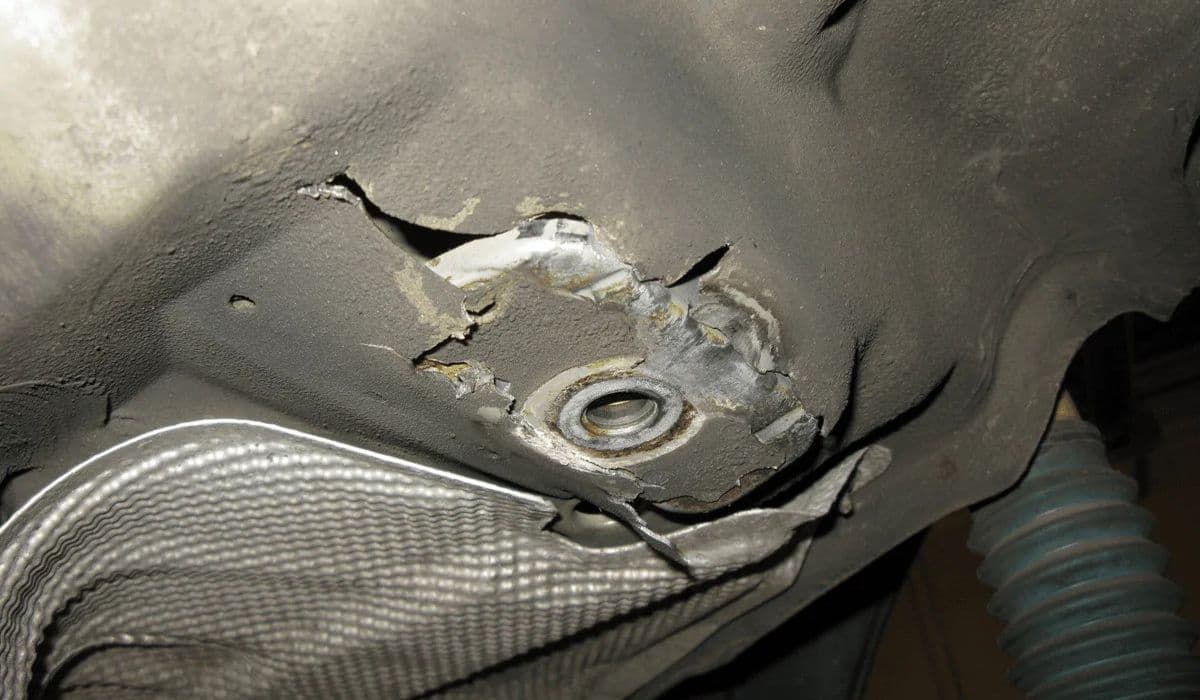
BMW Frame rust and subframe cracks in older models lingering
21.12.2025 04:02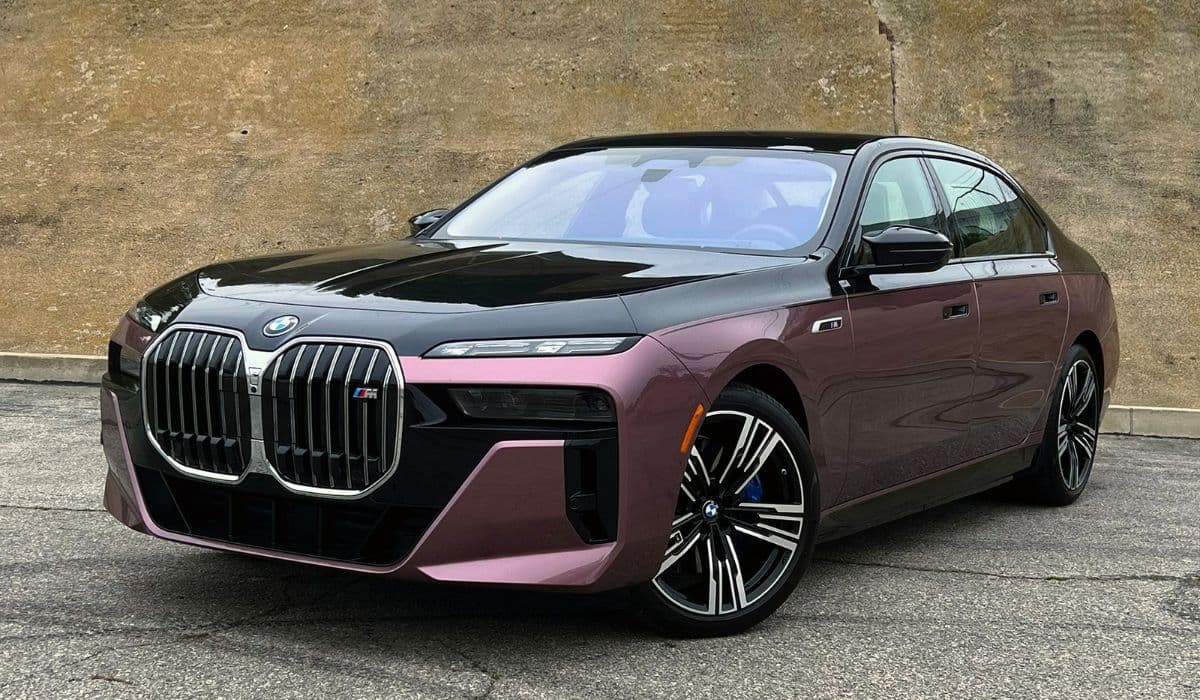
BMW i7 luxurious but multiple EV recalls
21.12.2025 03:52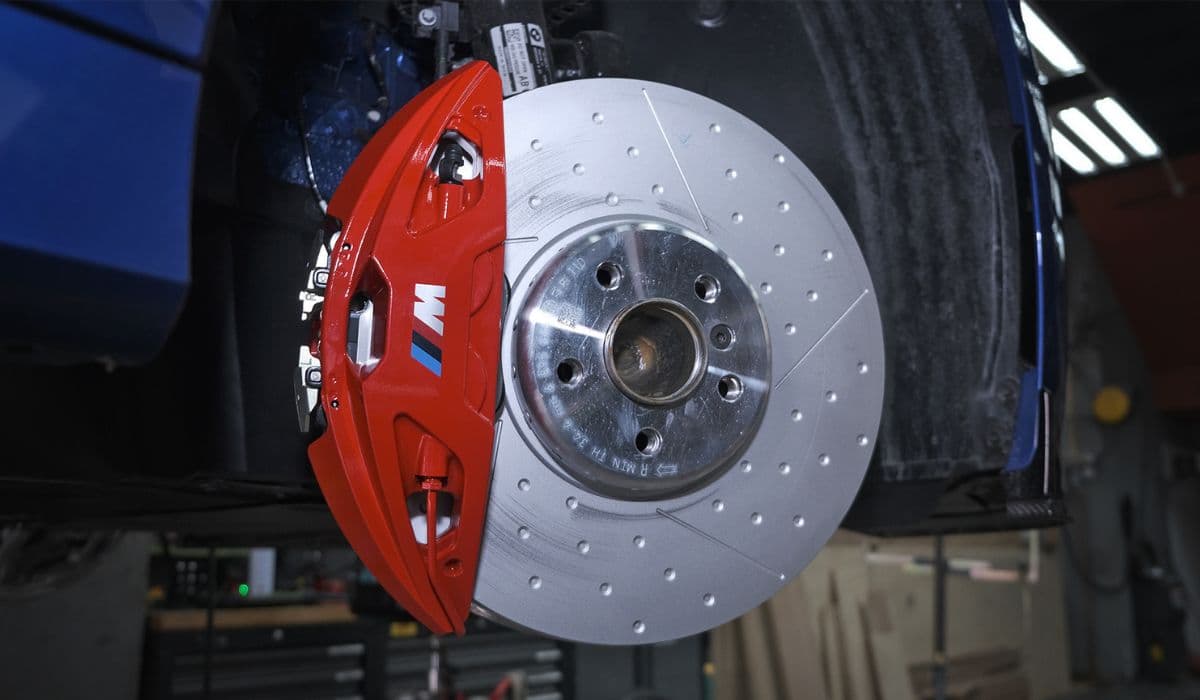
BMW Brake wear quick: 20K miles common in performance models
21.12.2025 03:40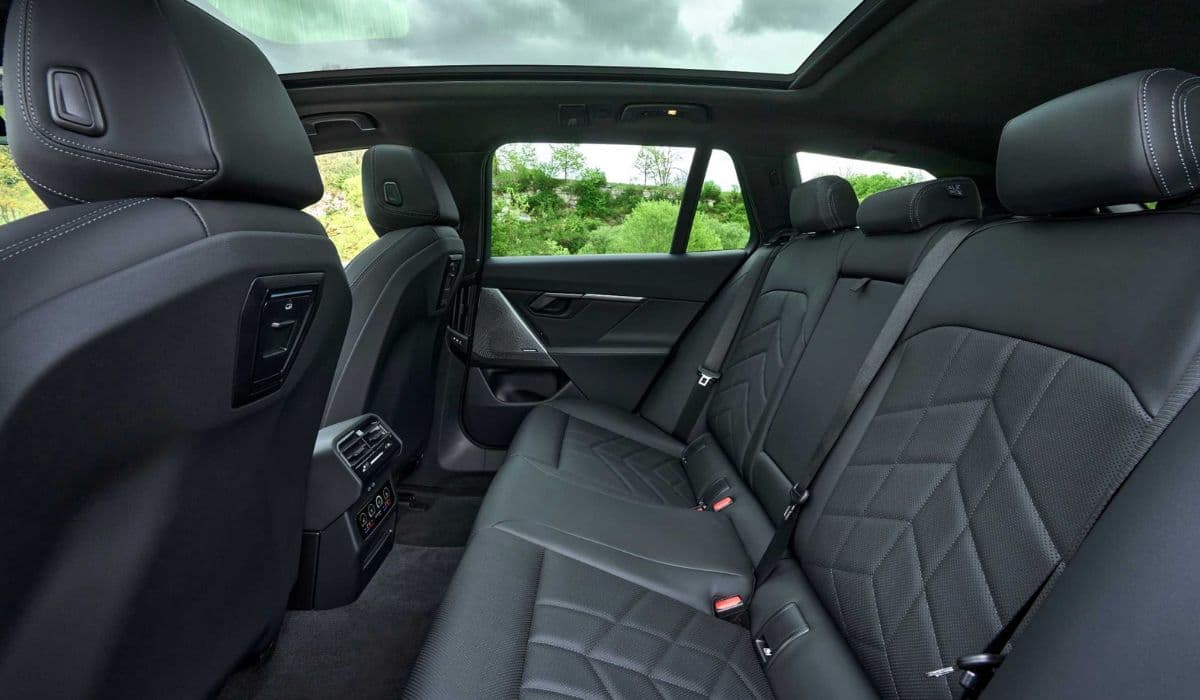
BMW 5 Series tight rear space and control distractions
21.12.2025 03:37
BMW OTA software updates: Fixes bugs or causes new ones?
21.12.2025 03:18